


Attachment theory begins with a simple, everyday moment: a baby cries, and the way you respond shapes how that child comes to see themselves and the world. What happens when a baby is left to cry, and what happens when a parent offers warmth instead, matters far more than most people realize.
This article looks at why leaving a baby to cry can weaken emotional security, how to comfort a baby who is crying and suffering, and the small daily gestures that build secure attachment over time. None of it requires perfection, only a reliably warm response most of the time.

Quick takeaways
- A baby left to cry may learn that affection is undeserved and emotions must be hidden.
- What matters most is your usual, most frequent response, not constant perfection.
- Consoling, naming pain, and holding close build a child's emotional security.
- A secure child eventually learns to self-soothe and to comfort others.
- If you feel overwhelmed, step away briefly to regain calm rather than risk shaking the baby.
- Secure attachment is built through repeated, warm everyday responses.
What leaving a baby to cry teaches
When a baby is left to cry without comfort, the lesson is not simply that crying does not work. Over time the child absorbs a set of quieter messages: that affection is not deserved, that the parent cannot be counted on for comfort, and that emotions must be pushed down. Attempts to seek reassurance may even be teased, dismissed, or met with a parent's anger.
This is why the everyday reaction matters so much. A warm, welcoming, empathetic response feeds a baby's sense of security, while repeated dismissal slowly erodes it. Parents who worry about spoiled children often fear that comforting teaches neediness, but security is what actually helps a child grow independent.
Why comfort builds emotional security
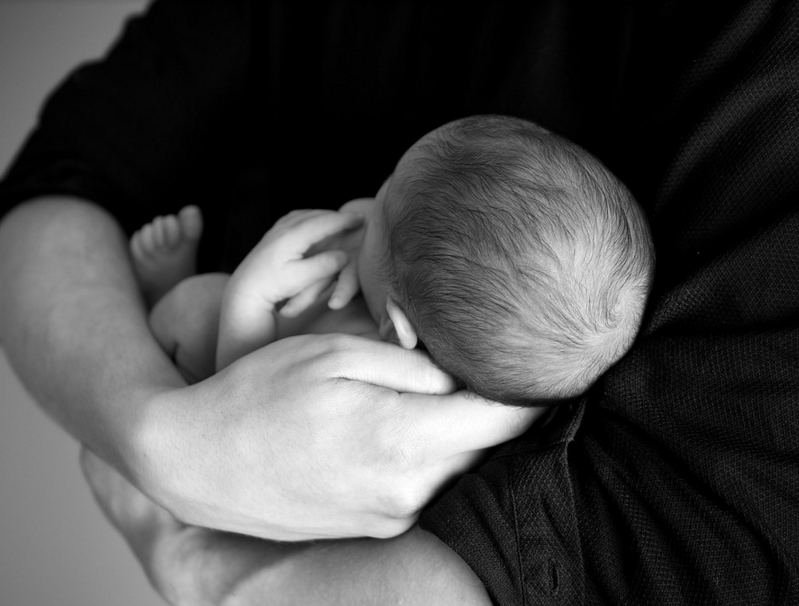
Consoling a baby, naming their pain, and holding them close tells the child something important: my parent loves me, wants to help me feel better, and I deserve love and attention. That is the foundation of secure attachment, and it is built through ordinary moments rather than grand gestures.
A child made secure by parental love soon becomes able to comfort themselves when they get hurt. They also begin to notice how to help others feel better, a first step toward empathy. If you are ever unsure how your own caregiving is landing, it can help to look at children's caregiver dynamics and how consistent comfort is offered across the day. Just as families worldwide prepare for Santa's visit with their own comforting traditions, everyday reassurance shapes how secure a child feels.
The Montessori reminder
Telling a hurting child "it's nothing" confuses them, because it denies the very impression they are bringing to you for confirmation. Acknowledging the pain does not amplify it; it gives the child a steady place to put it. Curious whether educational baby media supports this bond? Consistent, responsive comfort remains the strongest foundation.
| Parent's response | What the baby learns | Long-term effect |
|---|---|---|
| Warm, prompt comfort | I am loved and worth attention | Secure, confident child |
| Naming the pain | My feelings are real and seen | Better emotional awareness |
| Holding and soft speech | Someone is always by my side | Trust and inner steadiness |
| Dismissing ("it's nothing") | My impression is wrong | Confusion, self-doubt |
| Leaving baby to cry routinely | I cannot count on comfort | Refused emotions, insecurity |
| Stepping away when overwhelmed | Safety for both of us | Calm return, safer care |
How to comfort a crying baby
No parent can tune into a baby's needs every single moment, and that is not the goal. What counts is your usual, most frequent reaction, the pattern your baby learns to expect. From there, a few simple habits make comforting easier.
Try to stay as calm as you can, focus on the baby, and look into their eyes and face. Ask yourself how your baby feels and what they might be thinking, then hold them close, speak softly, and let them know you are there and always will be. Follow the baby's lead and stay attentive to their signals.
Responding in ways that show your baby they can count on you for comfort, love, and reassurance is a genuine gift: the confidence that someone is by their side. That gift makes a lasting difference, and it pairs naturally with the patience needed for milestones like potty training toys later on.
When tension rises, step away
There are moments when a parent's own stress runs high and the crying feels unbearable. In those moments it is far better to step out of the room and let the baby cry for a short while, just long enough to collect yourself, than to risk shaking the baby. This is not the same as leaving a baby to cry as a routine; it is a safety valve for an overwhelmed adult.
Regaining calm protects both of you. Once you feel steadier, you can return and offer the warm, attentive comfort your baby needs. Remember that children improve our lives, and thinking ahead about support, whether through happy couple teamwork or a trusted helper, makes those hard moments easier to handle.

Building secure attachment day by day
Secure attachment grows from repetition, not perfection. Each time you notice a signal and respond with warmth, you strengthen the child's trust that someone is there. Over months, that trust becomes the child's own inner steadiness.
Practical life offers plenty of chances to practice responsiveness, from choosing open ended toys that invite shared play to simply slowing down during daily routines. The goal is not to prevent every tear but to make sure your child never has to face them alone. Setting up a calm space can help, and these nursery adaptation tricks make that easier.
If you want to go deeper into the mechanisms behind attachment theory, reading a dedicated book on the subject is a worthwhile next step. Understanding the "why" makes the everyday "how" far easier to sustain.

My hands-on take
In my own experience, the hardest part of comforting a crying baby was not knowing what to do, but managing my own rising tension when nothing seemed to work. I learned that stepping to the doorway for a few slow breaths and then coming back calmer changed the whole interaction. The baby settled faster once I was steady.
I also stopped saying "it's nothing" when a small child got hurt. Naming the pain, even briefly, seemed to help them move on sooner rather than later. Those small shifts felt less like techniques and more like a habit of being present, and over time they became the most natural part of caregiving.
Frequently asked questions
Does comforting a crying baby spoil them?
No. Consoling a baby builds emotional security rather than neediness. A child who feels secure is better able to comfort themselves and others later.
What if I cannot respond to every cry?
That is normal and not a problem. What counts is your usual, most frequent reaction, the pattern your baby learns to expect over time.
Is it ever okay to let a baby cry?
If you feel overwhelmed, it is better to step away briefly to regain calm than to risk shaking the baby. This is a safety measure, not a routine habit.
How do I comfort a crying baby?
Stay calm, focus on the baby, look into their eyes, hold them close, and speak softly. Follow their signals and let them know you are there.
Product Reviews
 Best Toys for Dogs With High Prey Drive |
Best Outdoor Toys for 3-4 Year Olds |
Best Outdoor Toys for 6 Year Olds |
Best Harness for Poodle |
Best LEGO Sets for Adults |
Best Travel Toys for 4 Year Olds on Airplane |
Best Toy Stores in Washington DC |
Best Potty Training Toys |
Best Toys for Tripod Dogs |
Maillot equipe de france







