


Sex education for kids is rarely an easy conversation, yet a well-made book can open the door to a confident and honest dialogue. This title pairs a poetic, funny story for children with a pedagogical guide written for the adults reading alongside them.
The story follows a little girl at school and at home, where her mother grows uncomfortable with questions about her own body and about boys' bodies, and even with the word used to name it. The children in the book end up asking each other the things they dare not ask adults.

Part of the author's royalties goes to a family planning organization, which also designed the adult guide. It is a practical, gentle tool for parents who want to talk about bodies without freezing up.
Quick takeaways
- A two-part book: a story for children and a guide for adults.
- Names parental discomfort instead of shaming it.
- Teaches that no one may touch a child's body without consent.
- Explains that asking questions and exploring one's own body is normal.
- Dismantles everyday prejudices about boys and girls.
- Includes a repair scene where a parent apologizes and explains.
What makes this book different
Rather than a single dry explanation, the book offers two layers. The first is a story children can enjoy on its own, with recognizable scenes from school and family life. The second is a structured dossier that adults can use to prepare, revisit or extend the conversation.
The narrative shows a mother who is visibly ill at ease with her daughter's curiosity. That discomfort is never mocked; it is simply named, which helps parents recognize themselves without shame. If you tend to avoid certain topics, it may help to read about child behaviors and how our own reactions shape them.
The children in the story also dismantle common prejudices, such as the idea that football is not for girls. Body parts are described with simple, realistic words, and the book insists on one key point: even if boys' anatomy protrudes and girls' does not, girls do have a sex.
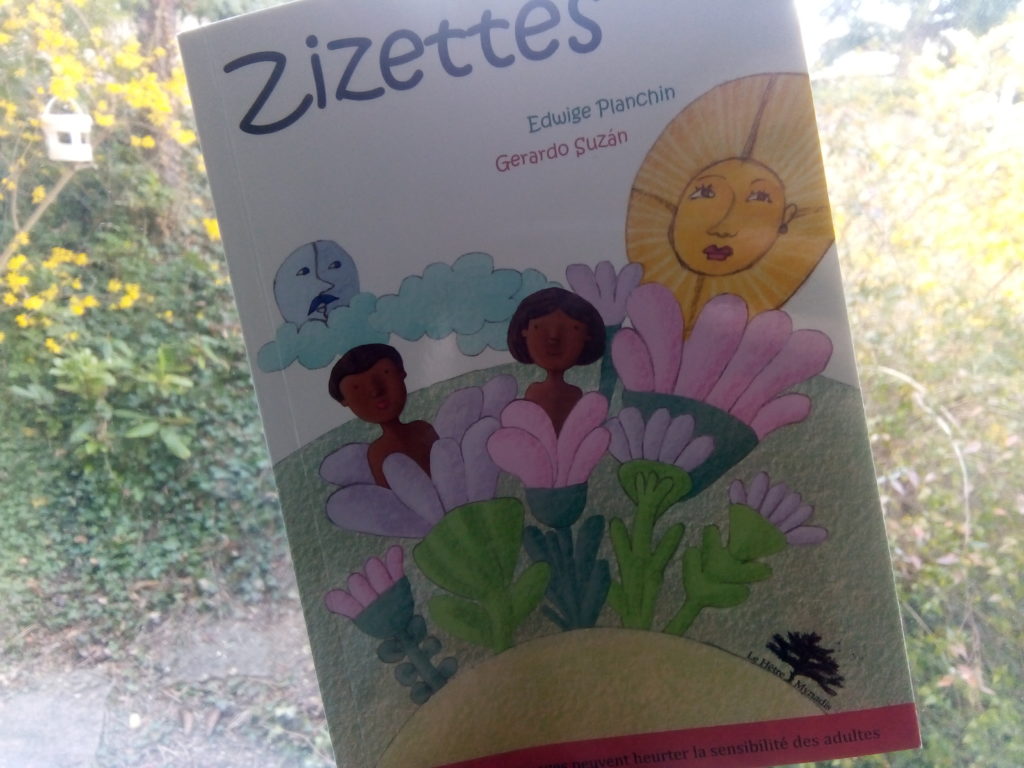
A story that names the awkwardness
Tension builds between the girl and her mother, who refuses to listen to the questions. The resolution matters: the mother apologizes and finally puts words on her daughter's worries, such as what the hollow of the vulva is for. Repair after a failed conversation is a valuable model for readers.
This arc gives families a script for what happens when a parent gets it wrong. You can close the book and say, honestly, that you did not know how to answer, then try again. The same patience applies to everyday friction, as explored in children misbehaving and why punishment is not the only answer. Bedtime struggles call for similar calm, as these tips for easier bedtimes explain.
Reading together also creates a calm moment, away from screens and rush. Many parents find that a shared ritual, whether a book or a quiet activity, makes hard topics easier to raise later on, much like the guidance on sciatica in pregnancy helps expectant parents prepare for physical discomfort.

| Element | For whom | Purpose |
|---|---|---|
| Illustrated story | Children 6+ | Open the topic through a relatable tale |
| Teaching dossier | Parents and adults | Prepare and structure the conversation |
| Emotion questions | Child or group | Link feelings to the characters' actions |
| Body safety rules | Child or group | Explain consent and trusted adults |
| Relationship themes | Adults | Cover all forms of couples and love |
The teaching guide for adults
The dossier was designed by a family planning team that regularly works with children and teenagers, from kindergarten to high school. It picks up the story's themes and can be used one-to-one or with a group of children.
Activities start from feelings: what did the child feel, what did the characters do, how did they react. From there, children reflect on whether it is okay to talk about the body, nudity and love life. The guide then makes one rule very clear: nobody has the right to touch your body, especially intimate parts, if you do not want it, and if it happens you must be able to tell an adult.
Children also learn that asking questions is normal and that touching and discovering their own body is allowed. The dossier addresses how hard it can be to discuss intimate subjects with certain adults, and it covers all forms of loving relationships and couples.
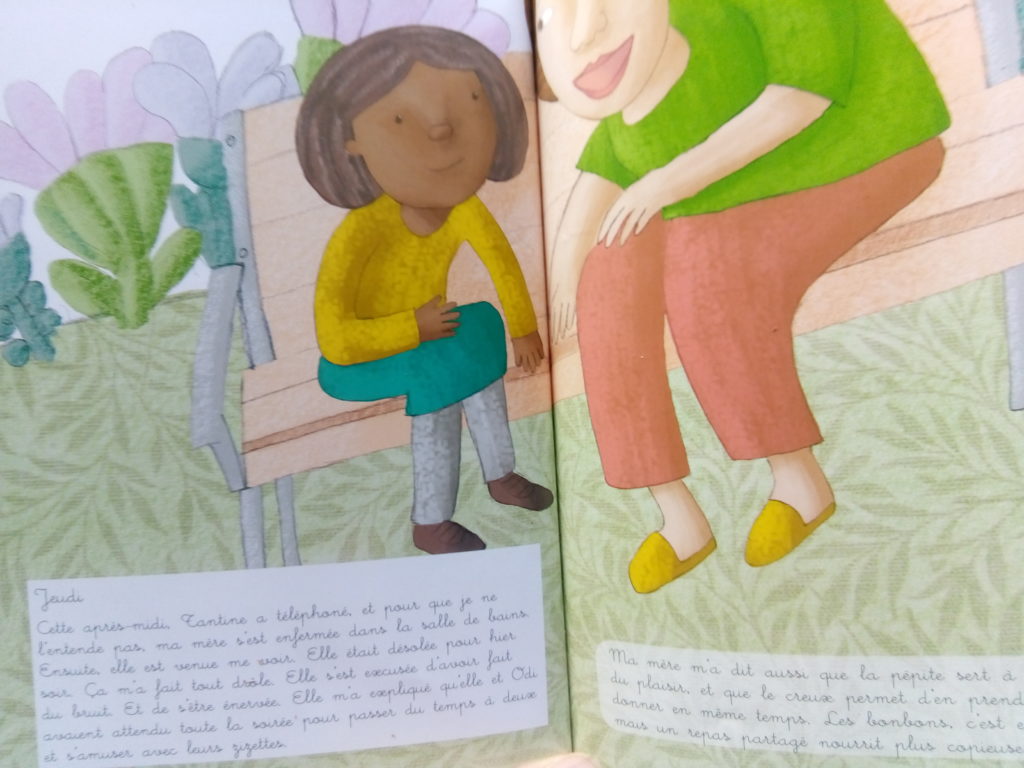
Why start these conversations early
Understanding a child's psychosexual development helps adults respond without panic. The guide gives parents, but also teachers and relatives, background to answer questions that children may never ask out loud. That preparation is part of a broader set of parenting commandments worth keeping in mind: listen first, judge later.
Body awareness is not only about anatomy. It is also about comfort, boundaries and trust, themes that show up in many everyday situations, from dressing to bath time. Sensory tools, for instance, can support a child's relationship with their body, as explained in sensory blankets. For newborns, early check-ups such as bilirubin and newborns screening can also be part of that attentive start.
Some families also use films and stories to open these discussions. If you are building a small library of resources, movies respect can complement a book like this one, giving children another way to see kindness and consent in action. Playful moments, including games inside and outside the hospital, can likewise create relaxed openings for conversation.

How to use the book at home
You do not need to read the whole guide in one sitting. Start with the story, let the child react, and return to the dossier when a question comes up. Keep answers short, factual and adapted to the child's age, and check what they already think before correcting them.
Choose a calm moment rather than a tense one, and avoid turning the conversation into a lecture. If a question catches you off guard, it is fine to say you will think about it and come back to it. Consistency matters more than perfect wording, much like the steady routines described in motivate children when they are learning something new.
The book is available in libraries, bookshops and online retailers, so borrowing it first is an easy option. Reading it yourself before sharing it lets you decide which pages fit your family right now.
My hands-on take
I remember freezing the first time my child asked why bodies look different. My instinct was to change the subject, and I did, which only made the question come back louder a few weeks later. What helped was having something concrete in my hands, so the conversation was not just me improvising.
What I like about this approach is that it gives adults permission to be uncomfortable. I now try to say out loud when I need a moment, then return to the topic later, and I keep a short, simple answer ready instead of a long explanation. Reading the story together first, then talking about how the characters felt, worked far better than any lecture I could have prepared.
Frequently asked questions
From what age can this book be used?
It is intended for children aged six and up, but the adult guide lets you adapt the depth of the conversation to the child in front of you.
Do I have to read the whole teaching guide first?
No. You can start with the story and use the dossier when a question arises or when you want to prepare a specific topic.
What if my child asks a question I cannot answer?
Say honestly that you will think about it and come back to it. The book itself models this: a parent can get it wrong, apologize and try again.
Is the book only about anatomy?
No. It also covers emotions, consent, prejudices, self-discovery and different forms of loving relationships.
Product Reviews
 Best Toys for Dogs With High Prey Drive |
Best Outdoor Toys for 3-4 Year Olds |
Best Outdoor Toys for 6 Year Olds |
Best Harness for Poodle |
Best LEGO Sets for Adults |
Best Travel Toys for 4 Year Olds on Airplane |
Best Toy Stores in Washington DC |
Best Potty Training Toys |
Best Toys for Tripod Dogs |
Maillot equipe de france







