


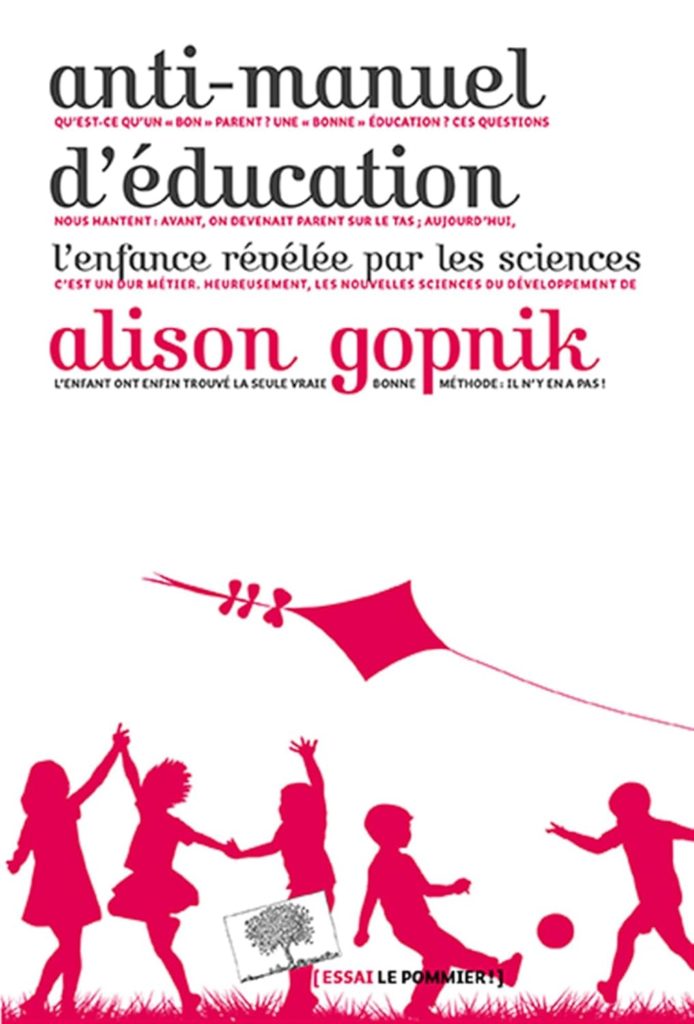
The cultural ratchet effect is a useful way to understand a tension every family lives with: adults carry tradition, while children and teenagers carry change. Psychologist and philosopher Alison Gopnik, who teaches at the University of California, Berkeley, describes this in her writing on education and childhood.
Her central point is simple. Children learn so quickly, and absorb cultural information so efficiently, that innovations get passed on to the next generation. Yet children, and especially adolescents, are also often at the leading edge of technological and cultural change.

That double role is not a flaw in family life. It is a built-in feature of being human, and seeing it clearly can make daily friction with a growing child much easier to handle.
Quick takeaways
- The cultural ratchet effect describes how innovations are kept and passed on rather than lost.
- Childhood builds two human capacities: learning from earlier generations and inventing new things.
- Children absorb culture quickly and often without noticing, through play with everyday tools.
- Adolescents frequently sit at the leading edge of technological and cultural change.
- Adults find new learning harder, which is why the gap between generations feels real.
- The tension between tradition and innovation is universal, constant and not a parenting failure.
What the Cultural Ratchet Effect Actually Means
A ratchet is a small piece of hardware that stops a toothed wheel from turning backwards. Gopnik borrows the image to describe something similar in human culture: innovations are not lost, because adults pass them on to children as part of ordinary upbringing. By nature, we are creatures of culture.
In this view, childhood exists to let each person develop two distinctly human capacities. The first is learning from earlier generations through observation, imitation and testimony, which is far faster than reinventing a tool from scratch. The second is inventing, since every generation adds to the knowledge and expertise accumulated before it.
Why the Ratchet Keeps Turning
The ratchet works because each generation can treat earlier discoveries as settled and start from there. Humans constantly transform their environment, and our brains are shaped and rewired by experience, especially in early childhood.
So the cycle repeats: we invent, we transmit, then we invent again from what was transmitted. Brains, habits of thought and cultures can shift dramatically in only a few generations.

Learning in Childhood and Learning in Adulthood
The ratchet also reflects a difference in how we learn at different ages. For adults, picking up a new skill is harder than it is in childhood. Children, by contrast, acquire the innovations of the past almost effortlessly, often without noticing, because those innovations have become part of the culture they play with.
Later, that same generation alters those practices, turning yesterday's innovations into today's traditions, and adds new ones of its own. Parents who want to support this process at home can start with simple, open-ended play materials, such as the sensory toys that let toddlers explore texture and cause and effect. As one pediatrician reminds us, parents are the mirror children reflect themselves in every morning.
Every Generation Grows Up Somewhere New
Each generation grows up in a new environment that its parents created. In early childhood, the brain meets new experiences and gets wired in a unique way, which lets those new brains transform the environment in turn.
That is why the gap between a parent's childhood and a child's childhood is not a failure of communication. It is the normal result of culture moving forward one generation at a time, and even small everyday choices, like choosing children's sunglasses, carry that culture forward.

| Side of the ratchet | Who usually carries it | What it looks like at home | A useful parent response |
|---|---|---|---|
| Tradition | Adults | Family routines, rules, language, customs | Explain the reason behind the rule |
| Innovation | Children and adolescents | New slang, new tech, new tastes in music and clothing | Ask questions before judging |
| Transmission | Both, together | Skills learned by imitation and observation | Let your child teach you something |
| Friction | Both, inevitably | Arguments about habits and priorities | Expect it and stay calm |
| Balance | Parents mainly | Steady routines plus room for choice | Keep rituals, allow small experiments |
Tradition and Innovation: Effects on Culture and Technology
These intergenerational changes are the engine of cultural and technological innovation. They produce transformations that are largely arbitrary, such as shifts in language, dance or clothing from one era to the next. Gopnik notes that even in the Neolithic period, pottery decoration changed from generation to generation.
Change may look faster today, particularly because of digital tools and transport, but it remains a universal and constant feature of human development. The same appetite for novelty shows up in how children play, from building sets to the compatible brands that extend them.
Adolescence as a Hotspot of Change
Gopnik acknowledges that technological and cultural innovation rests on high levels of competence. Children and adolescents sit at the centre of human change, and teenagers in particular often lead shifts in popular culture.
For parents, that can feel like resistance. It may be more accurate to read it as the innovation half of the ratchet doing its job, right on schedule.
Why the Ratchet Is Good for Humanity but Hard at Home
The cultural ratchet effect benefits humanity as a whole, yet it is not easy to live with day to day, especially with teenagers. The same drive that pushes culture forward pushes against household rules, schedules and preferences.
Recognising the pattern helps. When a child questions a family habit, they are practising the capacity to invent, not simply being difficult. Parents can hold the tradition side without crushing the innovation side, for instance by keeping routines steady while leaving room for a child's own choices.
Small Ways to Balance Both Sides
Practical balance looks ordinary: explain why a family rule exists, then invite your child to suggest how it could work better. Let them teach you something they have learned, and take it seriously. Share a story from your own childhood so tradition has a human face, or try stories that turn mathematics into a shared family game.
Shared rituals help too, whether that means a happy family routine everyone can rely on or a calm evening plan such as these Twelfth Night for winding down together after a big day. Simple habits like washing hands before food can become rituals children carry forward.

What This Means for Parents Day to Day
Understanding the ratchet shifts the question from "why won't my child accept how we do things?" to "what is being transmitted, and what is being invented?" Both are necessary, and both deserve space.
Children learn culture through play with the tools around them, so the materials you offer matter. A simple board game or a story can carry tradition, while building toys leave room for invention. Even a sea stories collection read aloud can open a conversation about how the world has changed since you were small.
Expect Friction, and Plan for It
Friction between generations is not a sign that something has gone wrong. It is the sound of the ratchet turning. Keeping that in mind makes it easier to stay calm when a teenager announces that the family way of doing something is outdated.
Stay curious about what they are proposing. You may not adopt it, but treating the idea seriously keeps the conversation open, which is what transmission needs in order to keep working.
My hands-on take
I first came across this idea when my own child was small, and it changed how I read everyday moments. When she insisted on using a toy in a way I had not intended, my first instinct was to correct her. Now I try to watch for a moment first, because that is usually where the inventing happens.
With older children the same lesson applies, just louder. I have learned to separate the family habit I actually care about from the one I am only defending out of familiarity. Keeping a few rituals steady while letting the rest be questioned has made our home calmer, and honestly, more interesting.
Frequently asked questions
What is the cultural ratchet effect in simple terms?
It is the idea that human innovations are not lost between generations. Adults transmit what they know to children, and children build on it rather than starting over, so culture keeps moving forward instead of slipping back.
Why do teenagers push back against family traditions?
Adolescents are often at the leading edge of cultural and technological change. Their pushback is part of the innovation side of a universal human pattern, not simply defiance.
Does this mean parents should abandon rules?
No. Adults carry the tradition side, and steady routines give children a secure base. The aim is to hold routines while leaving room for a child's own ideas and choices.
Can parents influence how fast a child changes?
Only partly. Each generation grows up in an environment its parents helped create, so the home shapes the starting point, but children will still reshape what they inherit.
Product Reviews
 Best Toys for Dogs With High Prey Drive |
Best Outdoor Toys for 3-4 Year Olds |
Best Outdoor Toys for 6 Year Olds |
Best Harness for Poodle |
Best LEGO Sets for Adults |
Best Travel Toys for 4 Year Olds on Airplane |
Best Toy Stores in Washington DC |
Best Potty Training Toys |
Best Toys for Tripod Dogs |
Maillot equipe de france







