


Getting kids to eat more fruits, vegetables and legumes is one of the most common struggles at the family table, and it rarely solves itself with a single rule or a single dinner. The good news is that there is no magic trick required, only a set of small, repeatable habits that make these foods familiar, tasty and even fun.
This guide gathers ten practical ideas, from slipping lentils into familiar dishes to letting children chop and taste as they cook. None of them promises an instant conversion, but together they build a calmer, more varied plate over time.

Quick takeaways
- Add lentils or grated vegetables to dishes your child already likes.
- Replace part of the wheat flour with chickpea or soy flour.
- Mix legume pasta with familiar shapes and colours.
- Serve vegetables as tarts, gratins, sticks and dips.
- Blend fruits and vegetables into smoothies and spreads.
- Let children help cook and taste as they go.
Sneak Vegetables and Legumes Into Savoury and Sweet Dishes
The goal here is not to deceive children but to place foods they would never eat plain into dishes they already enjoy. You can tell them a mystery ingredient has been added to the usual recipe and ask them to guess what it is after tasting. That turns a suspicious bite into a small game.
Red lentils, for instance, disappear easily into savoury tarts or soups, thickening the texture without changing the flavour much. Mashed beans can vanish into a tomato sauce, and grated vegetables blend neatly into meatballs or fritters. The same trick works with festive sweet potato recipes, where vegetables hide in plain sight.
Keep the Base Familiar
Start with a recipe your child already trusts, then change one element at a time. If you swap too much at once, the dish becomes unfamiliar and the experiment fails. Pair this patient approach with the motivation for studying you use for homework: small steps, visible progress, plenty of encouragement.
Swap in Legume Flours and Try Vegetable Pasta
For a gradual transition, replace about a third of the wheat flour in a recipe with legume flour such as chickpea or soy. This works in pancakes, cakes and savoury batters, though the taste does take some getting used to. Not every experiment will succeed, and that is perfectly normal.
Vegetable pasta is a gentler starting point, and it comes in every size and shape. Legume pasta exists too, and reluctant eaters often accept it more readily when it is mixed with regular wheat pasta, playing on shapes and colours like shells, bow ties or spirals. As with choosing children's sunglasses, small adjustments and a little patience go a long way.
Presentation Does Half the Work
Colourful shapes catch the eye before the first bite, much like a well-designed foam block toys set draws children in through look and feel. A mixed bowl of pasta looks like a treat rather than a compromise. The same calm approach helps when he travels without parents.

| Usual ingredient | Swap or addition | Good for |
|---|---|---|
| Wheat flour | One third legume flour | Cakes, pancakes, batters |
| Plain pasta | Mixed vegetable or legume pasta | Reluctant eaters |
| Salad or steamed veg | Tart, gratin or oven-bake | Dinner resistance |
| Cream or sauce | Lentils or mashed beans | Soups, tarts, sauces |
| Butter or cream | Tahini or nut butter | Desserts, sauces |
| Snack biscuits | Date and nut energy balls | Afternoon snacks |
Bake Vegetables Into Tarts, Gratins and Cakes
Vegetables presented in forms children already like generally meet far less resistance than salads or plain steamed vegetables. A béchamel sauce, cheese, vegan or not, and seasonings such as nutmeg or miso can all make vegetables far easier to accept. A gratin also keeps everything warm and comforting at the table.
Sweet baking is another door: carrot cake, chocolate and courgette cake, beetroot muffins or pumpkin gingerbread all carry vegetables inside a familiar treat. Children rarely object when the result looks like dessert.
Make It a Weekend Project
Baking together on a rainy afternoon gives the whole thing a festive feel, much like planning a Disney birthday at home. The child who greased the tin is far more likely to taste what comes out of it.
Offer Fun Finger Food and Smoothies
The more playful the shape, the less off-putting the taste becomes. Cauliflower, carrots, cucumbers and courgettes can easily be offered as sticks or skewers to dip into hummus or a yogurt sauce, dairy or plant-based. Children who are allowed to dip and crunch tend to eat more without any negotiation.
Spreads made from vegetables and legumes can go on slices of bread, blinis or even a slice of beetroot. Smoothies work the same way: fruit smoothies are an easy win, and mixed fruit-and-vegetable versions or vegetable-only recipes are worth trying too.
Add Nut and Seed Butters
Tahini, or sesame paste, is especially worth keeping on hand because it is rich in zinc and calcium. A spoonful stirred into a dessert or sauce adds creaminess without announcing itself. Raw energy balls made from dates and nuts are another simple option, and they are easy to prepare with children.
Cook Together and Let Children Taste as You Go
Children who participate in cooking are more willing to eat the result, and the kitchen offers plenty of small jobs suited to different ages. Let them pick at the ingredients as you prepare, and give them a share of the work that matches their autonomy. A child who tore the lettuce or stirred the lentils has a stake in the meal.
This is also a natural moment to talk about where food comes from, much as you would when reading stories about reading and discussing the pictures together. Curiosity at the counter often carries over to the plate, and a few sweet treats can be part of that conversation too.
Keep the Pressure Low
Offer, don't insist, and keep serving the vegetable alongside something familiar. Repeated exposure without pressure does more than any single clever recipe, and a calm table is worth more than a clean plate. Patience at mealtimes matters just as much as it does when handling late arrivals with understanding.

My hands-on take
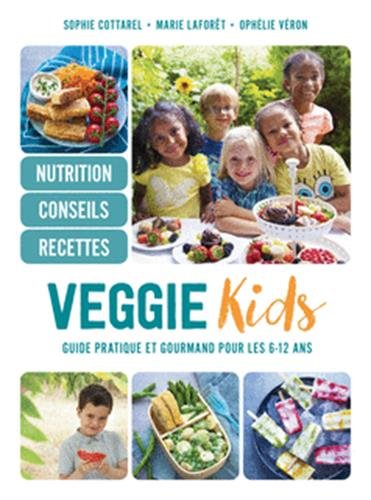
I came to these ideas while gradually reducing meat at home, and I bought a practical guide aimed at children aged six to twelve to find inspiration. We still eat meat two or three meals a week, we have cut back considerably on cow's milk in all its forms, and eggs still appear several times a week, directly or in baking. Legumes have become more frequent since we started, but I kept running out of ideas for varying them.
My own experiment with chickpea flour was a clear failure: I tried it in both sweet and savoury recipes and disliked the taste every time. It ended up as salt dough for my daughter, which at least kept the afternoon pleasant. What has worked far better in our house is mixing pasta shapes and letting the children dip vegetable sticks while I cook.
Frequently asked questions
Should I tell my child about the hidden ingredient?
Yes, in most cases. Announcing a mystery ingredient and asking them to guess turns it into a game rather than a deception, and it keeps trust at the table.
What if my child refuses legume flour?
Start with a smaller proportion, or use vegetable or legume pasta mixed with regular pasta first. Taste is often the obstacle, and repeated small exposures help.
Do smoothies really count as fruit?
They can be a useful way to offer fruit, especially for children who avoid it whole. Keep them as one option among others rather than the only route.
How long should I keep offering a refused food?
Keep offering it calmly alongside familiar foods, without pressure or bargaining. Familiarity usually grows over many repeated, low-stakes exposures.
Product Reviews
 Best Toys for Dogs With High Prey Drive |
Best Outdoor Toys for 3-4 Year Olds |
Best Outdoor Toys for 6 Year Olds |
Best Harness for Poodle |
Best LEGO Sets for Adults |
Best Travel Toys for 4 Year Olds on Airplane |
Best Toy Stores in Washington DC |
Best Potty Training Toys |
Best Toys for Tripod Dogs |
Maillot equipe de france







