


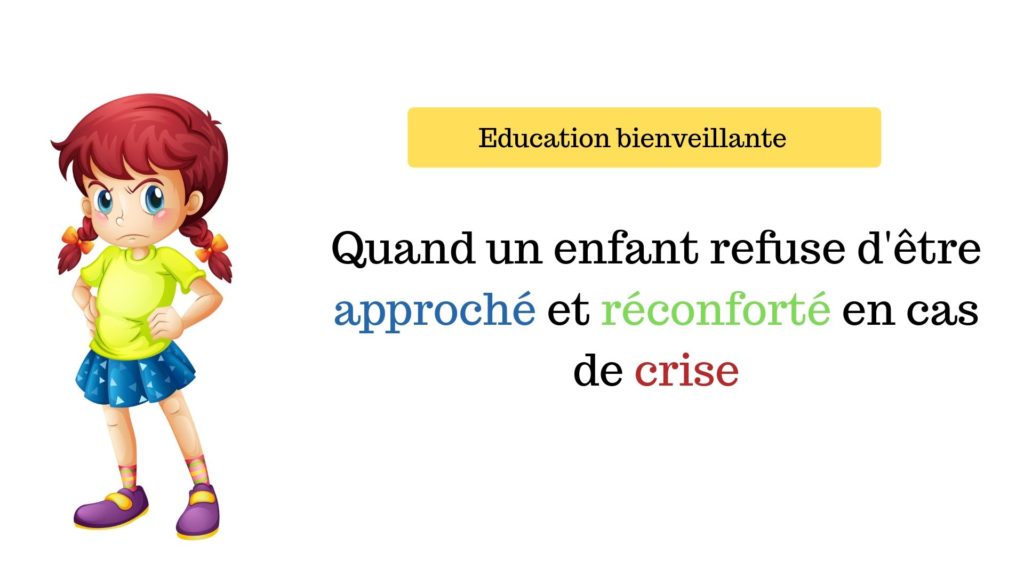
When a child refuses to be approached and touched during a crisis, the most respectful response is to step back rather than push in. Many gentle-parenting guides suggest that holding and cuddling a child helps them regulate emotions, but that simply does not fit every child.
Some children dislike being touched when emotions run high. If you try to approach them, the crisis can intensify — sometimes even talking makes it worse. This phase is common in young children, roughly between three and six years old, and more rarely up to around nine.

Quick takeaways
- Never force physical contact a child finds unpleasant; respect their dignity.
- Stay close, quiet and available without being intrusive or resentful.
- A child in crisis needs both empathy and freedom of movement.
- Redirect hitting into playful games instead of punishing or shouting.
- Talk it over calmly afterward and ask what truly comforts them.
- Stay grounded so your child's emotions do not overwhelm you.
You cannot impose physical contact
Gentle parenting is not a magic formula applied identically to every child. It asks for creativity and constant adaptation, even to what suited the same child a moment earlier. What comforts one child will not necessarily comfort another, and that is perfectly okay.
The guiding principle is the child's dignity and respect. Forcing a contact they find unpleasant is neither comforting nor respectful. If your child prefers that you stay at a distance and stay quiet, honor that: simply acknowledge it and remain available and open without being intrusive or resentful.
Bear in mind that squeezing a child tightly to stop sudden movements can increase their anger, because they feel powerless and the emotion cannot fully discharge. You may still pick a child up to change the environment, so they can run, cry or shout elsewhere. Feeling rejected can be hard on parents, especially when a sibling enjoys imaginary friend comfort and physical affection.
A child in crisis needs empathy and movement
When a child is in crisis, the instinct is often to contain them, to stop them fleeing or moving. Yet what a child in crisis most needs is both empathy — the non-judgmental, non-intrusive presence of someone they love — and movement: the freedom to move, cry, retreat or isolate.
If a child tries to hit, redirect the gesture rather than hitting back or shouting. You can turn an aggressive gesture into play, such as a rough-and-tumble game or a chase. The goal is to let children live through a situation where emotions are soothed and regulated rather than stifled, and where they hold personal power. If you are holding a child through a long crisis, learn how to avoid back contractures.
Why playful aggression helps
Letting a child do what they want in an attenuated way brings two benefits. Acting out aggression "for fun" reduces the need to give in to impulses in real life, since the energy is released in a safe setting where the aggressive drive becomes positive interaction. Slightly modifying the aggressive gesture also teaches the child to control their impulsivity. For calmer moments, fine motor skill toys can help children channel energy constructively.
| Situation | Avoid | Try instead |
|---|---|---|
| Child pulls away from a hug | Holding them tighter | Stepping back and staying quiet |
| Child tries to hit | Hitting back or shouting | Redirecting into playful movement |
| Child wants to be alone | Following and questioning | Staying available at a distance |
| Crisis has passed | Lecturing immediately | Talking calmly and apologizing |
| Child cannot name comfort | Assuming what helps | Asking what they find soothing |
What to do when your child refuses contact
Once things are calm, you can talk again about what happened and apologize for not immediately understanding that your child would have preferred you to stay back. Assure them that from now on you will respect their need for space.
You can also ask your child what genuinely comforts them and what they expect from you during a crisis — perhaps nothing at all. Some children first need to ride the emotion to the end, release the tension and discharge it before they can turn toward an available, caring source of comfort.
As a parent, remind your child that you remain available even while giving them the time and space they need. Above all, respect their emotions and stay physically grounded so you are not swept up by what they feel — emotions that belong only to them, not to you. For a wider look at everyday triggers, see managing child fatigue.
Reading your child's signals and preparing ahead
Every child shows subtle cues before a meltdown escalates, from clenched fists to turning away. Noticing these early signs lets you offer space before the situation becomes overwhelming, rather than after. A calm, quiet corner with soft items can help a child who needs to withdraw.
It also helps to think about your home setup in advance. Keeping soothing objects within reach, and knowing which toys your child gravitates toward, makes those hard moments easier to navigate. If you are choosing gifts for a young child, our guide to the best toys for one-year-olds offers ideas that support comfort and play.
For older children, the right materials can channel restless energy productively. Building toys and hands-on kits are worth considering, and our selection of the best STEM toys for five-year-olds can inspire calm, focused play after a stormy moment.

Building a respectful calming routine over time
Over weeks and months, patterns emerge. You begin to learn which approaches your child tolerates and which they reject, and you can build a small repertoire of calming options. Some children respond to a quiet voice from across the room; others need silence and solitude.
Keeping a few predictable routines — a familiar blanket, a favorite stuffed animal, a dimly lit spot — gives a child anchors they can rely on. The right toys for 2 year olds can become part of that comfort kit. Caring for well-loved comfort items matters too; our tips on washing stuffed animals safely help keep these cherished companions clean and ready.
Finally, remember that your own steadiness is part of the routine. Staying calm and grounded models the regulation you hope to teach, and it protects you from absorbing emotions that are not yours to carry. For more on handling big feelings without harsh reactions, read why it is not good to slap.
My hands-on take
I learned this the hard way with my own child, who would arch away the moment I reached for a hug mid-meltdown. For a while I took it personally, convinced I was failing at comforting. What changed things was simply sitting on the floor a few steps away, saying nothing, and letting them come to me when ready.
It felt strange at first to do "nothing," but the storms got shorter. Later, in calm moments, I started asking what actually helped, and the answers surprised me — a quiet room, a particular blanket, sometimes just being left alone. Now I keep those options ready and trust that staying present matters more than any hug I could impose.
Frequently asked questions
Is it normal for a child to refuse being touched during a tantrum?
Yes. Some children find physical contact overwhelming when emotions are intense, and being approached can make the crisis worse. This is a common phase in young children and does not mean anything is wrong with them or with you.
Should I hold my child to stop them from moving?
Restraining a child can increase their anger because they feel powerless and cannot discharge the emotion. It is better to allow movement, or to pick them up only to move them somewhere safe where they can run, cry or shout.
How do I talk about it afterward?
Once calm, revisit what happened and apologize for not understanding sooner that they needed space. Assure them you will respect their need for distance, and ask what genuinely comforts them during a crisis.
What if my child needs nothing at all?
Some children first need to ride the emotion to the end before they can accept comfort. Let them know you remain available, and give them the time and space they need without taking it personally.
Product Reviews
 Best Toys for Dogs With High Prey Drive |
Best Outdoor Toys for 3-4 Year Olds |
Best Outdoor Toys for 6 Year Olds |
Best Harness for Poodle |
Best LEGO Sets for Adults |
Best Travel Toys for 4 Year Olds on Airplane |
Best Toy Stores in Washington DC |
Best Potty Training Toys |
Best Toys for Tripod Dogs |
Maillot equipe de france







