


Understanding children's tantrums means looking past what you see and hear to the needs underneath. When you think in terms of physiological and emotional needs, and of attachment, you often put your finger on the real knot of the problem.
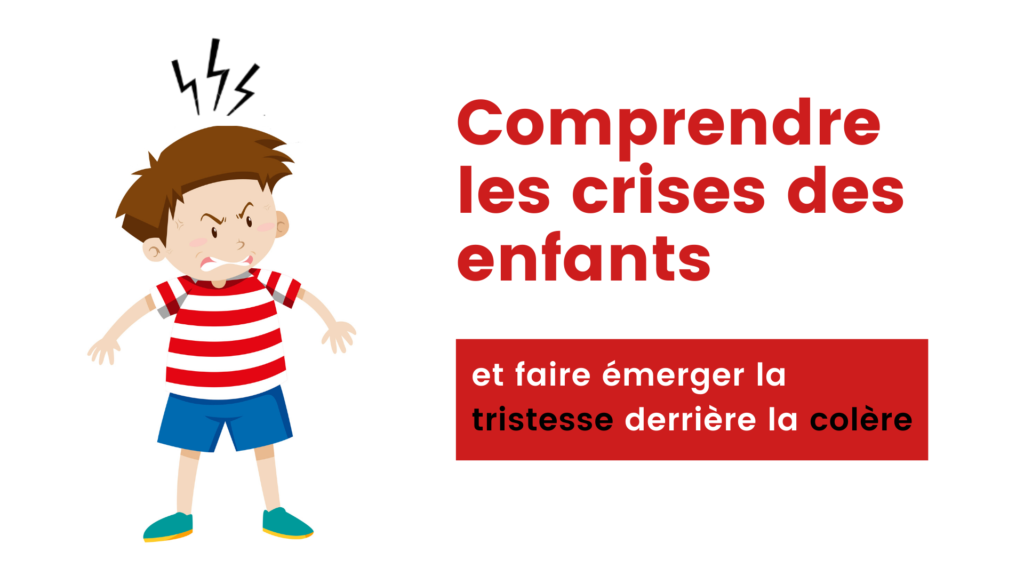
Anger has a function that can only be fulfilled if the emotion is allowed to run its full course. A frustrated child needs a calm adult who holds the space until the anger softens into sadness.

Quick takeaways
- Anger in children has a function: let it run its course.
- Frustration turning into sadness signals the tantrum is ending.
- Hold the child in frustration without punishing or reasoning.
- Read the cues that anger is softening into tears.
- Stay calm and present rather than fixing or reassuring.
- Know your own triggers so you can hold steady.
Anger Has a Job to Do
In her book on play and growing up, Deborah Macnamara explains that a child in the grip of frustrated anger needs parents to welcome that anger until it turns into sadness. That shift is the sign that a process of grieving has begun and the tantrum is nearing its end.
For this to happen, a child must be allowed to live the anger fully, then to cry tears of sadness for as long as needed, within a trusting relationship with a caring adult. The adult holds the child in the frustration until the door of acceptance and adaptation opens. Holding a child in frustration means not censoring the emotion by threatening punishment, demanding calm, saying it's nothing, or reasoning it away.
When you are tempted to argue, remember that stubborn behavior often masks feelings a child cannot yet name. Allowing the anger to reach its end lets it do its repair work after frustration and restore the child's sense of wholeness.
Accompanying Anger Toward Sadness
Once the door of adaptation opens, the child feels sadness and may begin to cry. A parent might tell a child who wants to put the new baby in the bin: "I know it's hard having a little sister. You want things to go back to how they were." The child is allowed to reply, "Yes! I don't like her, take her away!" and is confirmed in those feelings. As with the things not to a struggling mother, validation matters more than correction.
The child may keep complaining while tears start to flow. Macnamara believes a parent should ideally read the signs that frustration is softening and the child is moving toward sadness. You can accompany that path with a hug, a tender gesture, silence, patience, or words like "I'm here" and "I know, it's hard."
Every child's dance from angry to sad looks different. A parent must read the cues, have faith that anger will tip into sadness, and hold steady through the storm. Much as you would prepare calmly for a new baby at home, preparing emotionally for big feelings helps everyone adjust. Just as books teaching routines can steady daily life, calm presence steadies big emotions.
| Situation | Unhelpful response | Helpful response |
|---|---|---|
| Child screams in anger | Threatening punishment | Staying close and calm |
| Child says "I hate you" | Arguing back | Confirming the feeling |
| Tears begin | Saying "it's nothing" | Offering quiet presence |
| Child wants to be held | Pulling away | A hug if accepted |
| Parent feels flooded | Pushing through | Pausing to breathe |
Why It Is Hard to Stay Calm
It is difficult to handle a child's frustration and your own emotional control at the same time. Macnamara lists reasons adults struggle to accompany anger all the way to tears: lack of knowledge about young children's emotional mechanisms, lack of cultural, family, or partner support, fear of the child's anger or reactions, and fear of other parents' judgment, of looking like a lax parent.
Other reasons include a compulsive need to do things for the child, over-reliance on logical reasoning that minimizes emotions, a relationship not deep enough to bring a child to tears, and traumatic memory mechanisms that stir a parent's own violence in the face of anger or sadness.
When young children are frustrated by what they cannot change, they need comforters who will hold on until the frustration can be released through sadness or disappointment. Just as you would calmly follow baby sleep tips without panic, you can meet a tantrum without rushing to fix it. The same steady patience helps when celebrities after giving birth face public scrutiny, and it matters when choosing nipple creams for yourself.
What Not to Do in the Storm
Maintaining a child in frustration does not mean abandoning them. It means staying close while refusing to shut the emotion down. Threats, sermons, and quick reassurance all interrupt the process, because they tell the child the feeling is not allowed.
Instead, keep your body calm and your words few. Offer presence rather than solutions, and let the tears come when they are ready. This is the same steady patience you would use to encourage independent play, stepping back while remaining available. Recognizing natural abortion symptoms can also help you respond calmly to distressing signs.
Reading the Signs
Watch for the moment the shouting slows, the body softens, or the child leans in. That is your cue to offer a hug or quiet words. Trusting the process matters more than saying the perfect thing.

Building a Calmer Home
Understanding tantrums changes how you respond day to day. You stop seeing anger as defiance and start seeing it as a signal of unmet needs. That shift lowers the pressure on everyone.
Practical habits help: keep routines predictable, name feelings out loud, and protect your own rest so you have room for big emotions. Parents who plan ahead, much like those who read up on virtual babysitters before a busy week, cope better when storms arrive.
Over time, children learn that feelings are safe to express and that someone will stay with them until the storm passes. That lesson lasts far beyond childhood.

My hands-on take
I remember the first time I tried simply sitting with my daughter's rage instead of shutting it down. Every instinct told me to fix it, to explain, to make it stop. Instead I stayed quiet and close, and after a long stretch of shouting she suddenly crumpled into tears and let me hold her. That shift surprised me more than anything.
Since then I have learned to watch for the softening, the moment her shoulders drop. I still get it wrong on tired days, but knowing that anger is meant to move toward sadness gives me something to hold onto. It turned tantrums from battles into moments I could actually sit through.
Frequently asked questions
Why does anger turn into sadness?
Sadness signals that the child has begun to accept what cannot be changed. It is the sign the tantrum is winding down and grieving has started.
Should I reason with a child mid-tantrum?
Reasoning usually interrupts the emotion. It is better to stay calm and present, then talk once the storm has passed.
How long should I let a tantrum last?
There is no fixed time. Stay with the child and follow their cues until the anger softens and tears come naturally.
What if I lose my patience?
It happens to every parent. Take a breath, repair afterward, and remember that your calm presence is what the child needs most.
Product Reviews
 Best Toys for Dogs With High Prey Drive |
Best Outdoor Toys for 3-4 Year Olds |
Best Outdoor Toys for 6 Year Olds |
Best Harness for Poodle |
Best LEGO Sets for Adults |
Best Travel Toys for 4 Year Olds on Airplane |
Best Toy Stores in Washington DC |
Best Potty Training Toys |
Best Toys for Tripod Dogs |
Maillot equipe de france







