


Talking to children about death is one of the hardest conversations a parent will ever have, and most of us feel completely unprepared for it. From around four or five, children start asking questions that stop us in our tracks: What is death? Why live at all if we die in the end? Will you die too?
Those questions are not a problem in themselves. What unsettles children is often our anxious, clumsy answer, or the way we dodge the question entirely. This guide offers simple words, honest answers and concrete tools to help you stay alongside your child instead of shutting the conversation down.

Quick takeaways
- From about four or five, questions about death are a normal stage of development.
- Name the worry honestly instead of promising that nobody will die soon.
- Use a picture book to open the conversation and show that many answers exist.
- A "box of sunshine" of shared memories gives a child something concrete to hold.
- Avoid euphemisms like "went to sleep", which can create new fears.
- Keep routines and play steady, and revisit the subject whenever your child asks.
Why children ask about death, and why our answers matter
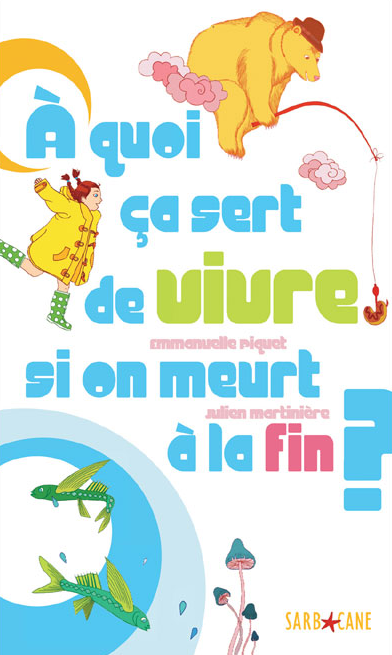
Around the age of four or five, children begin to wonder about death and to ask questions that leave parents destabilised. According to psychologist Emmanuelle Piquet, author of a children's book asking what living is for if we die at the end, the difficulty is rarely the question itself. It is the anxious, awkward answer we give, or the urge to explain the question away.
Telling a child "don't worry, you won't die for a long time, and neither will I" can backfire. The child senses that something is being hidden and concludes that death must be even more serious than they thought. Reassurance that dodges the truth costs more than it gives.
What a steady answer sounds like
A more helpful response names the worry without pretending to solve it: "I understand that you are thinking about death. It is an important and worrying subject, because we have no control over it. We can't do anything about it, and we don't know when it will happen." That kind of sentence welcomes the question instead of closing it, much as you would calmly handle a sudden outburst when a child shouts angry outbursts and needs you to stay steady.
A book as a support for the conversation
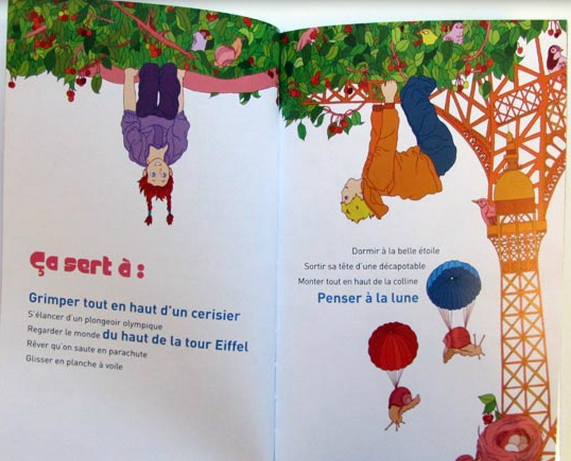
Stories give children a way into a subject that is too big for a direct explanation. The book built around the question "what is the point of living if we die in the end?" is really a book about life: what do we do while we wait? To answer, the young heroine gathers her friends and family, and each one replies in their own way.
"It's for giving cuddles," says her mother. "It's for climbing right to the top of a cherry tree," says her friend Benoît. "It's pointless!" says her gothic cousin. The humour and the range of voices show a child that there is no single correct answer, and that doubt is allowed. Reading it together can open a conversation you would struggle to start cold.
Whatever support you choose, the key is to welcome your child's worry about death rather than minimise or deny it. Acknowledging the feeling is already a form of comfort, the same patience you need when a small child is learning to speak and every attempt deserves an answer, as described in early language steps.
| Situation | Instead of saying | Try saying |
|---|---|---|
| "What is death?" | "Nothing to worry about." | "It means the body stops working and cannot come back." |
| "Will you die too?" | "No, never, I promise." | "I don't know when, and I plan to be here a long time." |
| A loved one has died | "They went on a long trip." | "Their body stopped working, and we won't see them again." |
| "What's the point of living?" | "That's a silly question." | "That's a big question; what do you think so far?" |
| Child cries weeks later | "You should be over it." | "You still miss them. Tell me what you remember." |
How to talk about the death of someone close
When a loved one dies, children need words for the loss, and concrete images often work better than abstract explanations. Psychologist Jeanne Siaud-Facchin describes an eight-year-old boy who had just lost his father, and the single thing she found to say to him.
"Deep inside you, you have a treasure, an immense treasure. That treasure is all the love you shared with your dad, all the moments you spent together, all the kisses and cuddles you had, the two of you. Death did not take that treasure away. You will always have it inside you, and you can draw on it throughout your life, even in the hardest moments, even when you are grown up. It is your box of sunshine."
Building a box of happy memories
You can turn this image into something physical: a shoebox where your child keeps a photo, a small object, a drawing of a shared moment. It gives grief a place to go, and it works alongside other family rituals that hold a child's world together, such as the first nights away from home covered in toddler bed transition.
Everyday moments that help a child process loss
Grief in children comes and goes in waves, and it often surfaces during ordinary activities rather than in a formal conversation. A child may ask a question in the car, while drawing, or while playing quietly with a favourite soft toy. Keeping those routines intact gives them a safe frame, and even something as mundane as knowing how to clean a beloved plush companion helps a child feel that daily life is still steady, as explained in washing stuffed animals.
Play is one of the most natural outlets for confusing feelings. Open-ended toys let a child act out what they cannot yet say, and choosing a few good options is worth the effort, as our guide to sensory toys toddlers suggests. Time outdoors works the same way: movement and fresh air give big feelings somewhere to go, which is why outdoor toys preschoolers can be a real support in difficult weeks.
Finally, protect calm, screen-free moments together. A phone that keeps interrupting family time makes hard conversations less likely to happen, as this piece on the distracting cell phone points out. Simple shared rituals, like cooking together following a pumpkin crepes recipe, create the low-pressure space where children tend to open up.
What to avoid, and how to keep the door open
Avoid euphemisms that create confusion. Saying that someone "went to sleep" or "went on a trip" can make a child afraid of bedtime or of anyone leaving the house. Use the word death plainly, then stay quiet and let the child respond.
Do not promise that nothing will happen to you, and do not pretend the subject is unimportant. Answer the question that was actually asked, in short sentences, and check what your child understood before adding more. Children often come back to the topic weeks later, and that is normal.
If your child seems stuck in intense fear or sadness for a long time, or stops eating and sleeping well, speak to your doctor. For most families, though, repeated honest conversations and steady routines are enough, and even a few days at grandparents can give everyone breathing space.

My hands-on take
I remember the evening my youngest asked, out of nowhere, whether I would die one day. My first instinct was to say "not for a very long time", and I could see immediately that it didn't land; the child looked more worried, not less. So I tried again and said I didn't know when, that nobody does, and that it was a serious question worth asking. The relief was visible.
What has worked best in our house is not the big talk but the small ones. We made a memory box after a family loss, and it comes out every few months, usually without warning. I have learned to stop what I am doing, put the phone face down, and just answer the question that was asked. Short, honest answers, repeated whenever they come back, have done far more than any perfect explanation I could have prepared.
Frequently asked questions
At what age should I start talking about death?
Follow your child's curiosity. Many children raise the subject themselves around four or five, and a short, honest answer at that moment is better than a planned lecture.
Is it wrong to cry in front of my child?
No. Showing sadness in a contained way teaches a child that grief is allowed and survivable. Explain briefly what your tears are about so they don't think they caused them.
Should I take my child to a funeral?
It depends on the child and the family. Explain beforehand what will happen and let them choose, and arrange for a trusted adult to step out with them if needed.
What if my child keeps asking the same question?
Repetition is how children digest difficult information. Give the same simple answer each time, calmly, and check what they understood.
Product Reviews
 Best Toys for Dogs With High Prey Drive |
Best Outdoor Toys for 3-4 Year Olds |
Best Outdoor Toys for 6 Year Olds |
Best Harness for Poodle |
Best LEGO Sets for Adults |
Best Travel Toys for 4 Year Olds on Airplane |
Best Toy Stores in Washington DC |
Best Potty Training Toys |
Best Toys for Tripod Dogs |
Maillot equipe de france







