


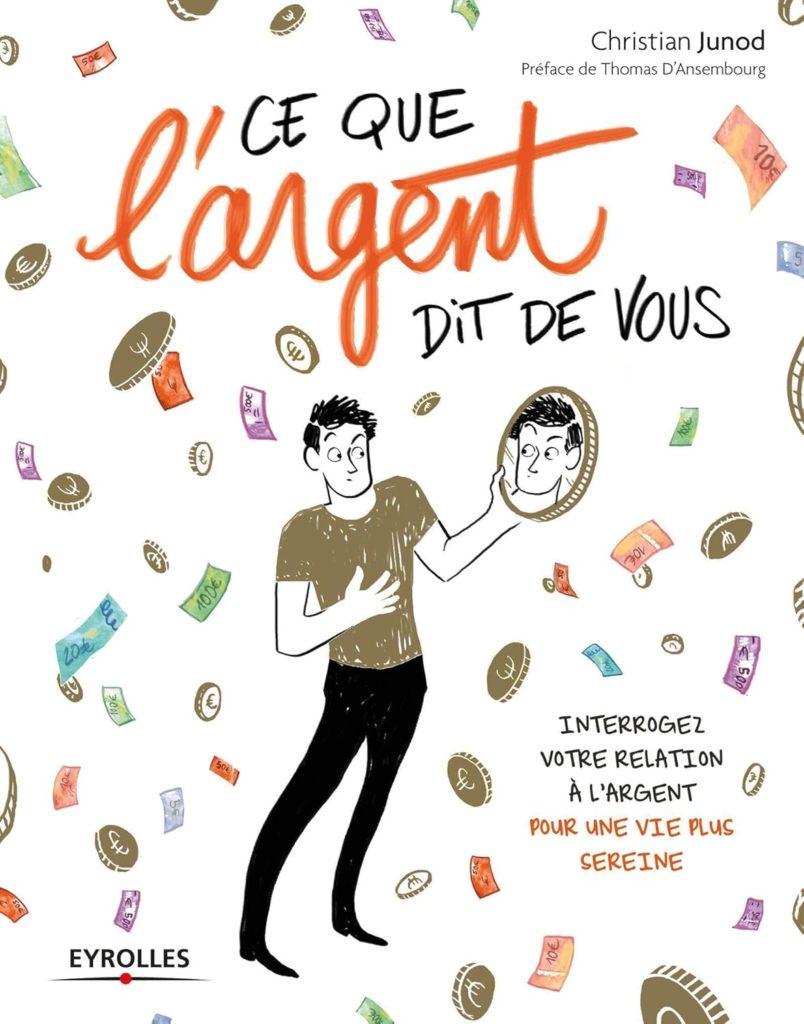
A money relationship problem is rarely about the numbers on your bank statement. Christian Junod, an economist and former investment adviser who now runs seminars based on Nonviolent Communication, describes four patterns in his book on what money says about us.
Each of us tends to sit in only one of these patterns at a time. Recognising your own is the first step towards a calmer, less anxious relationship with money.

Quick takeaways
- The squirrel hoards for security but rarely feels safer
- The sabotage type pushes money away and undervalues their work
- The rollercoaster saves and splurges, often echoing family history
- The buffet type fears being cheated and over-buys to compensate
- Naming an unspoken fear is what allows it to change
- Small, deliberate experiments shift habits better than willpower
The squirrel tendency: saving as a source of stress
The squirrel tendency is about hoarding rather than amounts. Money is linked to positive projections such as freedom, happiness and security, so every expense gets weighed carefully. People in this pattern constantly check that they spend less than they earn, and they like watching savings grow.
Typical signs include easy saving, stashes in boxes, envelopes and accounts, dislike of spending on "useless" things, and a tendency towards stinginess. Rising expenses trigger stress, and it becomes irritating when a relative spends freely by your standards. Many squirrel types also want ever more money.
You can become very rich this way, but at the price of high stress whenever money is involved. Junod's key insight is that money can never compensate for inner insecurity: those with plenty do not feel safer. Overcoming this pattern means facing the fear and finding courage to confront the unknown or break a family loyalty. Fear itself is not shameful, but an unspoken fear stays the driver of your decisions.
The sabotage tendency: pushing money away
The sabotage tendency makes sure money never quite arrives. Money is linked only to negative projections such as conflict, injustice, dirt or anxiety, and people in this pattern tend to take on debt regardless of the amount.
Self-employed people may lack rigour in invoicing, bill late, fail to check payments received, undervalue their work, or repeatedly offer freebies and discounts. Others unconsciously choose low-paid work, earn less than colleagues without acting, do only voluntary work, refuse financial support, or struggle to accept gifts and donations. Some refuse an inheritance, lend to people who will never repay, or dare not claim what they are owed.
Junod points out that the world needs people using their talents fully, and every time one of them fails, it is a waste for them and for everyone who misses out. When you believe you have no value, you are the one you rob. If self-worth is the root, reading about children's gaze can remind you how early these beliefs form. Sleep struggles can also wear down your sense of worth, so it helps to know why children take hours to settle.
| Pattern | Core belief about money | Typical behaviour | First practical step |
|---|---|---|---|
| Squirrel | Money means freedom and security | Saves constantly, stresses over expenses | Plan one enjoyable, deliberate expense |
| Sabotage | Money means conflict and injustice | Undervalues work, avoids claiming dues | Send one invoice on time |
| Rollercoaster | Money is both good and bad | Saves, then squanders without pleasure | Pause before unplanned purchases |
| Buffet | Money must be fully "used up" | Over-buys to avoid being cheated | Ask what the extra really costs |
The rollercoaster tendency: saving and splurging
The rollercoaster tendency combines hoarding and getting rid of money in a kind of inner tug-of-war. Money carries both positive and negative projections: when the positive ones dominate, the person saves; when the negative ones take over, they push money away, often unconsciously.
Despite genuine efforts to save, finances often hover near zero. Money disappears into purchases that bring no real or lasting satisfaction, and once the buy is done the person wonders why they bothered, finding neither use nor pleasure in it.
This pattern often links to a difficult family history. The person may save by mimicking their parents and seeking inner security, then, seeing themselves reproduce those behaviours, reject money by squandering it because of an unsettled childhood. Naming that inheritance is part of the work, much like untangling the forms of aggression adults normalise without noticing.
The all-inclusive buffet: wanting your money's worth
The buffet tendency means wanting to get your money's worth beyond all reason. Junod compares it to an all-inclusive buffet: because it is "free", people eat too much and then pay for it in bloating, heaviness or a liver attack.
People in this pattern fear being cheated or taken for a ride. They fear missing out and fear the uncertainty of tomorrow. The result is over-ordering, over-buying and grabbing every "deal", even when the extra costs more than it gives.
Junod offers a key question to raise awareness: what am I really buying here, and what does it cost me beyond the price? Slowing down before a purchase and asking whether you would choose it at full price is a simple, practical test. It is the same patience we ask of children when we check their development or wonder are our children misbehaving rather than looking at what they need, and it echoes the care behind asking if he for a difficult conversation.
Everyday ways to soften your money pattern
Start by observing without judging. For a month, note each purchase and the feeling attached to it, then look for the recurring trigger. Awareness alone rarely changes a habit, but it shows you where to aim.
Next, practise small, safe experiments. A squirrel type might plan one deliberate, enjoyable expense each month. A sabotage type might send one invoice on time or state a fair price without apology. A rollercoaster type might set a spending pause before any unplanned buy. A buffet type might ask whether the extra is genuinely wanted.
Finally, talk about money out loud with someone you trust. Spoken fears can be transformed; silent ones keep steering. If money stress spills into family life, it helps to notice how it colours everyday moments, from confusing children's names in a distracted haze to snapping over small messes, and to give yourself the same patience you would offer a child learning something new. The same calm approach applies when you educate children, and a steady routine can start with something as simple as gofio canario at breakfast.

My hands-on take
I recognised myself most in the squirrel pattern the first time I read about it. I used to check my balance several times a day and feel a small jolt of relief each time the number had not moved. What helped me was not a budget app but a monthly "no-guilt" expense: something small I chose in advance and refused to justify afterwards.
After a few months, the jolt when spending faded. I still save, but the fear is quieter, and I have started asking what I am protecting myself from rather than how much more I need. If you try one thing, make it a single, deliberate, planned expense and notice what happens in your body afterwards.
Frequently asked questions
Can I be in more than one money pattern at once?
According to Christian Junod, each person can only be in one of these problematic movements at a time. The patterns can shift over the years, but at any given moment one tends to dominate.
Is the squirrel tendency simply being good with money?
Not quite. Saving is healthy, but the squirrel pattern ties security to accumulation and keeps stress high. The amount matters less than the constant vigilance and the belief that more money will finally bring peace.
Why do rollercoaster types spend on things they don't enjoy?
The purchase is driven by an unconscious push to get rid of money, not by desire. Once the buy is done, the person often finds neither use nor pleasure in it, which is a clue to the underlying family history.
What is the key question for the buffet tendency?
Junod suggests asking what you are really buying and what it costs you beyond the price. It is a simple pause that reveals whether the purchase serves you or only your fear of missing out.
Product Reviews
 Best Toys for Dogs With High Prey Drive |
Best Outdoor Toys for 3-4 Year Olds |
Best Outdoor Toys for 6 Year Olds |
Best Harness for Poodle |
Best LEGO Sets for Adults |
Best Travel Toys for 4 Year Olds on Airplane |
Best Toy Stores in Washington DC |
Best Potty Training Toys |
Best Toys for Tripod Dogs |
Maillot equipe de france







