


Responding to your baby's needs when you are exhausted is one of the hardest parts of early parenthood, and it deserves honest, practical attention rather than guilt. A newborn sets a demanding and often unexpected rhythm, especially for first-time parents who have never lived through this before.
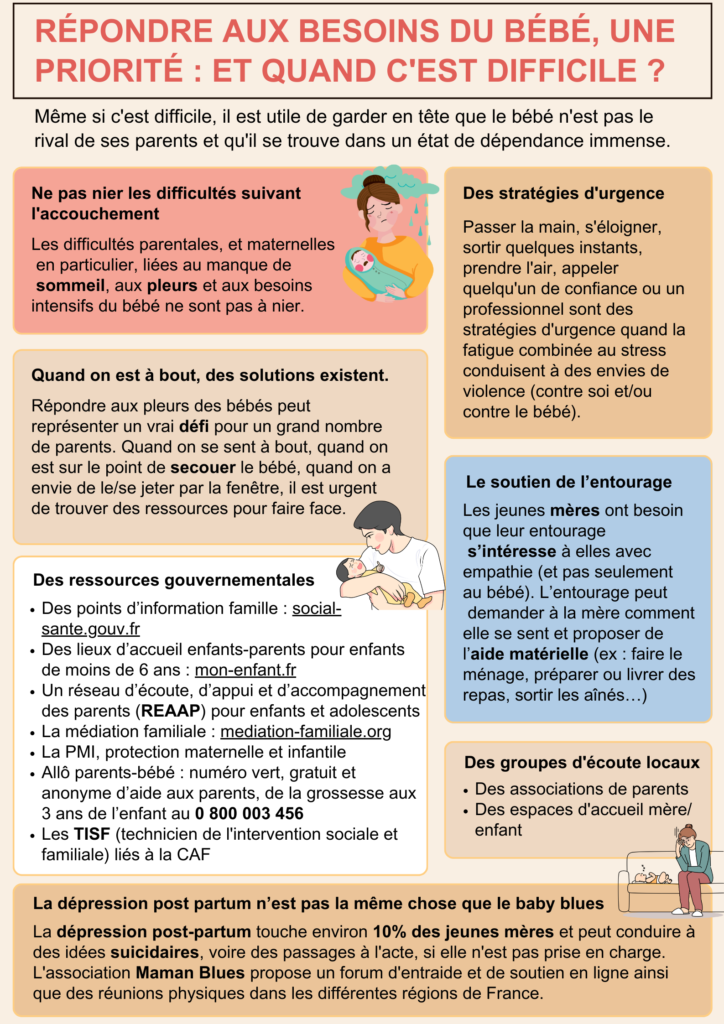
Fatigue and isolation can make answering cries feel almost impossible, because a baby's needs can compete directly with the needs of the adults caring for them. Many parents find this a real daily challenge. When you feel at your limit, when you sense you might shake the baby, or when you have thoughts of throwing yourself or the child out of a window, it is urgent to find resources to cope.

Quick takeaways
- Name the clash between your needs and your baby's; it is normal, not shameful.
- Work through a short checklist of basic needs when cries feel overwhelming.
- Never shake a baby: put them down safely and step away.
- Ask for and accept help before you reach breaking point.
- Lower your standards for housework and routines during this season.
- Seek professional support if your distress feels frequent or frightening.
Understanding why the early weeks feel so hard
Before judging yourself, it helps to name what is happening. A baby's rhythm is sustained and unpredictable, and it does not pause because you are tired. The result is a form of exhaustion that ordinary rest does not quickly fix.
Isolation makes everything heavier. When you spend long hours alone with a crying infant, small problems grow large and your patience shrinks. It is also normal for your own needs to clash with your baby's: you are hungry, you need the bathroom, you need sleep, and the baby needs you now.
Recognising this rivalry between needs is not selfish. It is simply accurate, and it is the starting point for finding real solutions rather than pretending you can pour from an empty cup.
Reading the cries and meeting basic needs
Many cries come down to a short list: hunger, a dirty nappy, tiredness, temperature, or the need to be held. Working through that list calmly, one item at a time, gives you something concrete to do instead of feeling helpless. If you are wondering whether something more serious is going on, it helps to know baby dehydration signs so you can react early.
Physical closeness often settles a baby faster than anything else. Carrying, rocking, skin-to-skin contact and a calm voice all help regulate a small child. If you are still nursing, the extended breastfeeding relationship can also become a reliable comfort tool during difficult evenings.
Some babies simply need movement and a change of scene. A short walk, a pram ride or time outdoors can reset both of you. For moments when you are stuck indoors, simple sensory play games give a baby gentle stimulation without requiring much from you.
| What you notice | Why it matters | What to do |
|---|---|---|
| Feeling close to shaking the baby | Highest risk moment | Put baby down safely, step away, call someone |
| Constant exhaustion | Lowers patience and judgement | Ask for a sleep shift from a partner or relative |
| Deep isolation | Makes small problems feel huge | Plan one short contact with another adult |
| Frequent frightening thoughts | Possible sign of postnatal distress | Speak to a health professional |
| Older children acting up | Adds daily friction | Keep routines simple, use quiet activities |
Building a support network before you break
The single most protective step is to stop trying to do this alone. Ask a partner, a relative or a friend to take the baby for an hour while you sleep, shower or simply sit in silence. Relief does not have to be long to be effective.
It also helps to plan small outings that break the isolation without demanding much energy. Time at the grandparents' house, a walk with another parent, or a quiet visit can restore your sense of being a person as well as a caregiver.
If you have older children too, practical toys can buy you precious minutes. A few car friendly toys kept in the bag, or a set of transformer toys for an older sibling, can keep everyone occupied while you tend to the baby.
What to do when you feel you are about to snap
When you notice the warning signs, put the baby down safely in the cot and step away for a few minutes. A crying baby on a safe surface is not in danger; a parent who is shaking is. Breathe, drink water, call someone.
Say out loud what you feel, even if only to yourself. Naming frustration reduces its grip. Then reach for one small practical action: open a window, change rooms, put on music, or text a friend who understands.
If these feelings are frequent or frightening, speak to a health professional. This is not a sign of failure, and help exists. If you are also managing older children's routines, keeping expectations low, as with teenage makeup choices, reduces daily friction.

Lowering the bar and protecting your own needs
During this period, good enough is genuinely good enough. Housework can wait, meals can be simple, and routines can be flexible. What matters is that the baby is fed, clean, warm and held, and that you are not running on empty.
Protect small pockets of rest. Sleep when the baby sleeps if you can, accept every offer of help, and let visitors do chores instead of holding the baby while you host them.
Finally, remember that this intensity is temporary. The first weeks and months are a season, not a permanent state. Reading about the pregnant belly or planning gentle time together reminds you that the relationship is growing, even on the hardest days.

My hands-on take
I remember standing in the kitchen at three in the morning with a baby who would not settle, and realising I had not spoken to another adult in two days. What helped most was not a clever technique but a phone call: I rang my sister, said I was struggling, and she came over the next afternoon so I could sleep. That single hour changed the week.
I also learned to put the baby down when I felt the anger rising. Walking away for two minutes felt like failure at the time, but it was the safest and kindest thing I did for both of us. If you take one thing from this, let it be permission to lower your standards and ask for help early.
Frequently asked questions
Is it normal to feel I cannot cope with my baby?
Yes, many parents feel this, especially in the first weeks when sleep is broken and support is thin. The feeling does not make you a bad parent, but it is a signal to get help rather than push through alone.
What should I do if I feel like shaking the baby?
Put the baby down safely in the cot, leave the room and take a few minutes to breathe. A crying baby on a safe surface is not in danger, and calling someone you trust is always the right move.
How do I meet my baby's needs when I am exhausted?
Focus on the basics: feeding, nappy, warmth, sleep and closeness. Keep everything else simple, accept help, and rest whenever you can rather than waiting until you are completely depleted.
Product Reviews
 Best Toys for Dogs With High Prey Drive |
Best Outdoor Toys for 3-4 Year Olds |
Best Outdoor Toys for 6 Year Olds |
Best Harness for Poodle |
Best LEGO Sets for Adults |
Best Travel Toys for 4 Year Olds on Airplane |
Best Toy Stores in Washington DC |
Best Potty Training Toys |
Best Toys for Tripod Dogs |
Maillot equipe de france







