


A family meeting in positive discipline is a short, regular moment when everyone sits down to solve everyday problems together, plan time as a family and anticipate what is coming next. It comes from Jane Nelsen's book Positive Discipline, and it is less about rules than about learning to appreciate each other and find solutions that suit both children and parents.
The idea is simple: instead of parents carrying every decision alone, the whole family contributes. Children bring problems to the agenda, suggest solutions and take on real roles, which builds autonomy, cooperation and self-discipline over time.

Quick takeaways
- Hold the meeting weekly, 15 to 30 minutes, phones and screens off.
- Let everyone add items to a shared agenda during the week.
- Open every meeting with a round of compliments and thanks.
- Search for solutions everyone accepts instead of voting.
- Always plan family time and anticipate upcoming difficulties.
- Rotate roles like chairperson and secretary among the children.
What a family meeting actually is
Jane Nelsen describes a family meeting as a regular, planned slot of roughly 15 to 30 minutes per week. Its purpose is to learn to appreciate one another positively, focus together on solutions that make daily life more pleasant, and develop the social skills each person needs to thrive.
For the meeting to work, a few conditions matter. Problems should be written on the agenda so children feel ownership of the solutions. Parents must resist taking back control when applying the rules gets difficult, because children follow rules more easily when adults step back. And the rules apply to everyone, adults included.
Why the parent's restraint matters
When a solution starts to slip, the temptation is to step in and enforce it. Doing so quietly hands responsibility back to the adult. Letting the family review what happened at the next meeting keeps the ownership where it belongs.
The four goals of the weekly meeting
Nelsen names four main objectives. The first is to appreciate, thank and compliment each other, between siblings, between parents, and between parents and children. The second is to help one another. The third is to solve everyday problems and find family solutions that suit everyone. The fourth is to enjoy time together and plan activities or outings.
That planning goal is easy to underestimate. A simple example: one parent spends Saturday afternoon with one child while the other parent is with the second child, then they swap the following week. Everyone gets dedicated attention, and nobody has to negotiate it in the moment.
If you are looking for calm, structured activities to fill those planned afternoons, a set of pretend play toys or a quick look at toys for puppies when a new pet joins the household can give you ready-made ideas that suit different ages.

| Element | What it looks like | Why it matters |
|---|---|---|
| Frequency | Once a week, 15-30 minutes | Builds a predictable habit |
| Agenda | Notes on the fridge or in a box | Children own the solutions |
| Opening | Round of compliments | Starts on a positive note |
| Decisions | Cooperative, no voting | Avoids winners and losers |
| Planning | Family time and future events | Prevents conflicts later |
What the family gains from it
The benefits reach family relationships, daily organisation and child development at once, with gains in autonomy, cooperation and self-discipline. Adults and children are both meant to come away with something.
Children learn to express gratitude and to spot positive points in others. Mistakes become opportunities to learn, repair and do better next time. Mutual respect grows because everyone is consulted, every opinion counts and the whole family cooperates.
Family conversations also get richer when children's proposals are taken seriously. Their creativity gets room, they feel listened to and valued, and they are genuinely involved. That same spirit of listening carries into other areas, whether you are helping a child stay motivated with the 5C rule or simply answering a curious question such as palm oil in breast milk.
Setting up the meeting: ground rules
Choose a regular weekly slot and protect it: phones and television off, no interruptions. Put the 15 to 30 minutes in everyone's calendar so it is a real appointment rather than an intention.
Build the agenda together. Each person writes what they want to raise on a sheet stuck to the fridge, or drops a note into a dedicated box during the week. Pick a place without distractions within reach, and aim for a mutual, cooperative decision process rather than a vote.
Why voting is discouraged
A vote creates winners and losers, and the losing side disengages. Searching for a solution everyone can live with takes longer but keeps cooperation intact.
Practical family logistics often feed the agenda too, from arranging care during a hip sprain to sorting out weekly pay schedules that affect who is home when.
How a meeting unfolds, step by step
Start by defining roles: a chairperson and a secretary, with children taking every role in turn. Then open with a round of compliments, where each participant thanks or praises every other participant for something specific from the past week.
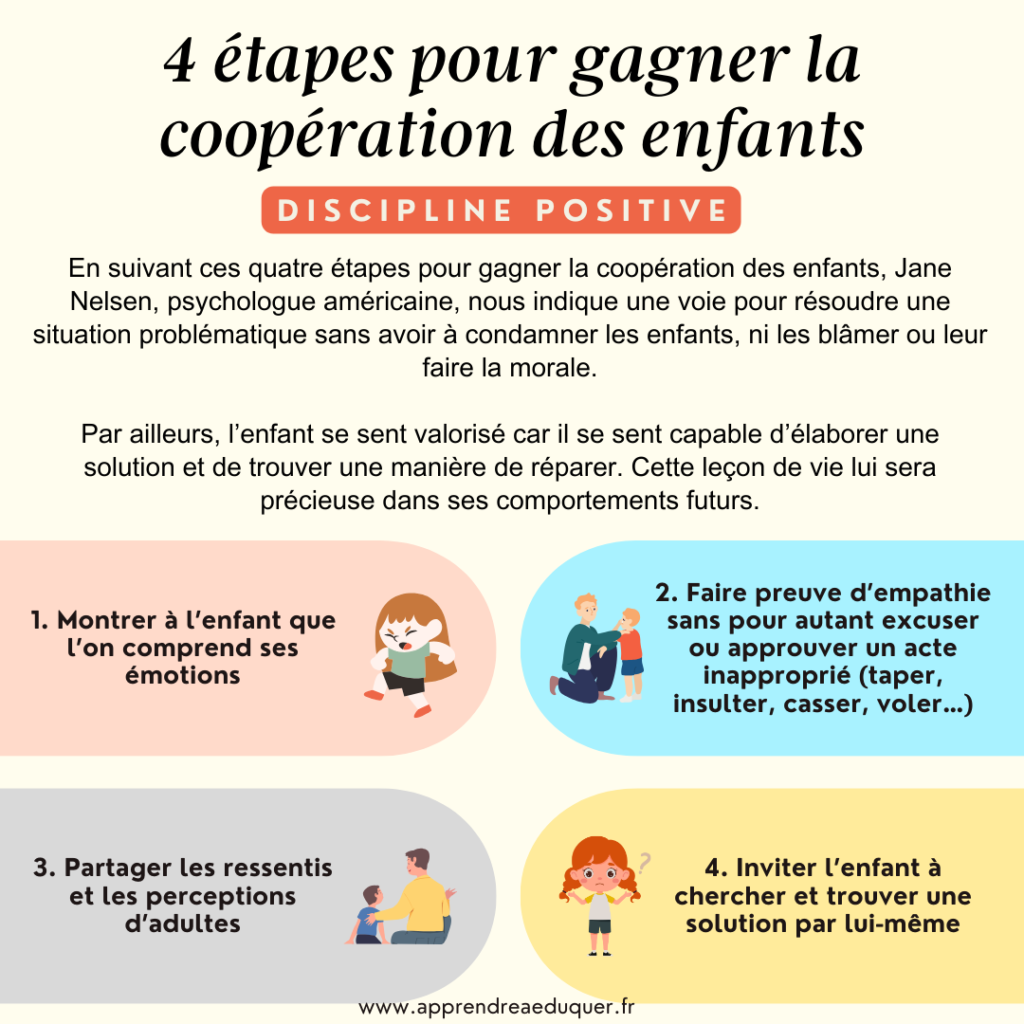
Move on to the agenda, following the complaints and wishes each member raised during the week. Search for solutions using the four steps for gaining children's cooperation, and always include a slot for planning dedicated family time. Nelsen points out that these moments simply do not happen unless they are anticipated and scheduled, given how busy everyone is.
Finish by anticipating upcoming difficulties and imagining how to avoid them, which builds cooperation and shared enjoyment. Holidays are a classic example: what could spoil the children's pleasure, and what could spoil the parents'? A little forward planning, whether for a New Year's Eve gathering or a El Jerte trip, saves a lot of friction later.
Keeping the habit alive over the months
The format only pays off if it survives the novelty phase. Keep the agenda visible all week so small irritations get captured while they are fresh, and rotate the chairperson so no single person carries the meeting.
Some weeks will be short and flat, and that is fine. A five-minute round of compliments still counts. What matters is that the meeting stays a place where problems are named without blame and where children see their ideas turn into decisions.
Over time, this habit supports the wider work of parenting, from managing a lice life cycle scare without panic to keeping perspective on bigger questions, as César Bona reminds us about teaching and growing as people.


My hands-on take
When I first tried this at home, I made the classic mistake: I treated the meeting as a place to announce decisions I had already made. The children spotted it immediately and the whole thing felt like a school assembly. What changed things was the agenda on the fridge. Once their notes started appearing there, they arrived at the table with proposals instead of complaints, and I had to bite my tongue more than once to let a mediocre solution stand.
My practical tip is to keep the first meetings very short and very positive. Do the compliments, pick one small problem, and stop before anyone gets restless. The planning part is what my family ended up loving most, because it turned vague intentions into actual afternoons together.
Frequently asked questions
How long should a family meeting last?
Around 15 to 30 minutes once a week is the suggested range. Shorter meetings still work if the compliment round and one agenda item are covered.
Should children really run parts of the meeting?
Yes. Children can and should take on the roles of chairperson and secretary, rotating each time. It gives them responsibility and keeps them engaged.
Why avoid voting on solutions?
Voting creates a winning side and a losing side, and the losing side tends to disengage. A cooperative search for a solution everyone can accept keeps the family working together.
What if a solution stops working during the week?
Note it for the next agenda rather than stepping in to enforce it. Reviewing it together keeps responsibility with the children and the family as a whole.
Product Reviews
 Best Toys for Dogs With High Prey Drive |
Best Outdoor Toys for 3-4 Year Olds |
Best Outdoor Toys for 6 Year Olds |
Best Harness for Poodle |
Best LEGO Sets for Adults |
Best Travel Toys for 4 Year Olds on Airplane |
Best Toy Stores in Washington DC |
Best Potty Training Toys |
Best Toys for Tripod Dogs |
Maillot equipe de france







