


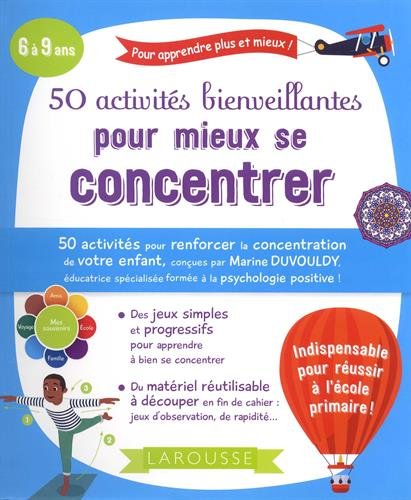
Concentration activities for kids work best when they feel like play rather than work. This collection of fifty kind, positive-education games helps children aged six to nine train their memory, manage distractions and discover the calming power of breathing, all through short, ready-to-use exercises.
The activities cover listening and visual attention, body awareness, relaxation and memory, and several come with cut-out card games to keep. Teachers and parents can pick one up in minutes, for example right before homework, and guide a child toward the present moment with heart, body and head working together.

Quick takeaways
- Attention receives information through the senses; concentration uses it to complete a task.
- Fifty playful activities are organized around five pillars, from senses to sustained focus.
- Sessions work best just before homework or as a calm transition between activities.
- Yoga, breathing and visualization help children release tension and recenter.
- Three cut-out card games make the material reusable at home or in class.
- The approach suits children aged six to nine and favors cooperation over competition.
Attention and Concentration: What Is the Difference?
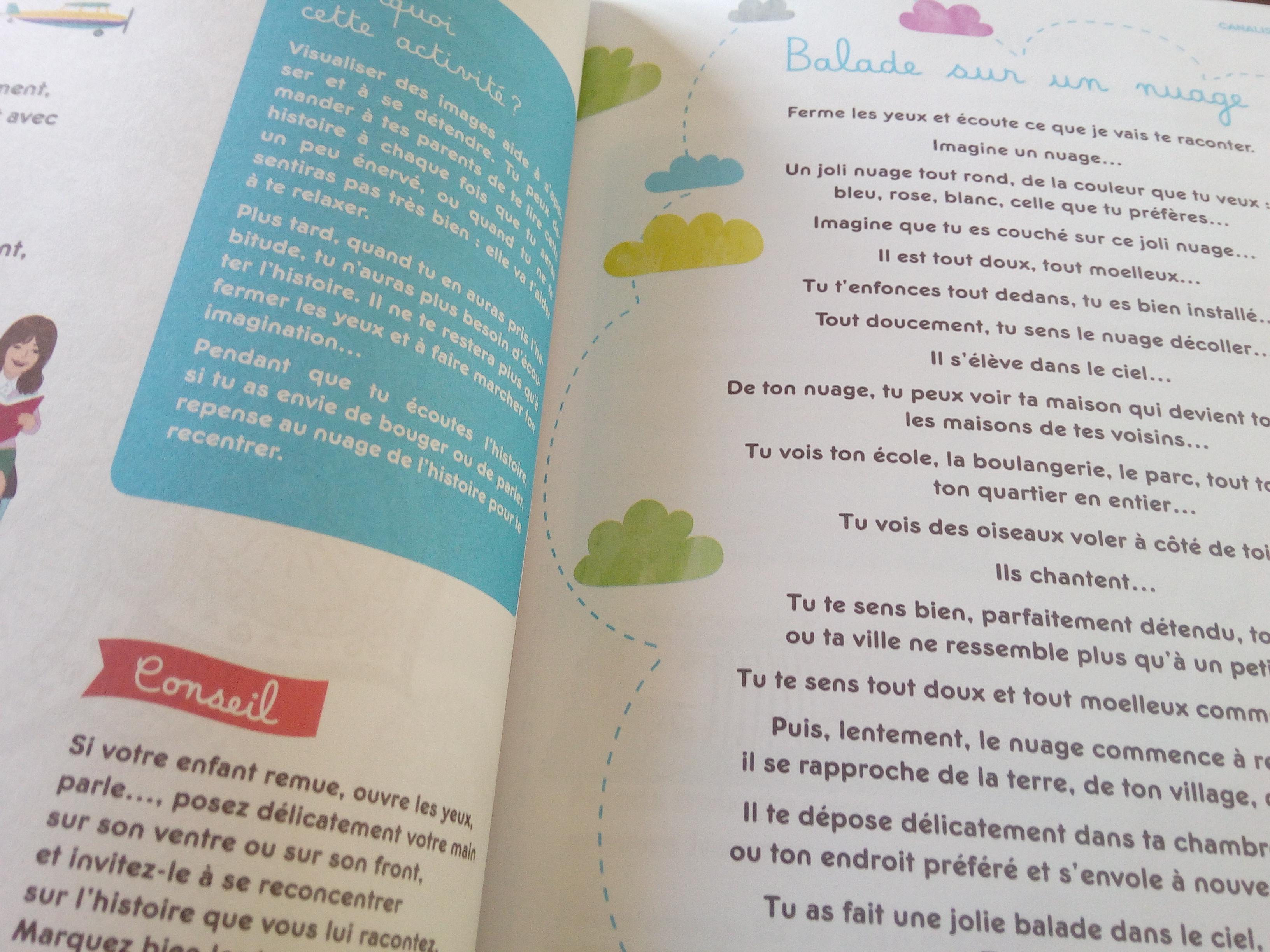
Before diving into the games, it helps to understand a key distinction. Attention is an act of receptivity: it is how a child receives information through the five senses. Being attentive means looking, listening, touching, tasting and smelling so that new information comes alive in the mind.
Concentration is the opposite gesture: an act of output, where the child accomplishes a task. It isolates awareness from distractions and, in doing so, supports memorization. Explaining this simply to a child gives them a vocabulary for what their brain is doing, much like understanding brain priority shifts helps parents make sense of their own focus.
Why the Present Moment Matters
The book sensitizes children to the importance of the present moment, of breathing, of recentering and of the energy carried by emotions. Every activity engages the heart, the body and the head at once, drawing on mental management, the Vittoz method, yoga and mindfulness.

Mastering the Senses and Knowing the Body
The first two pillars invite children to explore the world through their senses. Auditory games ask them to listen to a sound and guess which object produced it, while visual games show an image, hide it, then ask for a description. Games on textures and smells round out this sensory work, and they pair naturally with books about colors for younger siblings, while affordable sensory toys keep the fun going.
Body awareness comes next, with group gesture reproduction, balance games and mimes. The mirror game, where one child copies another's movements, is a favorite because it requires total focus without any pressure. These physical challenges also build group cohesion, which matters as much as academic skills.
Relaxation Through Yoga
Simple yoga postures give children a tool to release tension before a demanding task. A short session can reset the mood of a whole room, much like a change of scenery on rainy day activities refreshes an afternoon indoors. A calm body also helps at bedtime, as these sleep tips explain.
| Pillar | Goal | Example activity |
|---|---|---|
| Mastering the senses | Receive information clearly | Guess the sound, describe a hidden image |
| Knowing the body | Build body awareness | Mirror game, balance games, mimes |
| Channeling energy | Calm and recenter | Mandalas, meditation, self-massage |
| Staying attentive | Hold focus on a rule | Seek-and-find, Simon Says, silence games |
| Maintaining concentration | Sustain effort over time | Memory, non-dominant hand writing, meditative walk |
Channeling Energy and Staying Attentive
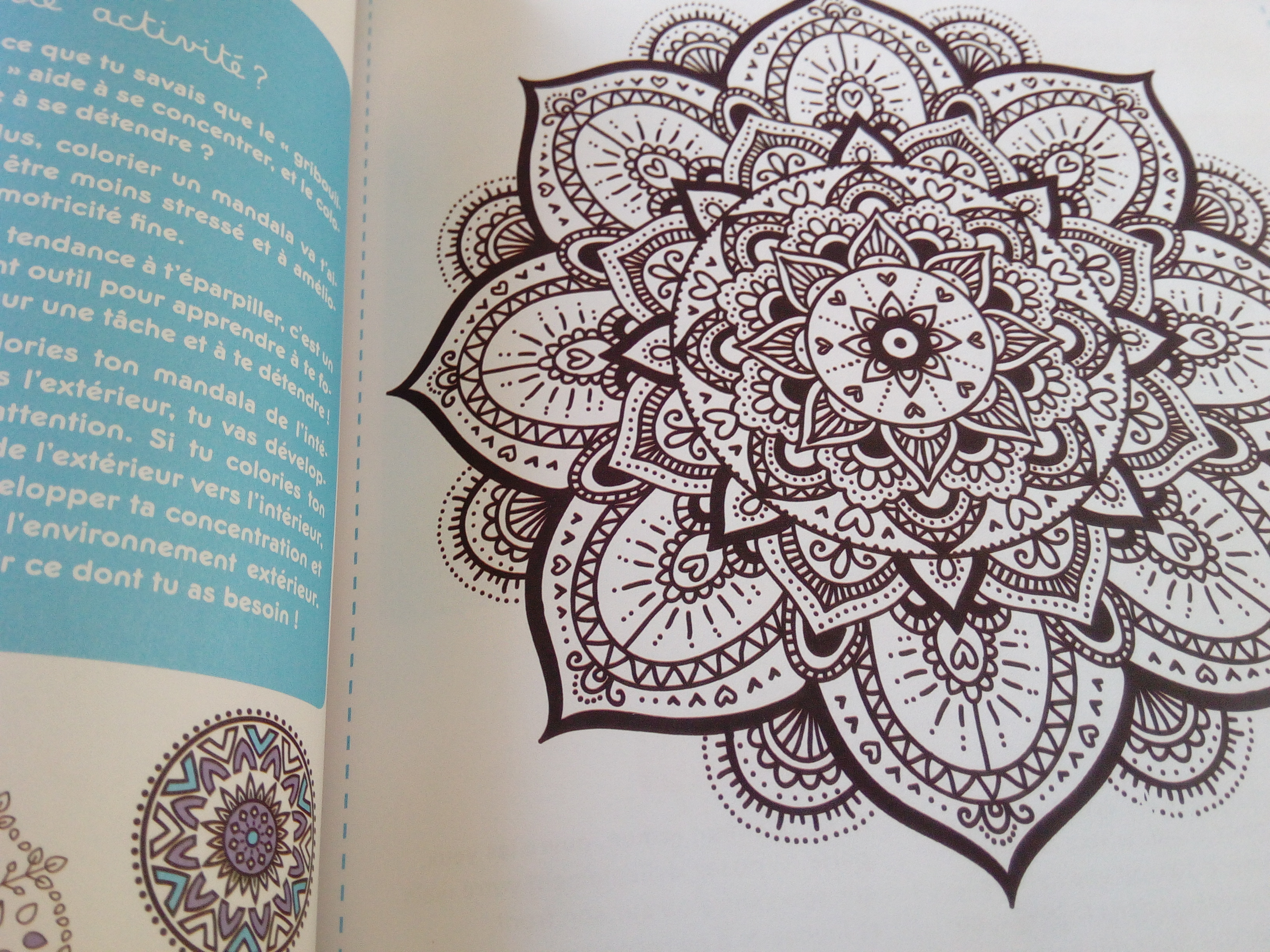
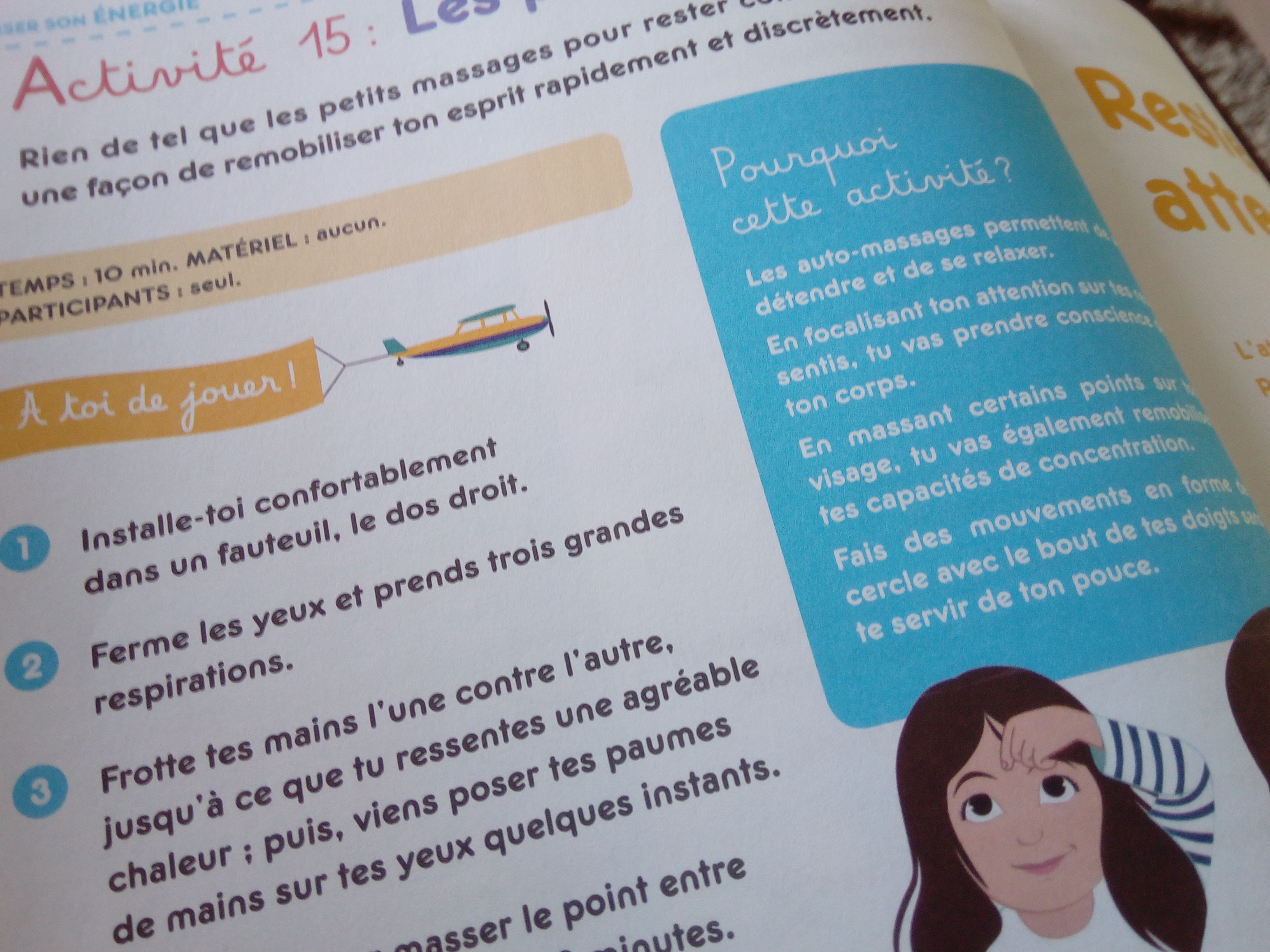
The third pillar channels energy: coloring mandalas, a short meditation, a visualization session or self-massage. These calm-down rituals are especially useful after active play, and they work well alongside everyday routines such as diaper removal for the youngest in the family, where patience and rhythm matter.
Staying attentive is trained through spot-the-difference and seek-and-find games, finding a missing object in a collection, or restoring the order of displaced items. Silence games and instruction games like Simon Says teach children to hold a rule in mind while acting, a skill that transfers directly to the classroom.
Cooperation, Not Competition
All activities are presented in a playful way that creates a positive atmosphere of cooperation. Several can serve group cohesion and bonding, such as greeting games or the guide-and-the-blindfolded-partner game.
Maintaining Concentration and Building Memory
The final pillar stretches focus over time. Children manage a double progression, follow increasingly difficult instructions, play memory, write with their non-dominant hand or take a meditative walk. These are gentle challenges that grow with the child, echoing the patience needed for breastfeeding on demand in the early years.
Because the activities are described completely and accessibly, they are ready to use. A parent can open the book five minutes before homework, and a teacher can slot one into a transition. The detachable material at the back includes three different card games to cut out and keep.
Who the Book Is For
The book targets children aged six to nine and suits both classroom and home. Its influences range from mental management to mindfulness, giving adults a flexible toolkit rather than a rigid program.
Tips for Making These Games Work at Home
Consistency beats duration. A five-minute sensory game repeated daily does more for focus than a long session once a week, and it fits easily around other family rhythms, from screen time limits to bedtime stories.
Keep the tone light and cooperative. If a child loses interest, switch activities rather than pushing, and let them choose from the five pillars. Preparing the card games together beforehand builds anticipation and ownership, and the same playful spirit carries over to toys under twenty dollars that reward patience. For seasonal variety, try these snow games too.
Finally, model the behavior. When you breathe slowly or describe what you hear, you show the child that attention is a skill adults practice too, not a test they must pass.


My hands-on take
I started using these games with my own child right before homework, and the shift was noticeable within a week. Instead of nagging, I now say "let's do one listening game" and we spend three minutes guessing sounds around the house. By the time we sit down at the table, the fidgeting has faded and the mood is lighter.
The mirror game became an instant favorite during family gatherings, because cousins of different ages can play together without anyone losing. What I appreciate most is that nothing requires preparation or special purchases: a few minutes, a calm voice and a willingness to play are enough to turn a scattered moment into a focused one.
Frequently asked questions
What age group are these concentration activities for?
The book is designed for children aged six to nine. Younger children can join simpler sensory games with adult help, while older kids enjoy the memory and double-progression challenges.
How is attention different from concentration?
Attention is receiving information through the five senses, while concentration is the act of using that information to accomplish a task. Understanding both helps children name what their brain is doing.
Can these games be used in the classroom?
Yes, the activities are described in a complete, ready-to-use way for teachers and parents alike. Many also support group cohesion, making them useful during transitions or cooperative sessions.
Do I need special equipment?
No. Most activities use everyday objects, and the book includes detachable material with three card games to cut out and keep for repeated use.
Product Reviews
 Best Toys for Dogs With High Prey Drive |
Best Outdoor Toys for 3-4 Year Olds |
Best Outdoor Toys for 6 Year Olds |
Best Harness for Poodle |
Best LEGO Sets for Adults |
Best Travel Toys for 4 Year Olds on Airplane |
Best Toy Stores in Washington DC |
Best Potty Training Toys |
Best Toys for Tripod Dogs |
Maillot equipe de france







