


Slow parenting is the idea that deliberately slowing down daily life can make family relationships deeper, richer and stronger. Many of us have turned every moment of every day into a race to the finish line, rushing through work, meals, school and even bedtime.
Carl Honoré, author of books on the slow movement, argues that there is also a "good slowness". Good slowness means taking time to eat a meal with your family with the television off, or looking at a problem from every angle before deciding.

Applied to children, this approach invites parents to step back from the constant rush and rediscover the value of unhurried moments together.
Quick takeaways
- Speed has become the default in work, school and family life, but it is a choice.
- "Good slowness" means being fully present, not doing less.
- A packed schedule can leave children without the spark of creativity and dreams.
- Small rituals, like a bedtime story at your child's pace, can transform connection.
- Slowness supports deep learning and focus in play and daily tasks.
- Start with one protected, screen-free moment each day.
Why have we become so fast?
Honoré asks a simple question: how did we become so fast, and is it possible, or even desirable, to slow down? He looks at work, food, medicine, sex and school through the lens of slowness, showing how speed has quietly become the default in almost every area of life.
The slow movement does not reject efficiency. It simply reminds us that speed is not always a virtue. Reading about ice cream facts or choosing toys for babies can wait five minutes; being present with your child cannot be postponed forever.
Sometimes the rush is not really about time at all. As one parent of a child with autism put it, what children need most is acceptance, not speed.
The myth of the perfect child
On education, Honoré offers a warning. Some children have wonderful grades and CVs full of extracurricular activities, yet they lack the spark, the ability to think creatively and outside the box. In his words, they do not know how to dream.
A packed schedule can look impressive while leaving no room for boredom, imagination or rest. Even sleep suffers when every evening is booked; if bedtime has become a battle, it is worth asking whether the day was simply too full, and our guide on child sleep tips can help you reset the routine.
Room to dream
Slowness gives children space to think for themselves. It also lets parents notice what is really going on, rather than only ticking off the next item on the list.

| Rushed habit | Slow alternative | What it builds |
|---|---|---|
| Checking emails during stories | Phone and computer off | Undivided attention |
| Rushing bedtime | Reading at the child's pace | Open conversation |
| Overfilling the schedule | Leaving free, unscheduled time | Creativity and rest |
| Eating in front of the TV | Family meal with screens off | Connection and presence |
| Hurrying a slow task | Letting the child finish | Patience and confidence |
The bedtime story that changed everything
Honoré describes going into his son's bedroom at the end of the day without a watch, shutting his computer so he cannot hear incoming emails, and slowing down to his son's rhythm to read together.
After about ten minutes into a story, his son would suddenly say something had happened in the schoolyard that had upset him, and a real conversation would begin. Before, bedtime stories were just another box on his to-do list, something he dreaded because it was so slow; now they are his reward at the end of the day.
This is the heart of slow parenting: the same activity, done at a different pace, becomes a doorway to connection. A calm, familiar ritual such as reading or playing with bath toys can open the same door.
Slowness as a foundation for learning
Slowness is not the opposite of learning. The Montessori pillars rest on observation and letting a child set the pace, which is exactly what rushed adults tend to override. A child who is allowed to concentrate without interruption learns more deeply than one who is hurried along.
Play works the same way. Building with bricks, sorting pieces or following a long project teaches patience, and even a simple task like sorting LEGO bricks becomes a lesson in focus when nobody is watching the clock.
Letting children lead
When we slow down, we notice what our children are actually interested in, whether that is toys for car lovers or a martial art they want to try. Following their curiosity, rather than our schedule, is where real engagement begins.
Making slowness practical at home
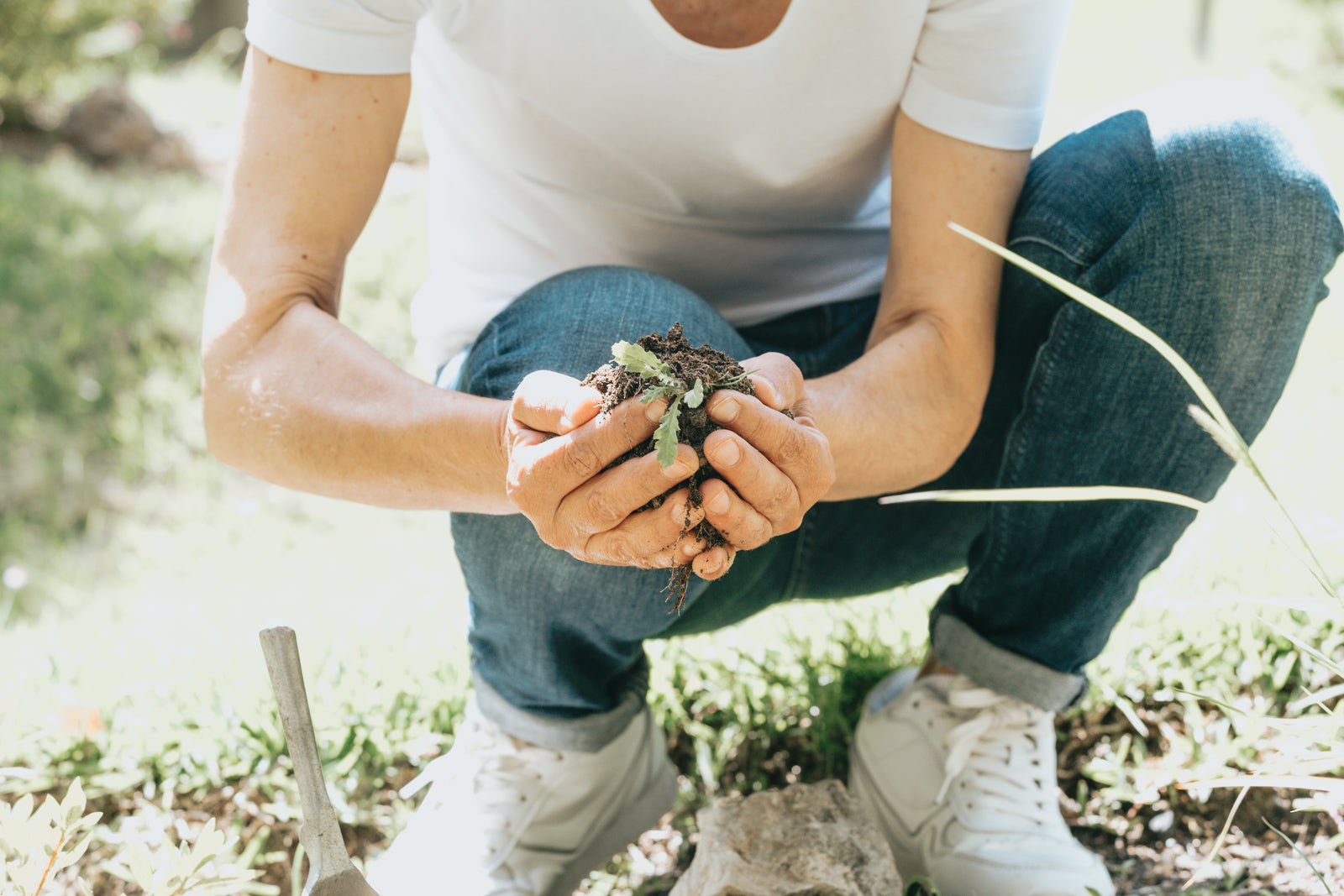
Slowness does not require a radical life change. It starts with small, protected moments: a meal without screens, a walk without a destination, a story read at the child's pace rather than yours.
It also means accepting that some things take longer than we would like. A baby who needs milk for daycare or a toddler learning to dress themselves will not be hurried, and trying to hurry them only creates friction for everyone.
Honoré's message is ultimately simple: take the time to slow down and savour your life. The relationships we build in those unhurried moments are the ones that last.
My hands-on take
I tried this almost by accident one evening when I left my phone in the kitchen before going up to read with my daughter. Without the little buzz of notifications, I found myself actually following the story instead of planning the next task in my head.
She started talking about a disagreement with a friend, something she had not mentioned all week. Nothing dramatic happened, but the conversation would never have started if I had been watching the clock. Now I try to protect that half hour, and I notice the difference on the evenings when I do not.
Frequently asked questions
What is slow parenting?
Slow parenting is an approach that deliberately reduces the pace of daily family life. It focuses on being present and unhurried rather than filling every moment with activities or tasks.
Does slowing down mean children learn less?
No. Slowness gives children room to concentrate, imagine and think creatively. Rushed schedules often leave little space for the deep focus that real learning requires.
How can I start slowing down as a parent?
Begin with one small, protected ritual, such as a screen-free family meal or a bedtime story read at your child's pace. Consistency matters more than grand changes.
Is slow parenting only for young children?
The principle works at any age. Teenagers also benefit from unhurried conversations and from parents who are genuinely available rather than distracted.
Product Reviews
 Best Toys for Dogs With High Prey Drive |
Best Outdoor Toys for 3-4 Year Olds |
Best Outdoor Toys for 6 Year Olds |
Best Harness for Poodle |
Best LEGO Sets for Adults |
Best Travel Toys for 4 Year Olds on Airplane |
Best Toy Stores in Washington DC |
Best Potty Training Toys |
Best Toys for Tripod Dogs |
Maillot equipe de france







