


Learning to succeed is not about pushing harder; it is about giving children the right mental tools and the confidence to use them. This article walks through seven practical points drawn from the work of Antoine de la Garanderie on how children learn, translated into everyday family life.
Each point is something you can try at home, in the car, or at the kitchen table. None of it requires special equipment or extra lessons. It simply asks you to slow down, listen, and treat your child as a partner in figuring out how their own mind works.

Quick takeaways
- Begin with your child's own questions and interests.
- Slow down to observe, listen and wonder together.
- Ask questions that support thinking, understanding and memory.
- Avoid labels and casual put-downs; show the path instead.
- Communicate trust in their abilities at every age.
- Model curiosity and keep routines calm and realistic.
1. Start from your child's questions and interests
Everyday moments are the best openings for conversation. If a child is fascinated by a flower, a bug or a passing train, that curiosity is a doorway. Ask what they notice, then gently help them hold the image in their mind after they close their eyes.
The phrase "put it in your head" is deliberately neutral, because the child chooses the mental image. Some children see the flower, some hear words about it, and some remember the feel or scent. Offer the options and let them pick what suits them best.
Keep it playful and never forced, repeating the idea of "in your head" so the child notices the difference between the real flower and their own image of it. This same patient, observant approach works well when you Montessori housework together and let them lead the steps.
2. Take time to listen, observe and wonder
Our admiration and enthusiasm encourage children to progress. Try to look at them as if for the first time, recovering the fresh gaze you had when they took their first steps. It does not need to be every day, but even once will show you the value of a more available, attentive quality of listening.
Listening also means asking questions that support thinking, understanding, imagining and remembering. "How would you go about remembering this?" or "Where will you need it?" invites the child to plan rather than simply absorb. When a child struggles to connect with peers, this same patient questioning helps you peer interaction ASD situations with care.
These conversations teach children about their own mental processes. They learn how they think, which is the foundation of independent study.

| Mental action | What you can say | What it builds |
|---|---|---|
| Thinking | What do you already know about this? | Reflection |
| Understanding | Where did you hear this before? | Meaning-making |
| Imagining | How would you explain it to a friend? | Flexible thinking |
| Remembering | How will you recall this tomorrow? | Memory planning |
| Resting | Let's pause and come back later. | Focus and calm |
3. Give them the means to carry out mental actions
Labels and casual put-downs, however small, do not help children think. "You are useless at maths" or "just think a bit harder" closes the door rather than opening it. What helps is showing the path toward the mental action and walking alongside the child as they attempt it.
We describe certain mental habits, but children can acquire many others. Our role is to show them the huge range of their own mental universe, not to lock them into one method. A calm tone matters as much as the words, the same patience that helps when you cruel at six and need to guide without shaming.
4. Communicate the confidence you have in them
If we trust them, children learn to trust themselves. What they most need is our certainty about their abilities, whatever their age. That certainty is built through the time we spend observing and talking with them.
When a child feels judged, confidence shrinks, and the same is true for us as parents. It helps to notice the mothers judge themselves and let go of harsh self-criticism, because our own calm feeds theirs. A child who senses belief from us is far more willing to attempt a difficult task.
Confidence is not empty praise. It is the quiet message that effort is worth it and that a setback is information, not a verdict.

5. Make room for play and hands-on discovery
Play is one of the most natural ways children build mental images and test ideas. Building, sorting and pretending all exercise the same mental actions described above. A simple construction toy can teach planning and patience, and even questions like how tall Lego bricks are can become a gentle lesson in measuring and estimating.
Choose materials that match your child's stage rather than their age alone. If you are unsure where to start, these learning toys three year olds offer ideas that support exploration without overstimulating. The point is not the object but the thinking it invites.
Keep sessions short and let the child decide when to stop. A toy abandoned happily is still a success.
6. Keep routines calm and expectations realistic
Children learn best when they are rested, fed and not rushed. A predictable rhythm around homework, meals and bedtime does more for concentration than any clever technique. Small routines, repeated gently, free up mental energy for actual learning.
Watch for signs of overload and scale back when needed. If a child is anxious, the priority is reassurance, not more exercises. The same care applies to family life in general, whether you are managing baby first days or navigating a busy school term with an older child.
Realistic expectations protect the relationship, which is what makes long-term learning possible.
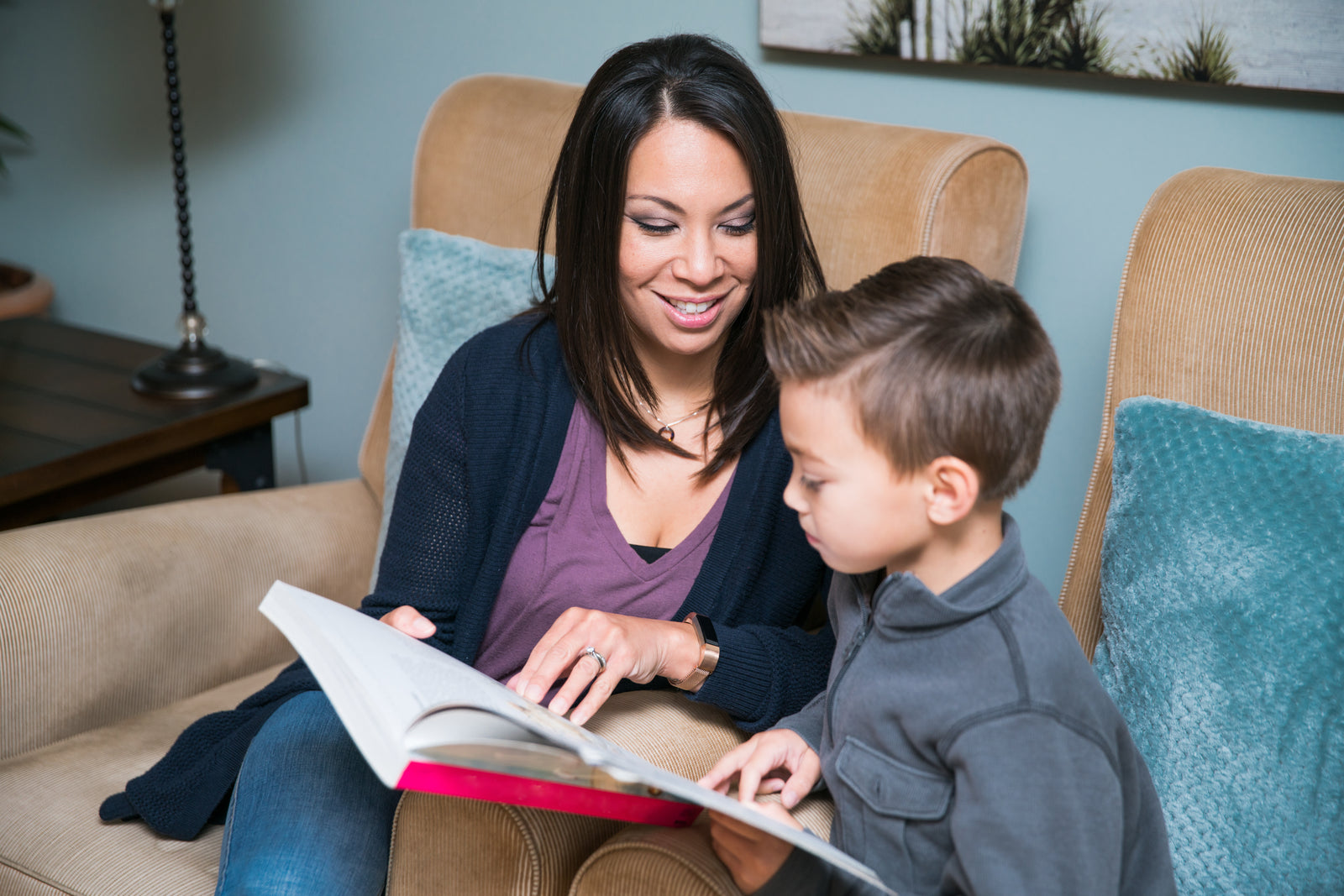
7. Model curiosity and keep learning yourself
Children copy what they see. If you ask questions, wonder aloud and admit when you do not know something, you show that learning is a lifelong habit rather than a school chore. Share what you are curious about and let them see you try, fail and try again.
This modelling also means choosing the right battles. Guidance works better than pressure, and pressure rarely works at all, as the pitfalls of parental blackmail make clear. When a child feels respected, they are more willing to engage.
Curiosity is contagious. The more you show it, the more your child will too.
My hands-on take
I tried the flower exercise with my own child after a walk, and I was surprised by how naturally she closed her eyes and described what she saw. She chose colours and shapes, not words, which told me something about how she remembers. Since then I have asked her more often how she plans to remember something, and the answers are usually better than my suggestions.
What helped most was slowing down and resisting the urge to correct her. The small shift from telling to asking changed the mood of our homework time entirely.
Frequently asked questions
What does "learning to succeed" actually mean?
It means helping children understand how their own mind works, so they can plan, focus and remember more independently. The emphasis is on mental tools and confidence rather than pressure or extra lessons.
How do I start if my child resists?
Begin with something they already love and keep it playful, never forced. A short conversation about a flower or a favourite toy is enough to introduce the idea of holding an image in the mind.
Is this only for school-age children?
No. The same patient listening and questioning works with toddlers and teenagers alike. What changes is the vocabulary you use, not the underlying approach.
How much time does this take?
Very little. Most of it happens inside ordinary moments, like a walk or a meal, rather than in a dedicated session.
Product Reviews
 Best Toys for Dogs With High Prey Drive |
Best Outdoor Toys for 3-4 Year Olds |
Best Outdoor Toys for 6 Year Olds |
Best Harness for Poodle |
Best LEGO Sets for Adults |
Best Travel Toys for 4 Year Olds on Airplane |
Best Toy Stores in Washington DC |
Best Potty Training Toys |
Best Toys for Tripod Dogs |
Maillot equipe de france







