


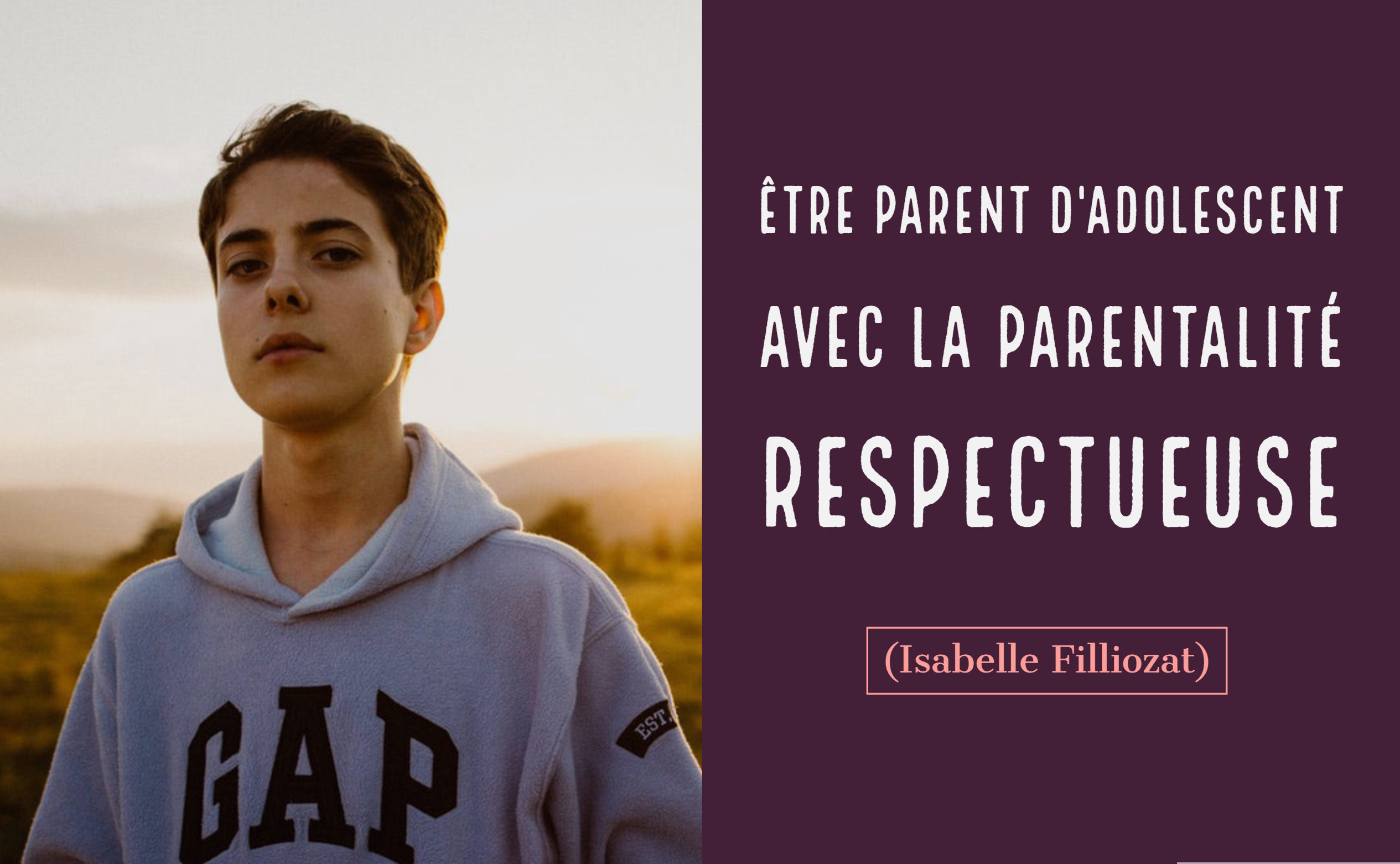
Respectful parenting for teenagers starts with a simple shift: the goal is not to control a young person who is preparing to leave, but to stay a steady, loving base while they practise becoming themselves. Adolescence is a transition for parents too, and much of the work happens inside us before it ever reaches the conversation.
This guide looks at how your own teenage years shape your reactions, how to handle the feeling of being less needed, how to channel anger and stress, and why listening is the most useful power you have. None of it requires perfection, only awareness and a little practice.

Quick takeaways
- Your own teenage years shape your reactions; heal them to stay calm
- Feeling less needed is normal, and it is a chance to grow
- Notice stress early and pause before you speak
- Fill your own emotional tank so you can fill theirs
- Stay the aircraft carrier: available, warm, present
- Listen and reflect rather than solve or correct
Healing your own story first
Your teenager's adolescence will bring back your own, whether you notice it or not. The way you were treated at that age colours how you respond to your child today, and if something was missing back then, you can now give it to yourself as an adult. That is not self-indulgence; it is what makes a calm presence possible.
One simple route is to write a letter to the teenager you once were, letting difficult emotions surface and reconnecting with how adolescence actually feels from the inside. Another is to talk with your own parents about feelings you kept quiet at the time. Parents who carry unhealed wounds tend to react sharply to behaviour they judge inappropriate, simply because it touches an old bruise.
This inner work also changes how you handle the everyday. If a child's small habits already test your patience, the same imaginary friend question or a sudden change of plan can tip you over. Knowing your own triggers is the first tool in the box.
Facing the feeling of being less needed
It can hurt to watch your teenager thrive with friends and find happiness away from you. Many parents read that as uselessness or powerlessness, and the loss of control that comes with it turns quickly into worry. From there, two unhelpful strategies appear: tightening control over the teenager, or making them carry anxieties that belong to the adult.
In reality, both sides are asking the same question. The adolescent is working out who they are, and so are you, which makes this a good moment to find meaning outside parenting and to build emotional and relational skills. That search for identity runs in parallel, not in opposition.
It is also the moment to look after your own life, whether that means revisiting pregnancy brain changes you never processed or simply rediscovering interests that have nothing to do with school runs. Looking back can also help you appreciate the first three years and how far you have both come, or even enjoy planning festive family looks together.
| Situation | Reflex reaction | Respectful response |
|---|---|---|
| Teenager withdraws | Question and control | Stay available and listen |
| You feel angry | Speak immediately | Pause, breathe, drink water |
| They reject your taste | Criticise choices | Let them explore options |
| They change their mind | Push your view | Reflect their thinking back |
| You feel useless | Tighten the grip | Refill your own tank |
Tools for channelling anger and stress
A stressed parent of a teenager is far more likely to overreact, and overreaction can slide into shouting, harsh punishments or physical gestures nobody wants. The answer is not more willpower but a set of small emotional tools you can reach for before things escalate.
What to practise
Start by noticing the sensations and emotions in your body: "I am under stress and if I speak now it will blow up" is a signal to take a pause and let your brain recover. Add self-empathy, naming the need and saying yes to it out loud. Then use simple techniques to channel anger and stress, such as drinking a glass of water, walking, looking at greenery or breathing out slowly.
Fill your own emotional tank with pleasant activities and contact with people you love, and find support groups where you can talk. Parents who look after themselves also find it easier to keep perspective on ordinary family life, from funny kid phrases to the chaos of a shared holiday.
Staying the aircraft carrier they need
The image of the aircraft carrier describes the attitudes that support a teenager's emotional development: giving affection, filling the tank, providing a safe rear base, and being there for them and with them. Time spent together tells your teenager they are interesting and important, and worth being accepted and loved.
That can look like being available and listening, giving signs of attention and love, offering tenderness and touch, or at least a smile and a loving attitude when touch is refused. It can also mean doing things side by side, playing board games, doing sport or shopping together, and being quietly dazzled by the beauty of their life.
Teenagers often reject parents who pretend, who control, or who want contact in front of friends, yet they will accept tenderness in a calm moment that invites exchange. Special occasions help, whether a teenage gift or a family celebration, because they create that quiet space naturally.

Using the power of listening
Teenagers need listening far more than they need solutions. Welcoming the good and the bad with the same attention and the same emotional stability is a real resource, because stability keeps you in relationship and recognition rather than in overreaction, criticism or punishment.
Listen to your teenager think, and guide that thinking by reflecting their ideas back. Let them change their mind, double back, explore new options and try out hypotheses. They only dig into a position when the adults around them try to change their mind at all costs, look horrified, or criticise their tastes and choices.
Adolescence is a period of exploration, and the more room teenagers get to explore calmly, the less they need to push against you. The same patience serves you with younger children too, whether you are handling a water fear or answering a tricky question about teenage masturbation. It also helps to remember that children improve our lives rather than upend them, and that books about democracy can open calm conversations about big questions.

My hands-on take
I learned the pause the hard way. For a long time, when one of my children came home in a mood, I would jump straight in with questions and fixes, and the conversation would collapse within a minute. What changed things was boring and small: I started saying, "I am too wound up to talk well right now, give me ten minutes," and then actually taking them.
I also wrote that letter to my teenage self, and I was surprised by how much of my irritation at my own children belonged to old stuff that had nothing to do with them. None of this made me a perfect parent. It made me a slower one, and slower turned out to be exactly what the moment needed.
Frequently asked questions
Why does my teenager push me away?
It is usually a normal part of becoming independent rather than a rejection of you. Teenagers often refuse contact in front of friends but accept tenderness in a calm moment at home.
What should I do when I feel angry at my teenager?
Notice the physical signs of stress first and give yourself a short pause before speaking. Drinking water, walking or breathing slowly helps you respond instead of reacting.
Should I give advice when my teenager has a problem?
Listen first and reflect their ideas back rather than offering solutions straight away. They usually need space to think out loud more than they need an answer.
Product Reviews
 Best Toys for Dogs With High Prey Drive |
Best Outdoor Toys for 3-4 Year Olds |
Best Outdoor Toys for 6 Year Olds |
Best Harness for Poodle |
Best LEGO Sets for Adults |
Best Travel Toys for 4 Year Olds on Airplane |
Best Toy Stores in Washington DC |
Best Potty Training Toys |
Best Toys for Tripod Dogs |
Maillot equipe de france







