


House cleaning with kids is never truly finished, and that is completely normal. Crumbs from the afternoon snack, a spilled glass of juice, muddy footprints brought home from school — they are all part of the scenery.
Instead of trying to control everything, a simpler approach works better: a realistic organisation, tasks shared according to age, and tools suited to each kind of mess. Here is a practical method designed for real families rather than show homes.

Quick takeaways
- Give children chores suited to their age, always without electrical appliances.
- Show the gesture first, accept imperfection and praise effort over results.
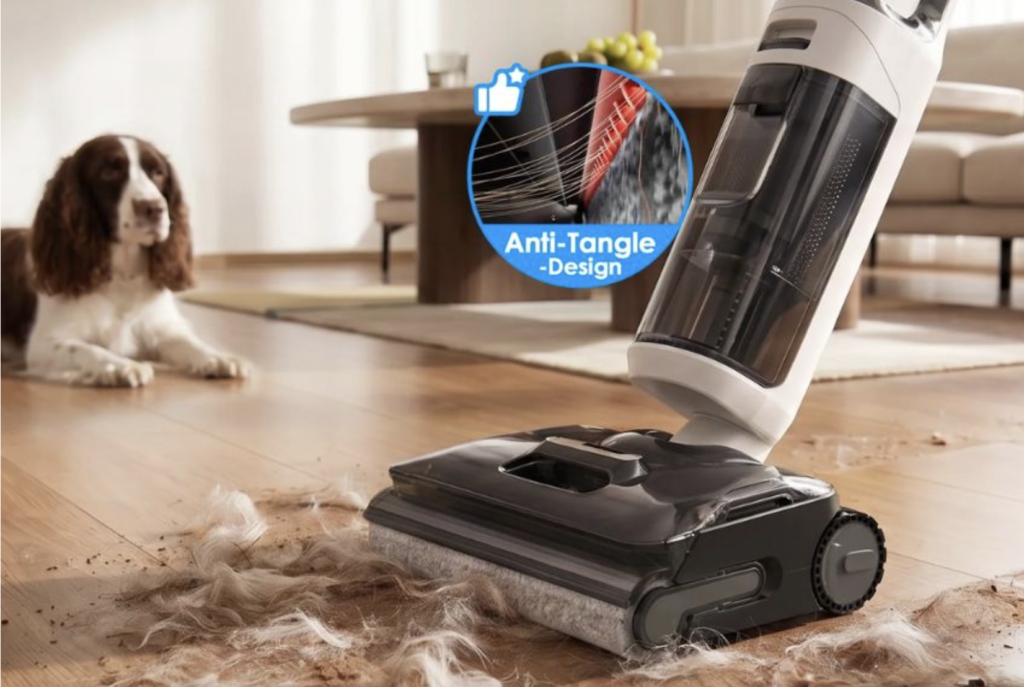
- Use a wet-and-dry floor washer for crumbs and damp marks on compatible hard floors.
- Reserve steam cleaning for approved surfaces and keep children away during use.
- Choose a classic cordless vacuum for rugs, sofas and dry dust.
- Keep a short daily, twice-weekly and weekly routine rather than a big plan.
Chores That Match Your Child's Age
Getting children involved in housework teaches them autonomy and a sense of responsibility. The key is to give them gestures within their reach, without any electrical appliance. From three or four years old, a child can put toys into a bin, drop dirty laundry in the basket or wipe a table with a damp cloth. Between six and eight, they can set the table, clear their plate, tidy their shoes and make their bed.
From nine or ten, more complete tasks become possible: sorting laundry, emptying the dishwasher, sweeping a small area or watering the plants. A few principles help these habits last. Show the gesture before asking for it, accept an imperfect result and praise the effort rather than perfection.
Building Habits That Stick
A chore chart or a small daily ritual — ten minutes of tidying before dinner, for example — gradually installs real habits. If mealtimes feel rushed, a calm healthy breakfast routine can make mornings smoother too. Electrical appliances remain reserved for adults. And if your child insists on picking their own outfit for the task, that is fine: let them, as you would when a five-year-old chooses clothes. Rewarding effort rather than results also helps avoid raising spoiled children, and if a reward is a new toy, check first whether the LEGO Store price match applies.
Crumbs and Everyday Little Accidents
Some situations call for a quick reaction: a bowl of cereal knocked over, a glass of juice, crumbs under the high chair. On hard floors, a wet-and-dry vacuum lets you suck up dry debris and wash damp marks in a single pass, without dragging out broom, mop and bucket. This kind of cordless floor washer is an adult tool: store it out of children's reach and use it when they are not in the cleaning zone.
Before any use, check that your flooring tolerates water cleaning and follow the manual, especially for emptying the tanks and maintaining the roller. A regular pass also keeps play areas pleasant — the same logic that applies when you store LEGO sets properly so pieces stay clean and out of the way. For a calmer, tidier home, it also helps to plan cozy moments, like fun Christmas pajamas for relaxed family time.
| Mess type | Suggested tool | Who uses it |
|---|---|---|
| Crumbs on hard floor | Wet-and-dry floor washer | Adult only |
| Spilled juice, sticky marks | Steam cleaner on approved floors | Adult only |
| Rugs, sofa, dry dust | Cordless stick vacuum | Adult only |
| Toys on the floor | Storage bins and baskets | Children, with help |
| Table after meals | Damp cloth | Children from age 3-4 |
| Dirty laundry | Laundry basket | Children from age 3-4 |
When Steam Cleaning Can Help
Some stains resist: dried juice, a sticky mark, repeated traffic through the kitchen. Steam can then help lift residues. A steam floor washer is an option of this type, to be used only by an adult and on surfaces expressly approved by the manufacturer.
Caution is essential. Heat and moisture do not suit every floor: unvarnished parquet, some laminates or delicate coverings can be damaged. Check your flooring manufacturer's recommendations and the appliance manual, and keep children away during use and cooling. The same care applies to any household product or small object a curious toddler might grab, which is why safe storage matters as much as the cleaning itself.
Rugs, Sofa and Dry Dust
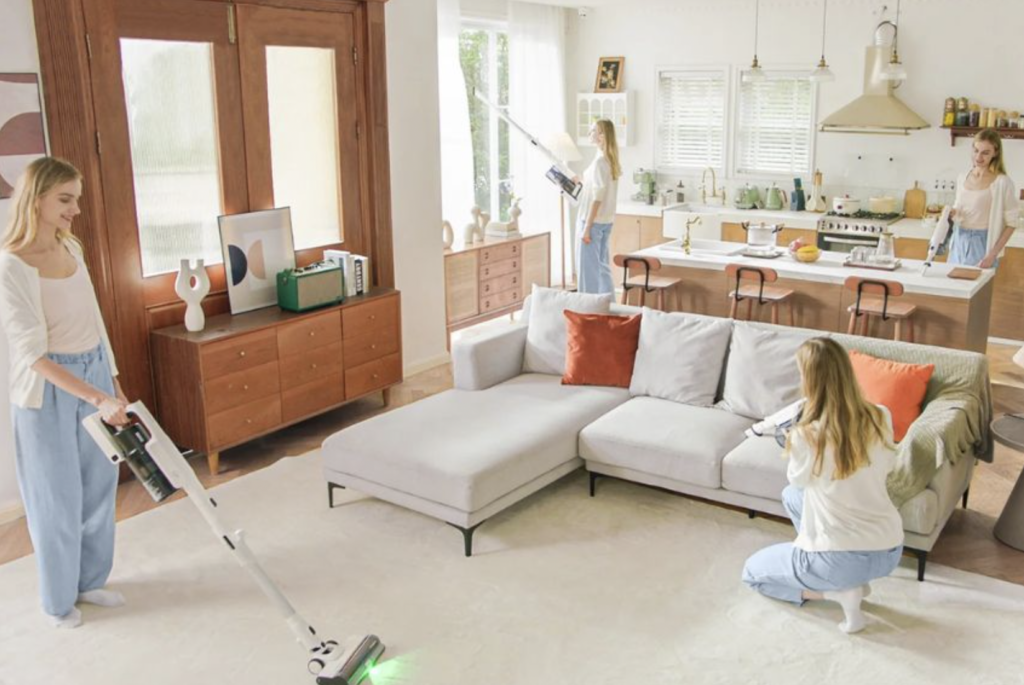
A floor washer is not suitable for textiles. For play rugs, sofas and dry dust, a classic cordless vacuum is more appropriate. A dry-use stick vacuum fits this category; its precise features, such as weight, battery life and supplied accessories, should be checked on the model sheet.
In a home with children, a regular pass over rugs and the sofa limits the build-up of crumbs and dust. The goal is not a sterile home, simply comfortable living spaces. Tidying toys also becomes easier when storage is organised — the principles behind storing LEGO bricks work for any collection. If your child is passionate about building, they may enjoy learning how LEGO Ideas sets get approved, and LEGO Technic colors can even turn tidying into a sorting game.
A Realistic Family Routine
A simple, repeatable system beats a grand plan abandoned after two weeks. Each day: ten minutes of family tidying, a quick wipe of the table after meals, a fast pass over kitchen crumbs. Twice a week: vacuuming rugs and the sofa, cleaning the entrance. Once a week: washing compatible hard floors, changing the sheets, emptying and cleaning appliance tanks and filters according to their manuals.
Adjust to your household: a pet, a crawling baby or a garden changes priorities. If mornings are chaotic, a partner who helps with the routine makes a real difference. This routine helps keep a comfortable home, but it is not a guarantee of hygiene or health. For questions about a child's allergy or asthma, speak to a healthcare professional.

My hands-on take
In our home, the biggest change was lowering our expectations and shortening the routine. Ten minutes of family tidying before dinner does more for our living room than an ambitious Saturday morning plan ever did. I also learned to hand my child a damp cloth rather than a lecture: wiping the table became a game, and the imperfect result stopped bothering me.
The other lesson was about tools. For a long time I used a broom and mop for every little spill, which meant most spills simply waited. Having one appliance ready for hard floors made me far more likely to deal with crumbs immediately. I still keep the vacuum for rugs and the sofa, and I always check the manual before trying anything on a new floor.
Frequently asked questions
At what age can a child start helping with housework?
From around three or four years old, a child can put toys in a bin, drop laundry in the basket or wipe a table with a damp cloth. Older children can take on more complete tasks such as sorting laundry or emptying the dishwasher.
Can children use a floor washer or steam cleaner?
No. These are adult appliances and should be stored out of reach and used when children are not in the cleaning area. Keep them away during steam use and cooling as well.
Can I use a floor washer on rugs and the sofa?
No, a floor washer is not suitable for textiles. For rugs, sofas and dry dust, a classic cordless vacuum is the more appropriate choice.
Is steam cleaning safe on every floor?
Not necessarily. Heat and moisture can damage unvarnished parquet, some laminates and delicate coverings, so always check your flooring manufacturer's recommendations and the appliance manual first.
Product Reviews
 Best Toys for Dogs With High Prey Drive |
Best Outdoor Toys for 3-4 Year Olds |
Best Outdoor Toys for 6 Year Olds |
Best Harness for Poodle |
Best LEGO Sets for Adults |
Best Travel Toys for 4 Year Olds on Airplane |
Best Toy Stores in Washington DC |
Best Potty Training Toys |
Best Toys for Tripod Dogs |
Maillot equipe de france







