


Family cleaning with kids rarely fails because the tasks are hard. It fails because someone has to notice the crumbs, remember the shoes, and do it all without a second pair of hands. A spilled glass at the door, toys across the hallway, a table you cannot use: the small jobs pile up fast.
A simple organization changes the mood. It rests on responsibilities everyone understands, gestures children learn step by step, and expectations that match the energy people actually have at that moment. Children can contribute at their own scale, while adults keep charge of the plan, the electrical appliances and the cleaning products.

Quick takeaways
- Define the few priorities that really matter before dividing any tasks.
- Give children concrete, limited choices instead of vague instructions.
- Teach gestures in stages: show, do together, then try with help nearby.
- Adults keep responsibility for appliances, steam and cleaning products.
- Check flooring and appliance instructions before using any machine.
- Review the system after a couple of weeks and adjust it.
Decide what actually matters first
Before splitting tasks, take ten minutes to name the household's real needs. A clear entryway, a usable table and a floor without spilled liquid can be priorities; a toy construction still standing can wait until tomorrow. Writing this down stops expectations from staying invisible.
If one person believes everything must be tidied every evening and another disagrees, a chore chart alone will not fix it. Ask a few blunt questions: what bothers us most day to day, what has to happen fast, what can be postponed on tired evenings, and who owns each task from start to finish? When several adults share the home, this concerns them too. family plans teenager
Own the whole task, not half of it
Cooking after dinner can include wiping the floor, putting equipment away and maintaining it, without waiting for someone else to think of each step. Half-finished handovers are where resentment quietly builds.
Offer children a contribution within reach
Age guides can suggest ideas, but they never tell you exactly what a child can do. Height, motor skills, experience and the mood of the moment all count. Start from concrete actions rather than abstract duties.
For dishes, choose light, non-sharp items suited to the child's ability; an adult handles hot, fragile or dangerous objects. Learning usually follows stages: the adult shows, the gesture is done together, then the child tries with help nearby. Going back to a guided step for a while is not failure. Montessori climbing toys
Small children often respond well to playful framing, and the same principle applies to older ones who need a reason to move. motivate children studying
| Task | Suggested lead | Notes |
|---|---|---|
| Entryway shoes and bags | Child with adult nearby | One clear spot per person |
| Table crumbs and spills | Child brings cloth, adult wipes | Neutral wording, no blame |
| Dishwashing | Child with light, safe items | Adult takes hot or fragile items |
| Hard floor washing | Adult only | Check compatible surfaces first |
| Rugs and upholstery | Adult or supervised older child | Dry vacuum with proper accessory |
| Product storage | Adult only | Locked or high cupboard |
Replace vague instructions with concrete requests
"Tidy up a bit" sounds clear to an adult and stays fuzzy for a child. A precise request gives a starting point: "The cars are in the way. Shall we put them back in the bin?" or "Do you want to bring the napkins or put your shoes away?"
Offering a hand works too: "I'll hold the basket while you put the blocks in." And when juice is left on the table, "There's still juice here. I'll show you how to use the cloth." Any choice must be real and limited to actions the child can manage. If a child is exhausted or overwhelmed, sitting beside them helps more than another reminder.
Notice the result, not the personality
Recognize what was done without judging who they are: "The books are back on the shelf, so we can sit on the rug now." The gesture has a visible use in shared life, which is what makes it stick. speech therapy toys
When a glass tips over, deal with the situation
A small accident does not need to become a lesson about clumsiness. First look at what happened. If glass broke or liquid is hot, the adult moves the children away and handles the cleanup. For a harmless spill, the child can bring a cloth while the adult intervenes. One simple sentence is enough: "The glass tipped over. Let's find something to clean it with."
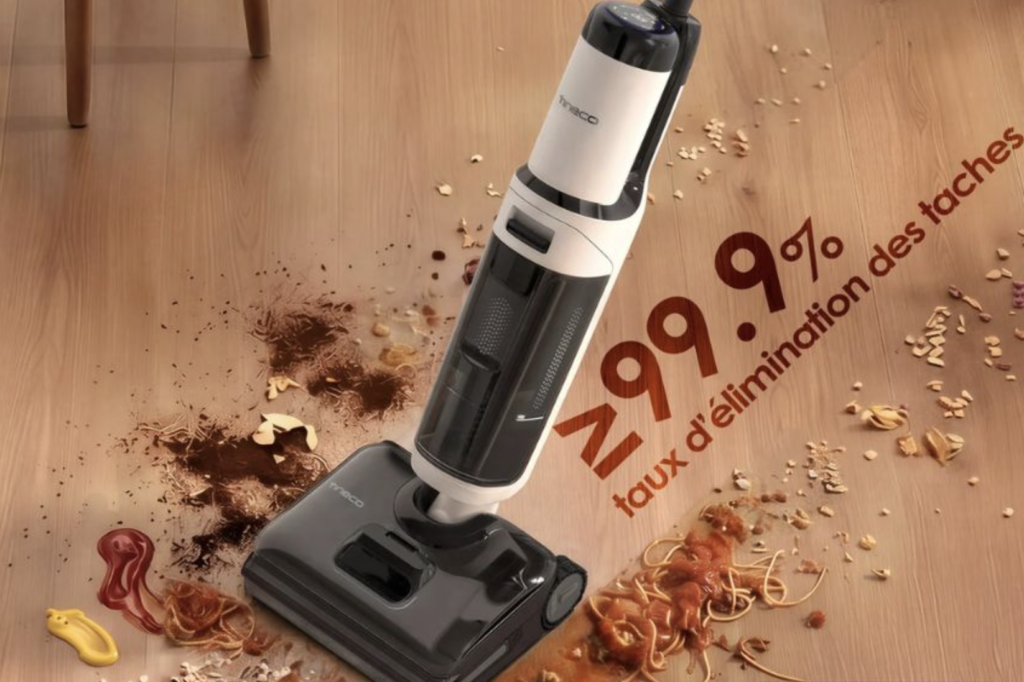
Crumbs and marks on the floor then need the right tool. On approved hard floors, a wet-and-dry vacuum cleaner can combine picking up small debris with washing. An adult uses it after checking compatible surfaces; large debris and sharp objects are removed separately, and dried marks may need extra attention. toy stores San
The equipment may make cleaning easier. How you welcome the accident remains a matter of relationship.
Match tools to the surfaces in your home
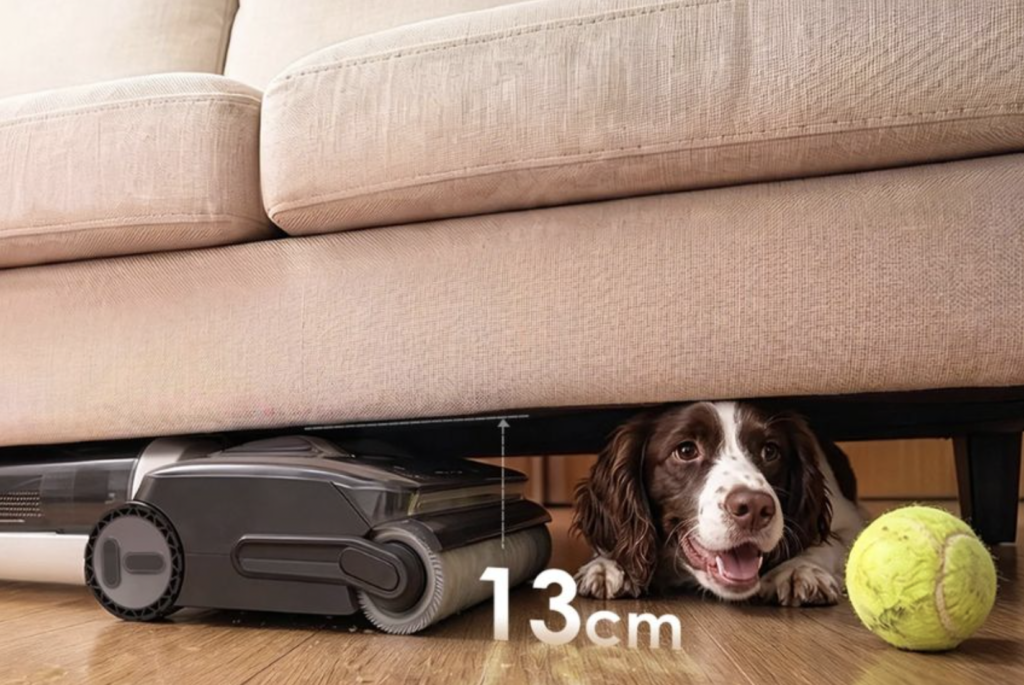
A house may combine tile, parquet, a play mat and a fabric sofa, and these surfaces do not all want the same treatment. Wet-and-dry vacuums are intended for compatible hard floors; always check both the flooring instructions and the appliance manual before use.
For crumbs and dust on rugs or upholstery, a cordless stick vacuum for dry use with a suitable accessory answers a different need. A stain on the sofa is treated according to the fabric's care label. You do not need to replace everything: review your surfaces, the tools you already own and your storage space to spot what is genuinely missing.
Keep steam for a separate moment
On suitable surfaces, steam can help lift residue, but it requires explicit approval from both the flooring manufacturer and the appliance maker. A surface that tolerates damp washing does not automatically tolerate steam. In the routine described here, an adult runs the appliance while children and pets stay out of the area, and the notice's precautions apply during cooling, maintenance and storage. cause and effect toys
Store products and cloths with clear rules
Cleaning products belong in a secure place, out of reach. Cloths kept for children's small contributions stay separate from adult products and equipment, so a child never handles a bottle to "help".
Try the system for a couple of weeks before judging it. Adjust the priorities, swap tasks between adults, and let children move to the next stage when they are ready. Consistency matters more than a perfect chart. hair go
Some families find that a shared, visible list reduces repeated reminders, while others prefer a short verbal check-in at the same time each evening. Either way, keep the list short enough to read at a glance. classroom prize box

My hands-on take
In our home, the turning point was not a new appliance but a shorter list. We had a long chart on the fridge that nobody read, and every evening ended with the same reminders. One weekend we cut it down to three things that genuinely bothered us: the entryway, the table and the floor under the chairs. Everything else became optional.
The second change was phrasing. "Tidy up" produced blank stares, while "the cars are in the way, shall we put them in the bin?" usually got a yes. I also learned to stay nearby instead of calling instructions from another room, which cut the nagging in half. We still have messy evenings, but now they end with a cloth and a shrug rather than an argument.
Frequently asked questions
At what age can a child start helping with cleaning?
There is no fixed age, because height, motor skills and experience vary more than birthdays do. Start with one concrete gesture a child can complete, such as carrying napkins or putting blocks in a basket, and add steps as confidence grows.
How do we stop chores from becoming a source of conflict?
Agree on priorities before assigning tasks, and make sure each person owns a job from beginning to end. Most tension comes from unspoken expectations rather than from the work itself.
Can children use a wet-and-dry vacuum cleaner?
In the routine described here, no: electrical appliances remain an adult task. Children can bring a cloth or pick up safe items while an adult operates the machine.
What should we do first after a spill?
Check whether anything is broken or hot, move children away if so, and handle the cleanup yourself. For a harmless spill, a simple factual sentence and a cloth are enough.
Product Reviews
 Best Toys for Dogs With High Prey Drive |
Best Outdoor Toys for 3-4 Year Olds |
Best Outdoor Toys for 6 Year Olds |
Best Harness for Poodle |
Best LEGO Sets for Adults |
Best Travel Toys for 4 Year Olds on Airplane |
Best Toy Stores in Washington DC |
Best Potty Training Toys |
Best Toys for Tripod Dogs |
Maillot equipe de france







