


Eurêk'art is a book game that invites children to play with works of art, and it works as a gentle, playful base for art education from around six years old. It is a book about looking, where the viewer sits at the centre: what they see, what they think, what they feel in front of a painting.
The trick is simple and clever. The pages are cut in two. On the top half you pick an image from thirty masterpieces; on the bottom half you pick one of thirty creative prompts that ask you to take a personal, slightly offbeat look at that image. Game and imagination do the rest.

Quick takeaways
- Split pages combine thirty masterpieces with thirty creative prompts.
- Suitable from about six years old, alone or with several players.
- No right answers: the viewer's perception is the subject.
- Works as a short, repeatable art ritual at home or in class.
- Best played in a kind, mockery-free atmosphere.
- Revisit the same pages later to notice how the gaze has changed.
How the split-page book game works
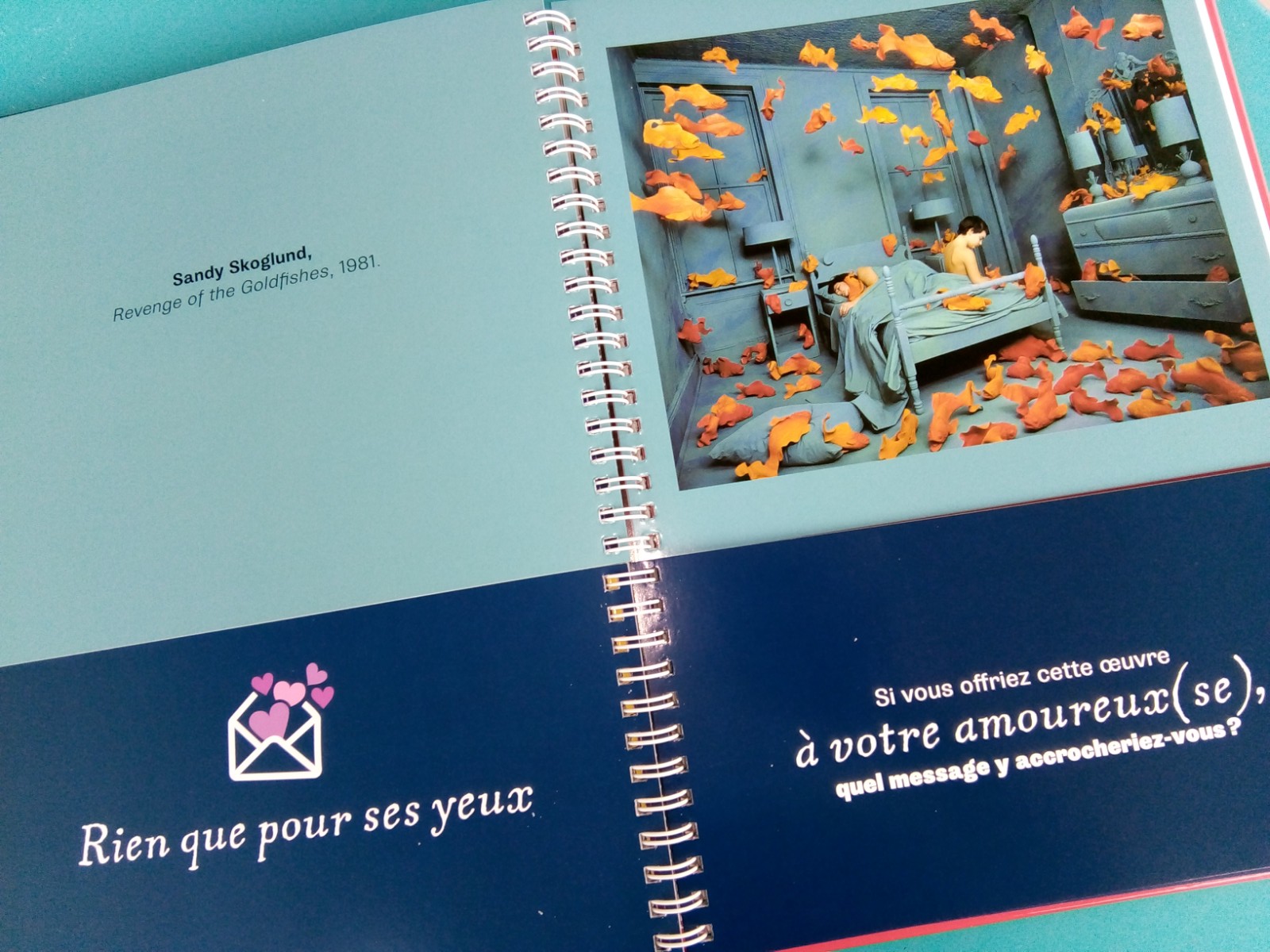
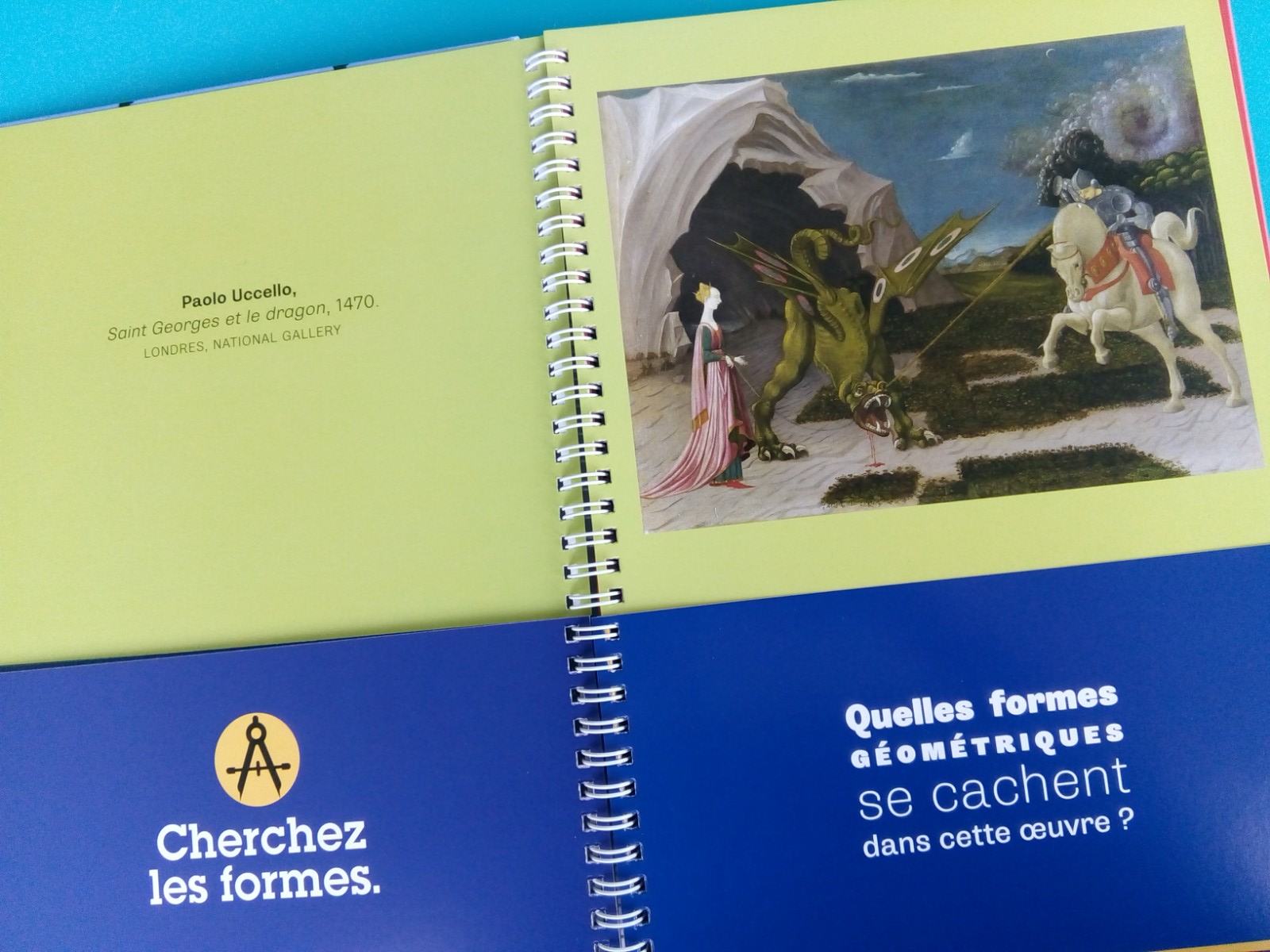
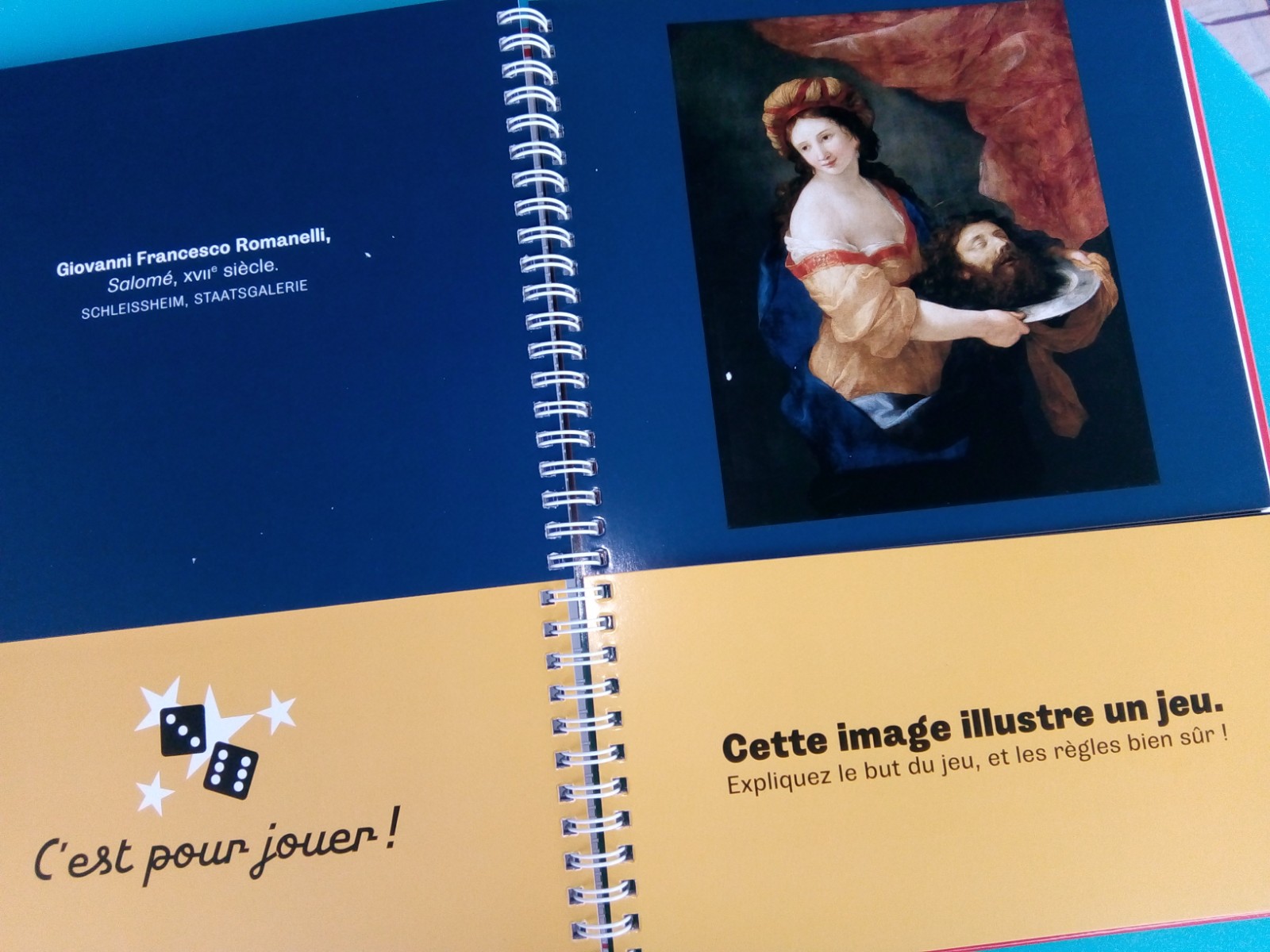
Each spread is made of two flaps you turn independently. The upper flap shows a painting, the lower one carries a prompt. Because the halves move separately, the combinations are almost endless, and the object feels more like a game to handle than a book to read quietly.
A player can open the book at random or deliberately choose a painting, and do the same with the prompts. You might apply several different prompts to the same picture by turning only the bottom pages, or compare several paintings under a single prompt. That flexibility is what keeps creative family rituals fresh over many sittings.
Culture and creative gaze together
The paintings span a long period and a wide range of movements, from Chagall and Magritte to Titian, Picasso and Miró. Artistic culture and personal interpretation are woven together rather than taught separately, which is exactly what makes the format so usable at home.

Why the viewer, not the artwork, is the hero
Philippe Brasseur's aim is to let us express, sharply and personally, what we see, think and feel in front of a work of art. There is no right answer to hunt for, so the pressure that often surrounds museum visits simply disappears, much like the relaxed tone of conscious parenting done well.
Play and imagination are the two golden keys here. A prompt does not test knowledge; it opens a door into the world of creation. Children who would never volunteer an opinion about a painting will happily answer a silly, concrete question about it, just as a child's attitude can shift once the pressure is gone.

| Way to play | How it works | What it develops |
|---|---|---|
| Random draw | Open top and bottom at random | Surprise, quick thinking |
| Same painting, new prompt | Turn only the bottom pages | Flexibility of gaze |
| Same prompt, several paintings | Turn only the top pages | Comparison, observation |
| Group round | Each player answers in turn | Speaking, listening, respect |
| Repeat months later | Return to earlier combinations | Self-awareness over time |
Playing together: many eyes, many views
The game is at its best with several players of different ages, children and teenagers included, because points of view multiply and confront each other. One condition matters: keep a kind, mockery-free frame so everyone dares to speak, the same respectful climate you would want around sensory play or any shared activity.
It is also fun to return to the same paintings and prompts months later to see whether the gaze has changed and perception has evolved with time. Children notice this themselves, and it becomes a small lesson about how we grow.
Keeping it fair and kind
Agree on a simple rule before you start: no judging, no scoring, no laughing at an answer. Rotate who picks the painting so quieter players get a turn, and let someone pass without comment.
Using it for art rituals in the classroom
Because a single round takes only a few minutes, the book slots easily into a classroom ritual: one painting and one prompt at the start of an art lesson, or a weekly five-minute looking session. Teachers can pair it with hands-on making, the way outdoor preschool toys pair movement with discovery.
For a school setting, the same split-page logic supports short, repeatable routines rather than one big project. A prompt can become a writing starter, a drawing warm-up or a speaking exercise, which makes the book a practical tool across subjects rather than an art-only extra.
It also travels well: a copy in the school library or the local media library lets classes borrow the idea. If you are building a shelf of rainy-day resources, treat it like the small reward toys in back to school rewards that earn their place through repeat use.
Practical tips for parents and teachers
Start with one painting and one prompt, and stop while it is still fun. Keep a notebook of answers so you can revisit them later, and let children choose the image whenever possible, since ownership is half the engagement.
Mix the sessions with other creative habits: a drawing corner, a box of building pieces, a stack of picture books. The book works as a spark, not a curriculum, and it sits comfortably beside the kind of open-ended play described in toys under budget guides. If building pieces are part of the mix, you might also enjoy our piece on LEGO Technic colors.
Finally, do not rush to explain the painting. Let the looking and the talking come first; facts about the artist can follow afterwards, when curiosity has already been lit. That order is the whole point of the book.


My hands-on take
I keep our copy on the shelf next to the drawing paper, and it comes out whenever the mood turns flat. What surprised me most is how quickly the children stop asking whether their answer is correct and start arguing happily about what a figure is holding or why the sky is that colour. The lower flaps do most of the work: a strange, concrete question gets a real answer where "what do you think of this painting?" gets a shrug.
My practical advice is to keep the sessions short and to write the answers down. We once came back to the same painting a season later and the children were fascinated by what they had said before. That small ritual, more than any explanation, is what taught them that looking is a skill you can practise.
Frequently asked questions
What age is Eurêk'art for?
It is designed for children from around six years old, but the format works with teenagers and adults too. Mixed-age groups are where it shines, because the answers differ so much.
Do you need to know about art to use it?
No. The prompts ask about what you see and feel, not about dates or styles. Any adult can run a session without preparation.
How long does one round take?
A single painting and prompt takes only a few minutes, which is why it fits easily into a classroom ritual or a bedtime wind-down. You can stop after one round or play for half an hour.
Can it be used in school?
Yes, it makes a practical base for art education and can feed drawing, writing or speaking activities. Many teachers use it as a short weekly looking routine.
Product Reviews
 Best Toys for Dogs With High Prey Drive |
Best Outdoor Toys for 3-4 Year Olds |
Best Outdoor Toys for 6 Year Olds |
Best Harness for Poodle |
Best LEGO Sets for Adults |
Best Travel Toys for 4 Year Olds on Airplane |
Best Toy Stores in Washington DC |
Best Potty Training Toys |
Best Toys for Tripod Dogs |
Maillot equipe de france







