


Fanette and Filipin is a quarterly alternative magazine that follows children through the rhythm of the seasons, and the spring issue puts waking nature centre stage. It is written for children aged 3 to 10 and mixes long stories, nature games, recipes, songs and hands-on crafts in every edition.
The magazine takes its name from its two heroes: an intrepid little girl and a funny wood sprite who share an unusual and touching friendship. Their rollicking adventures lead young readers to the wonders of nature, season after season.

Quick takeaways
- Quarterly nature magazine for children aged 3 to 10
- Two heroes: an intrepid girl and a wood sprite
- Every issue: long stories, nature games, recipes, songs, crafts
- Spring issue covers tadpoles, sprites, oak trees and nettles
- Crafts include a rice-filled frog, seed bomb and cherry mobile
- Rich vocabulary and wordplay support early language
What you will find inside every issue
Each edition follows a steady, reassuring structure, so children know what to expect when the new copy arrives. There are several long stories, including the adventures of Fanette and Filipin, traditional tales and enchanted stories tied to the current season. Games sit alongside them: observation puzzles, riddles, crosswords, word-linking challenges and animal footprint identification.
Food and music round things out, with simple recipes and songs or poems to learn together. Crafts are a core part of the format too, from felted wool characters to folding and painting. If your child is starting to sound out words, this mix pairs well with advice on introducing children to reading at home.
A magazine that grows with the reader
Because the age range is wide, a parent can read the longer stories aloud to a preschooler while an older sibling tackles the crosswords alone. That flexibility is what makes a single subscription work for a whole family.
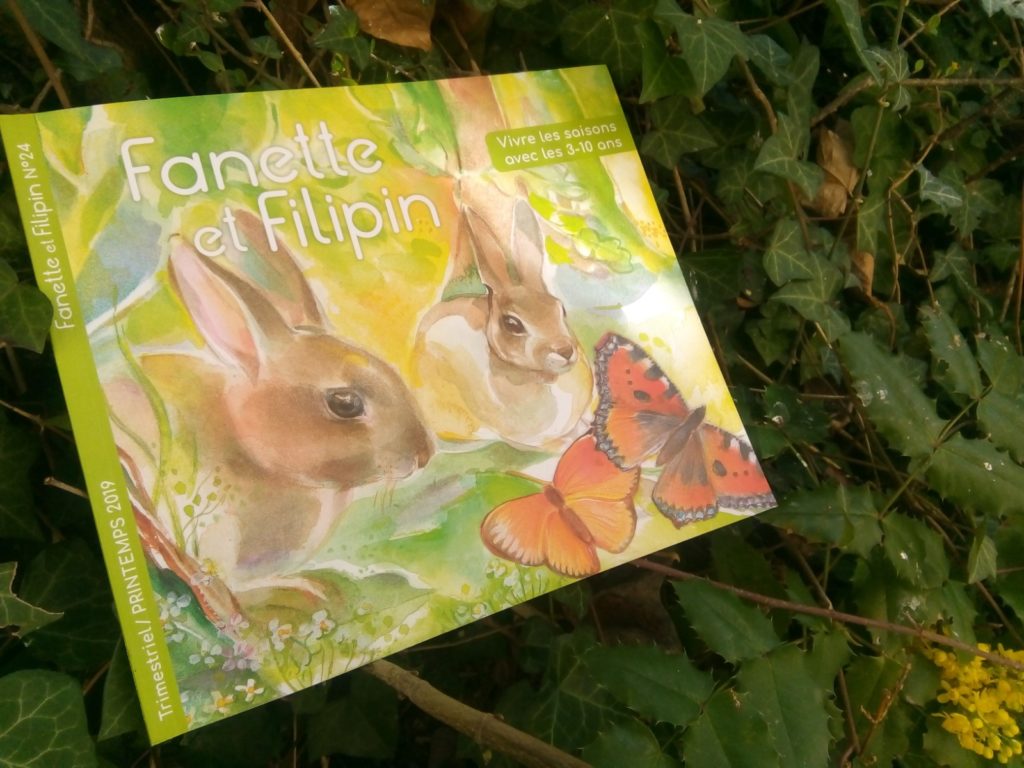
Spring stories: tadpoles, sprites and the oak tree
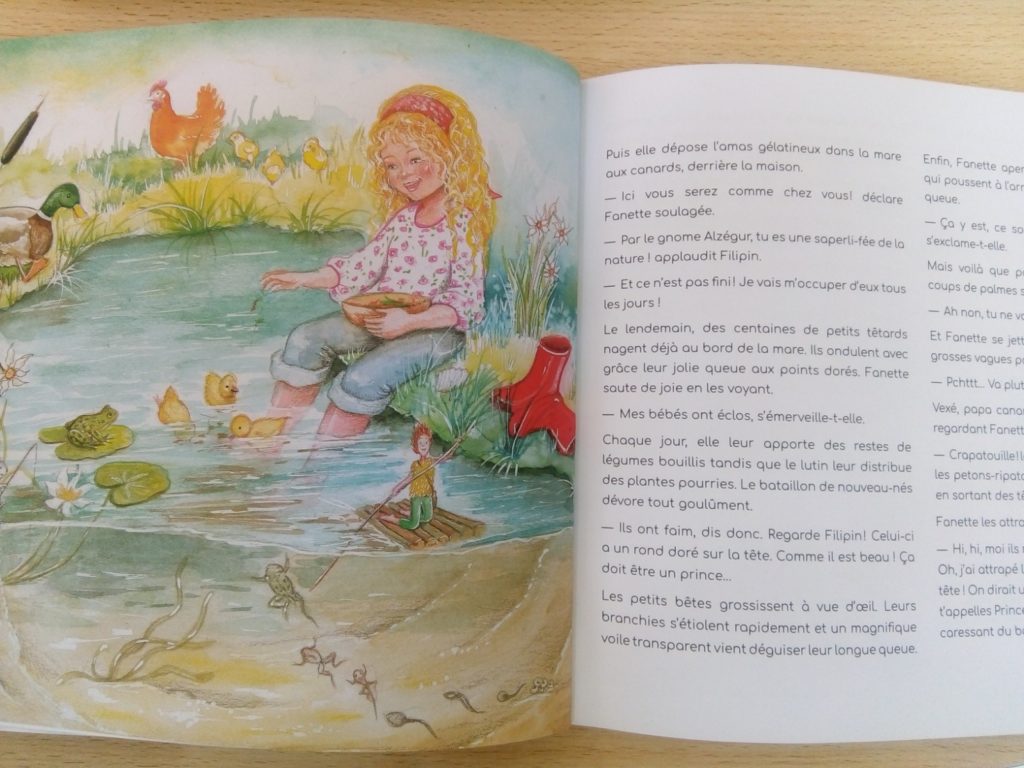
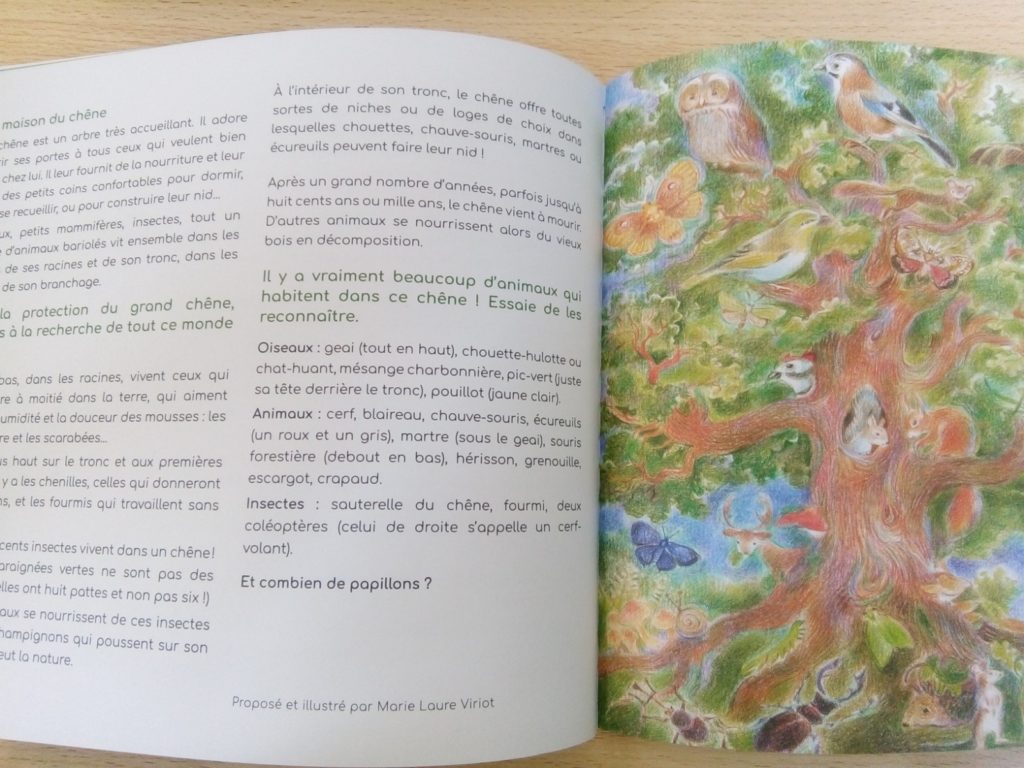
The spring issue celebrates nature waking up. Children look after tadpoles that turn into frogs, which tickle and croak, and they follow the little sprites who help nature emerge from its winter dormancy. The inhabitants of the oak tree get their own feature, turning a single tree into a small world to explore.
The writing is deliberately rich in vocabulary, and wordplay is everywhere: Filipin loves to twist sentences with unusual words and rhymes. That playful approach supports early language learning and pairs nicely with online English games if you are raising a bilingual child. Hands-on play is just as valuable, so these screen free toys are a great companion to the magazine's activities.
After reading, a simple walk to a pond or a park oak turns the page into an outing. Ask your child to spot what the characters saw, and the story becomes a memory rather than a one-off read. It is also a good moment to talk about washing your hands after outdoor play.

| Section | What children do | Good for |
|---|---|---|
| Stories | Follow Fanette, Filipin and seasonal tales | Read-aloud time |
| Nature games | Spot animals, solve crosswords, order pictures | Quiet focus |
| Crafts | Make a rice frog, seed bomb, cherry mobile | Fine motor skills |
| Songs and poems | Learn rhymes about nature | Language and rhythm |
| Nettle focus | Read a story, learn botany, try a recipe | Connecting to plants |
Crafts and activities to make with your hands
The spring issue includes a pattern for a frog filled with rice, a seed bomb, a cherry tree mobile and geometric shapes to trace. These are low-cost projects built around materials most families already have, which makes them easy to set up on a rainy afternoon.
Making things by hand invites children to imagine, dream and do, exactly as the magazine promises. It also builds fine motor control, and the same skills show up when children begin to learn to dance or take on other physical hobbies.
For families who like open-ended play, the craft pages sit comfortably next to a shelf of open ended toys for toddlers, since both encourage children to invent rather than follow a fixed script. Set out the materials, resist the urge to correct, and let the frog look however it looks.
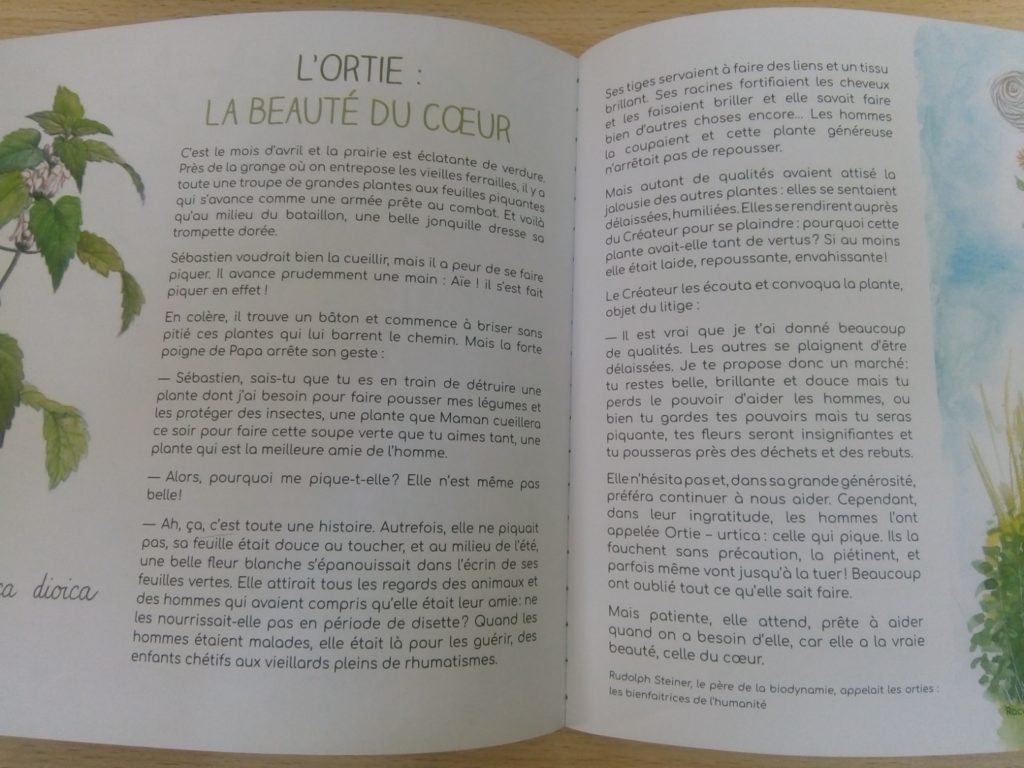
Songs, games and a closer look at the nettle
Several rhymes and songs on the theme of nature brighten the spring issue, which is printed in full colour throughout. Games invite children to think: recognising animals and flowers, crosswords, and pictures to put back in the right order.
A dedicated focus on the nettle explores the virtues of this plant, with a story for children, a botanical explanation and a recipe. It is a nice way to show that a plant we usually avoid can be useful and interesting.
These pages work well as a screen-free break, and they pair naturally with the kind of quiet, focused play you get from a good bedtime song routine or a calm afternoon at home. Keep the magazine somewhere reachable so children can return to a puzzle on their own.
Why a seasonal magazine suits young children
A quarterly rhythm matches how young children experience the year: spring brings tadpoles and seed bombs, and later issues will follow the seasons in turn. Waiting for the next copy becomes part of the pleasure, and the arrival of the post is a small event in itself.
Because the content is tied to what is happening outside, it is easy to connect reading to real life. A page about frogs invites a pond visit; a seed bomb invites a patch of soil. Families who enjoy that link often look for other ways to make reading feel special, such as movies about books, a trip to a local independent toy store for craft supplies, or even stories about celebrity parents to spark conversation.
The magazine also makes a gentle gift for a child who is curious about animals and plants, and it works well alongside hands-on play at home.

My hands-on take
I first came across this magazine at a fair and was struck by how unflashy it is compared with the glossy titles on the same table. There are no plastic gifts taped to the cover, just pages of stories and things to make. When I tried the rice-filled frog with a child in my care, we ended up with something lumpy and slightly lopsided, and it was loved far more than anything neat.
What I appreciate most is the pacing. Because it arrives four times a year, we never feel behind, and we can return to a puzzle weeks later without the issue feeling stale. My advice: leave it on a low shelf, resist reading it all in one sitting, and let the child choose which page to start with.
Frequently asked questions
What age is Fanette and Filipin for?
The magazine is aimed at children aged 3 to 10. Younger children will enjoy the stories and songs read aloud, while older readers can tackle the games and crafts more independently.
How often does it come out?
It is a quarterly magazine, so a new issue arrives with each season. That rhythm lets the content follow what is happening in nature throughout the year.
Is it only stories?
No. Each issue mixes long stories with nature games, recipes, songs, poems and hands-on crafts, plus a plant or nature focus such as the nettle in spring.
Can I use it without buying anything extra?
Most crafts rely on simple, everyday materials such as rice, paper and wool. A few projects may need a small purchase, but the activities are designed to be low-cost.
Product Reviews
 Best Toys for Dogs With High Prey Drive |
Best Outdoor Toys for 3-4 Year Olds |
Best Outdoor Toys for 6 Year Olds |
Best Harness for Poodle |
Best LEGO Sets for Adults |
Best Travel Toys for 4 Year Olds on Airplane |
Best Toy Stores in Washington DC |
Best Potty Training Toys |
Best Toys for Tripod Dogs |
Maillot equipe de france







