


Raising children as arrows rather than possessions is one of the oldest ideas in parenting literature, and it remains one of the hardest to live out day to day. The Lebanese poet Khalil Gibran put it simply: children come through you but not from you, and their souls inhabit a tomorrow you cannot visit.
That image asks parents, teachers and educators to see themselves as companions rather than owners. We are guides, co-builders, encouragers and listeners. The practical question is what that looks like on an ordinary Tuesday afternoon.

Quick takeaways
- Children come through you, not from you; accompany rather than own.
- Feed the calling with knowledge, encounters and good examples.
- Multiply experiences: travel, readings, debates, international contact.
- Let children try roles through play, creative work and real tasks.
- Encourage friendships and genuine teamwork at home.
- Be an adult worth referencing: listen, witness, dialogue.
Children Are Not Property
No parent, teacher or policymaker can claim ownership of a child. Gibran's poem describes children as the sons and daughters of life's longing for itself, arriving through us but not belonging to us. This does not diminish parental responsibility; it changes its direction. Instead of shaping a copy of ourselves, we accompany a person who is already becoming someone else.
That reframing matters when children push back. Understanding childhood stubbornness as a sign of a developing will, rather than a challenge to authority, changes how we respond. Likewise, the debate over whether to direct children's development or let them unfold on their own is less a choice between extremes than a daily balancing act.
From Owner to Companion
We can offer love, care and time, but not our thoughts, because children have their own. We can welcome their bodies while respecting that their inner lives belong to tomorrow. Holding that boundary gently is the foundation of everything that follows.
Nurture the Call of Life
If children carry their own calling, our task is to feed it. That means nourishing them with knowledge, encounters and examples, and transmitting the ability to question life and interrogate the world rather than merely absorbing content. A child who learns to ask good questions will keep learning long after the lesson ends.
It also means helping them know themselves physically and mentally, and to respect their bodies and health. Everyday routines, from baby care routines in the early years to conversations about wellbeing later, build that foundation. A calm, consistent approach rooted in positive discipline supports self-respect far better than punishment does.
Finally, it means exposure: observations, readings, documentaries, discussions, debates and travel. Each new experience is another thread in the rope that will one day pull the arrow back and send it forward.

| Parent role | What it looks like | What it avoids |
|---|---|---|
| Owner | Deciding everything, correcting constantly | Curiosity, initiative |
| Guide | Offering options, asking questions | Rigid control |
| Encourager | Noticing passions, making room | Indifference |
| Partner | Sharing tasks and deadlines | Doing everything alone |
| Reference adult | Modelling habits and curiosity | Lecturing without example |
Multiply Experiences and Open the World
Children grow through stimulation, and stimulation often means leaving the familiar. Encourage international experiences, whether through travel, meeting people from other countries, pen-pal letters or video calls with peers of the same age. A child who has spoken with someone across the world thinks differently about their own street.
Family trips are one accessible route. Choosing a destination together, such as the beautiful Spanish towns that suit autumn travel with children, turns a holiday into a shared project. For older children, an exchange abroad program can be a genuine turning point, provided the family prepares for it together.
Play as Serious Work
Let children try on roles, both real and virtual: internships, creative activities, performances, role-play games. Good toys support this too, and the language development toys designed for young children show how play quietly builds real skills.
Encourage Passions and Vocations
Vocations are fertilised, not dictated. Pay attention to what absorbs your child, then create room for it. A child who spends hours building, drawing or dismantling things is showing you where their energy lives. Your job is to protect that time rather than fill it.
Socialisation matters here as well. Encourage friendships with the peer group, the neighbourhood crew, children of the same age. Belonging to a group teaches negotiation, loyalty and humour in ways adults cannot replicate.
Teamwork is the other half. Give children real contributions to family work: sharing household tasks, respecting deadlines, taking responsibility for a small part of the whole. These small duties build the sense of competence that later becomes confidence. A child who is trusted with something real learns to trust themselves.

Be an Adult Reference, Not a Title
Status as a parent or teacher guarantees little. What matters is the mission of being an adult worth referencing: someone who listens, witnesses and dialogues. Children learn far more from who we are than from what we announce.
That is why our own habits deserve attention. If we want children who care for their bodies, we model it, from ordinary health choices to understanding something as specific as vitamin D needs during pregnancy and early childhood. If we want curious children, we stay curious ourselves.
Patience is part of the mission. Development unfolds on its own timetable, and stages such as a toddler who refuses or a child building self improvement remind us that pressure rarely speeds things up. Support, example and time do far more than force.
My hands-on take
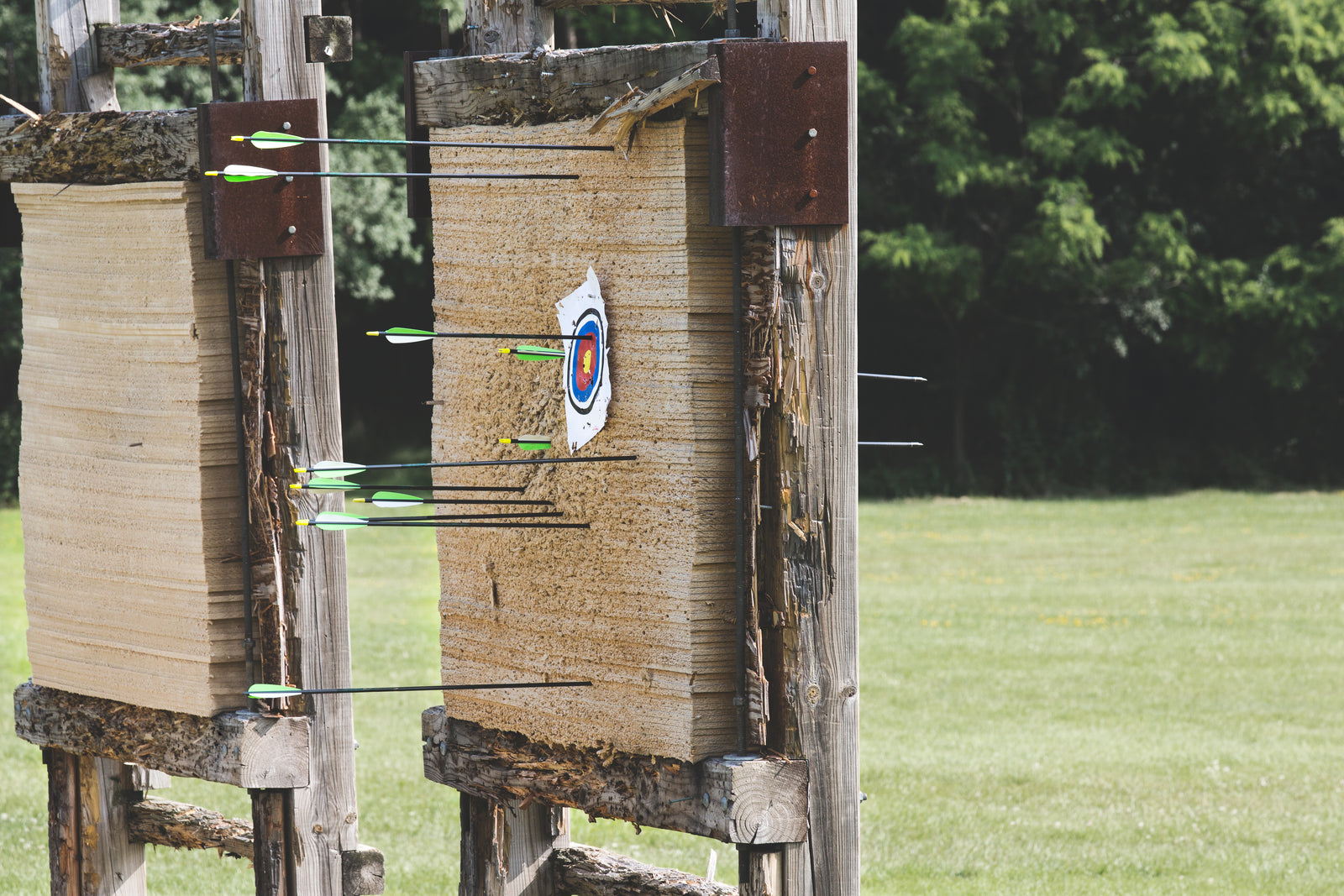
I remember reading Gibran's lines about the bow and the arrow and feeling slightly accused. I had been treating my child's day as a schedule to optimise rather than a life to observe. So I tried something small: one afternoon a week with nothing planned, no activities, no lessons.
The first weeks were uncomfortable, mostly for me. Then things appeared: a cardboard machine, a long conversation about volcanoes, a friendship negotiated and repaired without my help. I did not become a better parent overnight, but I stopped confusing control with care. The bow does not aim the arrow. It simply holds steady and lets go.
Frequently asked questions
What does Gibran's poem about children actually mean?
It suggests children are not possessions but independent people sent forward by life itself. Parents are the bow, not the archer, and their role is to support rather than control.
Does this mean parents should have no authority?
No. Authority remains, but it shifts from ownership to guidance. Clear boundaries and warm accompaniment can coexist, and children generally respond better to the second.
How do I encourage a passion without pushing?
Watch what absorbs your child without prompting, then protect time and space for it. Offer exposure and materials, and let the child decide how far to go.
Why is teamwork at home important?
Sharing household tasks and respecting deadlines gives children real responsibility. That experience of being useful builds competence and confidence far more than praise alone.
Product Reviews
 Best Toys for Dogs With High Prey Drive |
Best Outdoor Toys for 3-4 Year Olds |
Best Outdoor Toys for 6 Year Olds |
Best Harness for Poodle |
Best LEGO Sets for Adults |
Best Travel Toys for 4 Year Olds on Airplane |
Best Toy Stores in Washington DC |
Best Potty Training Toys |
Best Toys for Tripod Dogs |
Maillot equipe de france







