


Using play to prevent and defuse tantrums starts with one simple shift: seeing the behaviour you don't understand as a message rather than a manipulation. A psychotherapist quoted in the original discussion defines a "tantrum" as a behaviour the adult does not understand, which means the label says more about our confusion than about the child.
Instead of assuming children are trying to dominate us, we can read opposition and refusals as tension pointing to an unmet need. This article walks through three moments where play helps: before the storm, during it, and afterwards.

Quick takeaways
- A "tantrum" is often an adult label for behaviour we don't understand
- Look for the unmet need behind opposition and refusals
- Fill the attachment tank with contact and attention before hard moments
- During tension, use play and laughter instead of lectures
- After a meltdown, let the child be powerful in pretend play
- Short, repeated playful moments beat one big gesture
What a "tantrum" really means
The word "tantrum" is really a judgment an adult places on a behaviour they cannot decode. When a child refuses, shouts or melts down, something is usually going unmet, and the child lacks the maturity to explain it. Asking "why?" rarely helps, because children often cannot name the cause and may fear the reason sounds silly to us.
It helps to remember that a child's brain is not a miniature adult brain. The higher thinking areas are still under construction, so children cannot yet fully regulate emotion or plan ahead. They borrow our calm. Naming what you see, such as "something is really bothering you" or "that seemed to scare you", acknowledges the feeling without interrogation. If you want more tools for talking things through, these communication with children ideas pair well with play, and simple shared activities can build the same connection.
Why repeated outbursts matter
When the same crises keep returning, the child has a good reason for them and the underlying need has not been heard. That is the cue to stop correcting the behaviour and start meeting the need, much as skilled builders work patiently from the foundation up.

Before the crisis: fill the attachment tank
Children react much like adults: when stress is high, small frustrations tip us over. The difference is that children have fewer words and immature neural circuits, so they cannot anticipate or contain big feelings alone. Physical contact and focused attention during play feed what is often called the attachment tank, helping them feel recharged with love.
Contact triggers oxytocin, the wellbeing hormone, and that top-up helps a child face everyday stress. Playful rough-and-tumble also releases natural endorphins. A few minutes of connection before the difficult moment, such as before leaving the house or starting dinner, often costs less than repairing a meltdown later. Parents juggling several children at once may find these parenting twins tricks helpful for carving out one-to-one connection. Everyday care rituals matter too, like knowing applying after sun after a sunny day outdoors.

| Moment | What the child needs | Playful response |
|---|---|---|
| Before the crisis | Connection and safety | Rough-and-tumble, cuddles, focused attention |
| During the crisis | To feel understood | Silly games, gentle touch, naming feelings |
| After the crisis | To feel powerful again | Let them play doctor, teacher or parent |
| Everyday stress | An outlet for emotion | Laughter games, board games, puzzles |
During the crisis: speak their language
Playing with a child shows deep interest in their world, and physical contact helps them feel good inside. Play is also how children repair a sense of powerlessness. A child who has just had a shot at the doctor may want to give you a pretend injection; refusing that play can leave the discomfort bottled up, ready to surface later as what looks like a tantrum.
So when tension rises, try turning it into laughter and touch rather than a lecture. A silly chase, a gentle wrestle or a pretend game can discharge the charge. If you are heading somewhere new and stressful, preparation helps too, and these fear of water tips show how playful exposure eases anxiety.
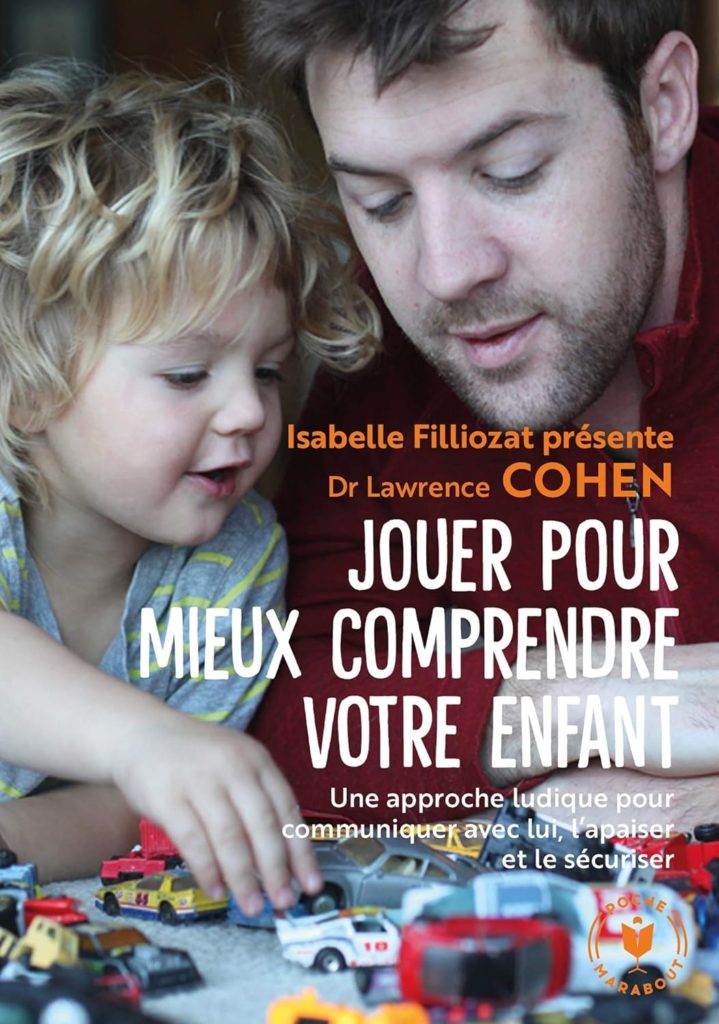
After the tantrum: let play do the talking
When a parent narrates a story, the adult supplies the words and hopes they match the child's feelings. When a child plays, they stage their own experience. That is why it matters to let the child be the powerful one in the game, playing the doctor, the teacher or the parent, so the helplessness from real life drains away.
Roughhousing and laughter give children an outlet to discharge emotion and answer their anger. Quiet games work too: a simple board game or puzzle can rebuild calm and focus together, much like these visual acuity games that combine play with attention. Board games also teach turn-taking, which is its own gentle lesson in frustration tolerance.

Building a playful routine that lasts
None of this requires special equipment or a long session. Short, repeated moments of connection beat one grand gesture, and they fit around naps, meals and school runs. Think of play as preventive maintenance rather than a reward for good behaviour.
Keep a few easy options ready: a tickle game, a pretend shop, a quick puzzle. If you are planning outings or holidays, packing a small toy or two makes spontaneous play easier, and this baby luggage list is a handy starting point. For quieter days, a shared film can spark conversation and connection, and these movies about books are a lovely place to begin.
My hands-on take
In my own home, the biggest change came from swapping "why did you do that?" for "you seem really upset". I started keeping a small basket of quick games near the kitchen, and a two-minute tickle chase before dinner did more than any lecture ever managed.
I also learned to let my child be the doctor after a difficult appointment, even when the pretend injections got a little enthusiastic. It felt silly at first, but the meltdowns that used to arrive an hour later became rarer. Play did not fix everything, but it changed the tone of our hardest moments.
Frequently asked questions
Is asking "why" ever useful?
Rarely in the heat of the moment. Children often cannot name the cause and may fear it sounds silly, so naming what you notice works better than interrogating them.
How long should playful connection take?
It does not need to be long. A few focused minutes of contact and attention before a tricky transition is often enough to soften the moment.
What if my child refuses the playful offer?
Stay gentle and try again later. The goal is connection, not compliance, so offer play without pressure and let them come to it.
Product Reviews
 Best Toys for Dogs With High Prey Drive |
Best Outdoor Toys for 3-4 Year Olds |
Best Outdoor Toys for 6 Year Olds |
Best Harness for Poodle |
Best LEGO Sets for Adults |
Best Travel Toys for 4 Year Olds on Airplane |
Best Toy Stores in Washington DC |
Best Potty Training Toys |
Best Toys for Tripod Dogs |
Maillot equipe de france







