


The hand model of the brain is a simple, memorable way to help children understand what happens inside their heads when emotions become overwhelming. By closing a fist and watching the fingers lift, kids can actually see how the thinking part of the brain and the feeling part work together — or lose touch.
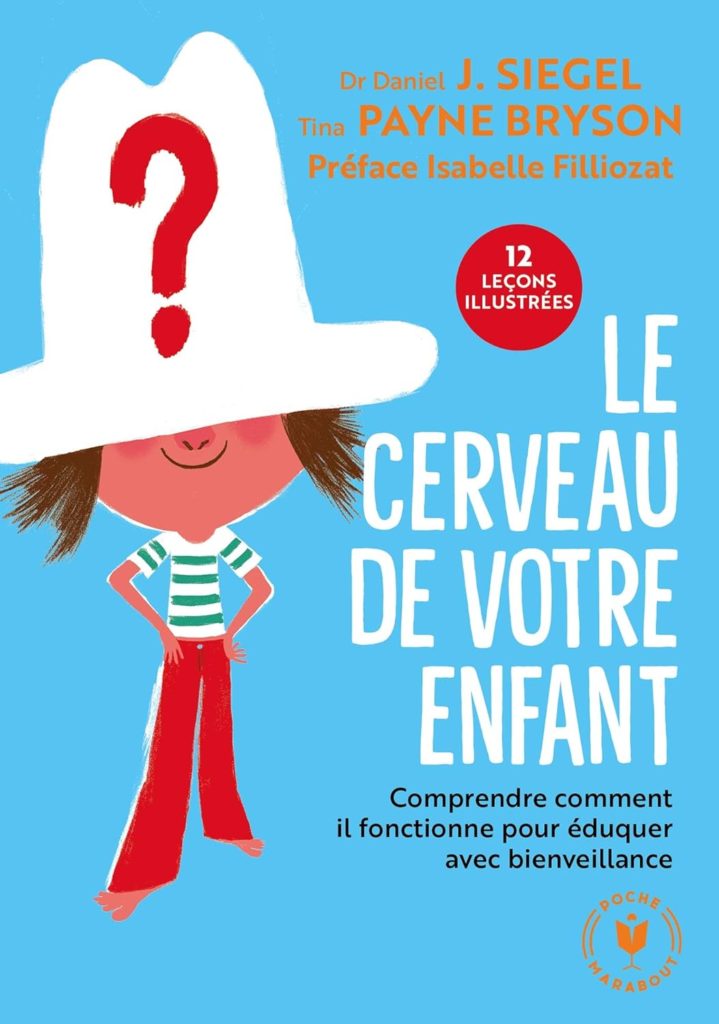
This illustrated lesson comes from the well-known book "The Whole-Brain Child" by Daniel Siegel and Tina Payne Bryson. It gives children a picture of the "emotional storm" that sweeps over them and, just as importantly, hands them practical tools to calm down and regain control.

Quick takeaways
- The hand model uses a fist to show how the thinking brain and feeling brain connect.
- When emotions flare, the "fingers lift" and the upstairs brain loses touch with the downstairs brain.
- Rehearsing the gesture during calm moments makes it easier to use during a tantrum.
- Breathing, squeezing, and slowly releasing the fist help reconnect the two brain parts.
- Naming feelings and needs after calming turns meltdowns into learning moments.
- Seek professional support if intense emotions regularly disrupt daily life.
The Upstairs and Downstairs Brain
Ask your child to close their fist and imagine the hand is their brain. The upper part — the fingers wrapped over the thumb — is where good decisions happen, even in moments of anger or fear. When you lift your fingers slightly, the thumb underneath represents the lower brain, the source of the strongest emotions. It also lets us care about others, feel love, and experience anger or frustration.
When the fingers fold back down, the thinking brain covers the thumb and helps the lower brain express feelings calmly. But when an emotion becomes too big, it is as if all the fingers are fully extended: the upstairs brain no longer touches the downstairs brain and cannot help settle it. Parents who want to support early emotional development may also enjoy books about routines and reading and writing activities that build focus and self-expression over time. For expectant parents, understanding sciatica in pregnancy can also help you stay comfortable while supporting your child's growth.
A Picture, Not a Weapon
The fist is only an image of the brain — never a fist for fighting. During a tantrum, a child can slowly unfold the fingers and fold them back over the thumb, a gesture that reminds them to let the thinking brain soothe the strong feelings below.
Why Show Children This Brain Lesson
Children who are introduced to this idea tend to regulate shouting and the urge to hit more successfully. They can visualize the disconnection between the upstairs and downstairs brain and reach for strategies to reconnect them: breathing slowly, folding the hand, or squeezing the fist tightly and releasing it on the exhale. Afterwards, they can put into words how they feel and what they need.
This kind of emotional vocabulary grows alongside other skills. Just as the Kumon method builds step-by-step confidence in learning, repeated practice with the hand model builds step-by-step confidence in self-calming. For families who want to nurture empathy and imagination, stories to transmit a love of reading can open conversations about characters facing big feelings. Everyday routines reinforce the same lesson, much like washing hands before food teaches cause and effect, and even a pregnancy time lapse can show children how small, steady changes add up over time.
| Strategy | When to use | What it does |
|---|---|---|
| Fold fingers over thumb | During or after a tantrum | Reminds child of the brain connection |
| Slow breathing | Before and during big feelings | Calms the body and mind |
| Squeeze and release fist | On the exhale | Releases physical tension |
| Name the feeling | After calming down | Builds emotional vocabulary |
| Model the gesture yourself | Anytime | Shows children adults use the tools too |
Simple Calming Strategies to Practice Together
The hand model works best when it is rehearsed during calm moments, not in the middle of a storm. Practice the sequence together: breathe in, squeeze the fist, breathe out and slowly release. Repeat a few times and let your child notice how their body feels afterwards.
You can also connect the gesture to daily routines. A child who struggles at bedtime or homework time may benefit from a short pause with the hand model before trying again — much like the patience adults need when managing neck pain or other everyday discomforts. Keep the tone light and curious rather than corrective.
Naming Feelings Out Loud
After the body calms, invite your child to name the emotion and the need behind it. Simple phrases like "I was frustrated because I wanted a turn" turn a meltdown into a learning moment, and they strengthen the connection between the upstairs and downstairs brain over time.
Making the Lesson Part of Family Life
Emotional regulation is a skill that grows with repetition, and the whole family can share the language. When a parent feels overwhelmed, modeling the hand gesture shows children that adults use the same tools. This shared vocabulary reduces shame and makes calming a normal part of the day.
Pair the lesson with other nurturing habits. Reading together, as explored in doing the Indian thing for the whole family, or simply talking about feelings during meals can reinforce the message. Even small rituals, like a calm hand-model check-in after school, help children feel safe enough to express what is happening inside.

When Big Emotions Need Extra Support
Some children need more than a gesture to manage intense feelings. If tantrums are frequent, prolonged, or disruptive to daily life, it is worth speaking with a pediatrician or child counselor. The hand model remains a useful first step, but it is not a substitute for professional guidance.
Parents can also look for signs that something else is going on. Just as adults pay attention to vomiting in children or other physical symptoms, emotional symptoms deserve the same careful attention. Trust your observations and seek help early if you are concerned.
My hands-on take
I first tried the hand model with my own child during a grocery-store meltdown, and honestly, it did not work in the heat of the moment. What changed things was practicing it later that evening, when everyone was calm and curious. We made it a little game: fist closed, fingers up, fingers down, big breath out.
A few weeks later, I saw my child fold their fingers over their thumb on their own after a frustrating game. That small gesture told me the idea had stuck. It is not magic, and some days still end in tears, but having a shared picture of what is happening inside makes those moments feel less frightening for both of us.
Frequently asked questions
What is the hand model of the brain?
It is a simple illustration where a closed fist represents the brain. The fingers stand for the thinking upstairs brain and the thumb for the emotional downstairs brain, showing how they work together or disconnect.
At what age can children understand this?
Most children can grasp the basic idea once they are old enough to follow a short story and copy a hand gesture. The concept can be simplified for younger kids and revisited as they grow.
Does the fist mean children should hit?
No. The fist is only a picture of the brain. It should be introduced calmly and never associated with aggression or punishment.
What if my child stays overwhelmed?
Stay nearby, keep your voice calm, and offer the gesture without forcing it. If intense emotions happen often or disrupt daily life, consider talking with a pediatrician or counselor.
Product Reviews
 Best Toys for Dogs With High Prey Drive |
Best Outdoor Toys for 3-4 Year Olds |
Best Outdoor Toys for 6 Year Olds |
Best Harness for Poodle |
Best LEGO Sets for Adults |
Best Travel Toys for 4 Year Olds on Airplane |
Best Toy Stores in Washington DC |
Best Potty Training Toys |
Best Toys for Tripod Dogs |
Maillot equipe de france







