


Talking to kids about periods is still surprisingly awkward for many families, even though roughly half of humanity lives with this monthly reality from around age 12 to 52. For a few days each month, girls and women bleed, yet the subject is often met with silence, embarrassment or a whispered change of subject.
This silence matters. Periods have long been used to make women feel impure and less capable than men, which makes menstruation a genuine feminist issue worth raising early. A good book can open that conversation with humour, solid references and zero shame, for pre-teens and teens alike, and for boys as well as girls.

Quick takeaways
- Periods affect half of humanity, yet silence and shame still surround them
- The book dismantles myths about menstruation one by one, with humour and solid references
- It covers endometriosis, consent, anatomy, exams and menstrual products
- Illustrations show diverse, realistic bodies, including body hair
- Suitable from around age 10, and useful for parents and boys too
- A genuine empowerment tool for body confidence
Why periods deserve an open conversation
Periods have historically been a tool for oppressing women, pushing the idea that they are unclean or weaker than men. That legacy still shapes how we behave: asking loudly for a tissue in public is fine, but quietly passing a sanitary pad or tampon feels shameful. These small habits teach children that menstruation is something to hide.
Talking about periods also means talking about patriarchy, sexuality and religion, which is why the topic rewards an early, relaxed start. As the authors put it, making periods invisible makes women invisible. A book that treats the subject with humour and curiosity can reach pre-teens far better than a lecture, and it gives both gender stereotypes and everyday assumptions a healthy shake.
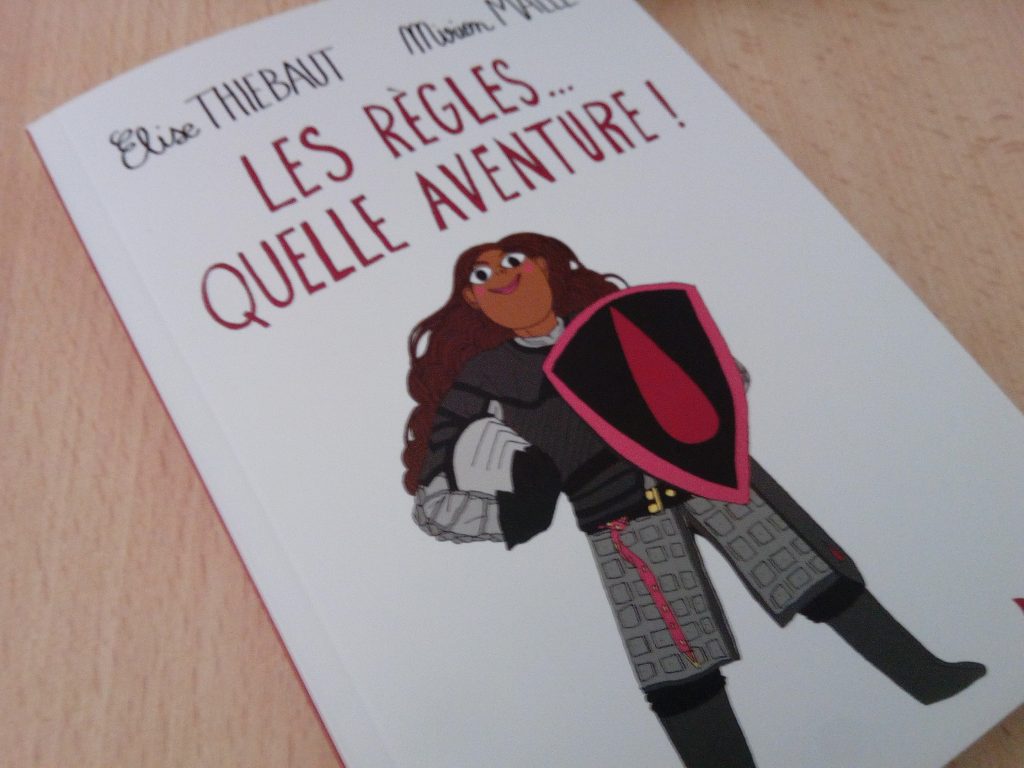
What this book covers beyond menstruation
This 70-page book dismantles the myths and beliefs that surround periods one by one, including old tales about food and everyday tasks. It also explains that in some countries women are still isolated in a hut while menstruating, showing how these ideas persist across cultures. Even here, discretion is expected in ways that quietly reinforce shame.
Words matter too, so the authors examine the expressions used to describe periods and the stereotypes they carry. A dedicated chapter addresses pain and related problems, including endometriosis, which is often dismissed for years. Alongside this, the book opens a wide range of connected subjects, from genital anatomy (clitoris included) to infant feeding and the wider baby care context that parents may already know.
Related topics the book explores
Readers also find chapters on sexuality, religious beliefs, gynaecological exams and consent, both in sexual relationships and during medical appointments. Menstrual products get a full presentation, from pads and tampons to menstrual cups, period underwear and the free-flow method, with the pros and cons of each and a clear explanation of toxic shock syndrome. The book also touches on the lice life cycle as part of its wider look at everyday health topics.
Finally, the book lists resources for talking about sexuality and periods, such as family planning services and a free phone line. This practical backbone makes it useful long after the first read, much like a good writing skills guide grows with a child, or home experiments that spark curiosity.

| Topic | What readers learn | Who benefits |
|---|---|---|
| Myths and taboos | Origins of period beliefs and why they persist | Pre-teens and parents |
| Health | Pain, endometriosis and when to seek help | Girls and teenagers |
| Products | Pads, tampons, cups, period underwear, free flow | First-time users |
| Consent | Boundaries in relationships and medical exams | All young readers |
| Resources | Family planning services and free helplines | Parents and teens |
Illustrations that reflect real bodies
The artwork matters as much as the text. Illustrations show girls and women with different body shapes, skin colours, and hair textures, colours and lengths. Some are shaved, some are hairy, and the book gently points out that body hair is a difference between children and adults, not between men and women.
This kind of honest representation is powerful for adolescents who rarely see themselves in mainstream imagery. It supports the wider message that bodies are simply normal, not shameful, and it pairs naturally with conversations about genderless fashion and self-expression.

Who should read it and how to use it
The book suits children from around age 10 reading independently, and it works well for girls in particular without excluding boys. Parents, both fathers and mothers, can read it too, gaining clear reference points for the questions children and teenagers will inevitably ask. Having answers ready makes those conversations calmer and more honest.
It functions as a genuine empowerment tool, giving young readers the personal and social understanding to live free of taboos. Girls and women are invited to rebuild confidence and to see their bodies and their periods as ordinary rather than embarrassing. Pair it with everyday parenting reading, such as guidance on physical punishment alternatives, nap routines, or even explanations of cravings during pregnancy, to keep the broader conversation about respect and wellbeing going.

My hands-on take
I picked this book up expecting a quick flip-through and ended up reading most of it in one sitting. What struck me was how many beliefs I still carried without noticing, like the old food superstitions I had heard as a child and never questioned. Reading it with my daughter turned into one of our easiest conversations about bodies so far, simply because the book had already broken the ice with humour.
What I appreciated most was the honesty about products and pain. Instead of a single "right" answer, it lays out options and lets the reader decide what feels comfortable. I now keep it on a low shelf where it can be picked up anytime, and I have noticed my daughter returning to it on her own. That quiet curiosity feels like exactly the point.
Frequently asked questions
At what age can a child read this book?
It is aimed at children from around age 10 reading on their own, though younger children can enjoy it with an adult. Parents can also read it first to prepare for questions.
Is it only for girls?
No. While it speaks mainly to girls, boys can read it too, and the authors clearly intend it for pre-teens and teens of any gender.
Does it cover painful periods?
Yes, a dedicated chapter addresses pain and related conditions, including endometriosis, so readers know when to talk to a doctor.
Can fathers use it?
Absolutely. Fathers and mothers alike can use it to find clear reference points and comfortable answers for their children's questions.
Product Reviews
 Best Toys for Dogs With High Prey Drive |
Best Outdoor Toys for 3-4 Year Olds |
Best Outdoor Toys for 6 Year Olds |
Best Harness for Poodle |
Best LEGO Sets for Adults |
Best Travel Toys for 4 Year Olds on Airplane |
Best Toy Stores in Washington DC |
Best Potty Training Toys |
Best Toys for Tripod Dogs |
Maillot equipe de france







