


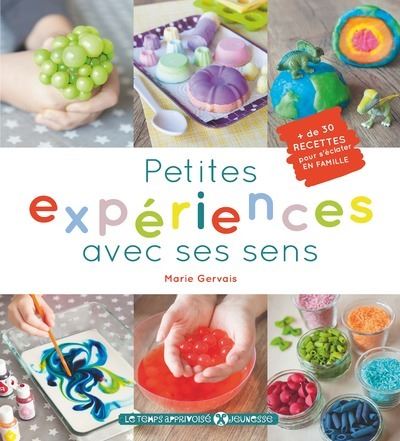
Sensory play recipes turn an ordinary rainy afternoon into a hands-on adventure, and this illustrated family book gathers more than thirty of them in one cheerful place. It is built around a simple idea: patting, moulding, foaming, painting and even tasting together is time well spent.
The collection covers classics and surprises alike, from homemade modelling dough and scratch paint to fake snow, jelly and the endlessly stretchy slime that children adore. Everything is designed to be shared between parents and kids rather than handed over as a solo activity.

Whether you are planning holiday entertainment or looking for a calm indoor project, the recipes are inexpensive, safe in terms of basic materials, and easy to follow step by step.
Quick takeaways
- More than thirty sensory play recipes in one illustrated family book
- Mix of classics (dough, chalk, magic sand) and unexpected ideas
- Some recipes are edible, others are strictly for play
- All use inexpensive, safe basic materials
- Includes slime, calm-down bottles, bath bombs and a volcano
- Suited to parents and children aged about four to twelve
A Beautifully Illustrated Guide to Sensory Play
The author is no newcomer to family books, and her earlier titles on freeing children's creativity and outdoor family life already showed a gift for warm, inviting photography. Here the same approach puts you right in the kitchen or living room, as if you were mixing, pouring and squishing alongside her and her children.
The layout is genuinely pleasant: bright colours, recipes explained step by step, and large illustrations that make the book a treat for the eyes. If you like books that invite children to handle and explore, you may also enjoy our selection of pop-up books for younger readers.
Why presentation matters
A clear, colourful page lowers the barrier for a hesitant parent. You can open the book, pick a recipe, and start without hunting for extra instructions.

Classic Recipes and Surprising New Ones
The contents mix familiar favourites, such as modelling dough, chalk dough and magic sand, with less common ideas that open hours of experimentation. Creative education runs through the whole book, and the multisensory games let children play with textures, smells and sounds — much like the hands-on fun in these travel toys.
Some recipes are edible, like ice cream or coloured cookies, while others are strictly for play, but all rely on affordable ingredients and safe raw materials. Among the pages you will find several paint variations, calm-down bottles, a body scrub, bath bombs and an erupting volcano.
The famous slime recipe is there too, with a useful note on ingredients: powdered Borax has become harder to source, and while laundry detergent or an eye solution can stand in, the result is noticeably less pleasant and the texture less fun to stretch. Parents wary of online challenges may also want to read about the Blue Whale.

| Category | Examples | Good for |
|---|---|---|
| Doughs and sands | Modelling dough, chalk dough, magic sand | Quiet table play |
| Paints | Egg paint, scented paint, puffy paint | Creative exploration |
| Edible makes | Ice cream, coloured cookies | Taste-safe sessions |
| Bubbly and stretchy | Slime, jelly, foaming mixes | Long, active play |
| Calm and care | Calm-down bottles, bath bombs, scrub | Winding down |
Recipes That Have Been Tested and Approved
In our own home we tried several recipes, including the erupting volcano and paper pulp, with great success, so much so that we offered the activity at my daughter's eighth birthday. It is genuinely funny to watch textures change from one attempt to the next, since nothing here is standardised.
Seeing how a little more of one ingredient shifts the texture in a particular direction is part of the learning. We even renamed one recipe "patpatouille" because the name suited the squishy result so well. Planning a party around this kind of play pairs nicely with simple Father's Day crafts or a homemade birthday table.
Puffy paint, a family favourite
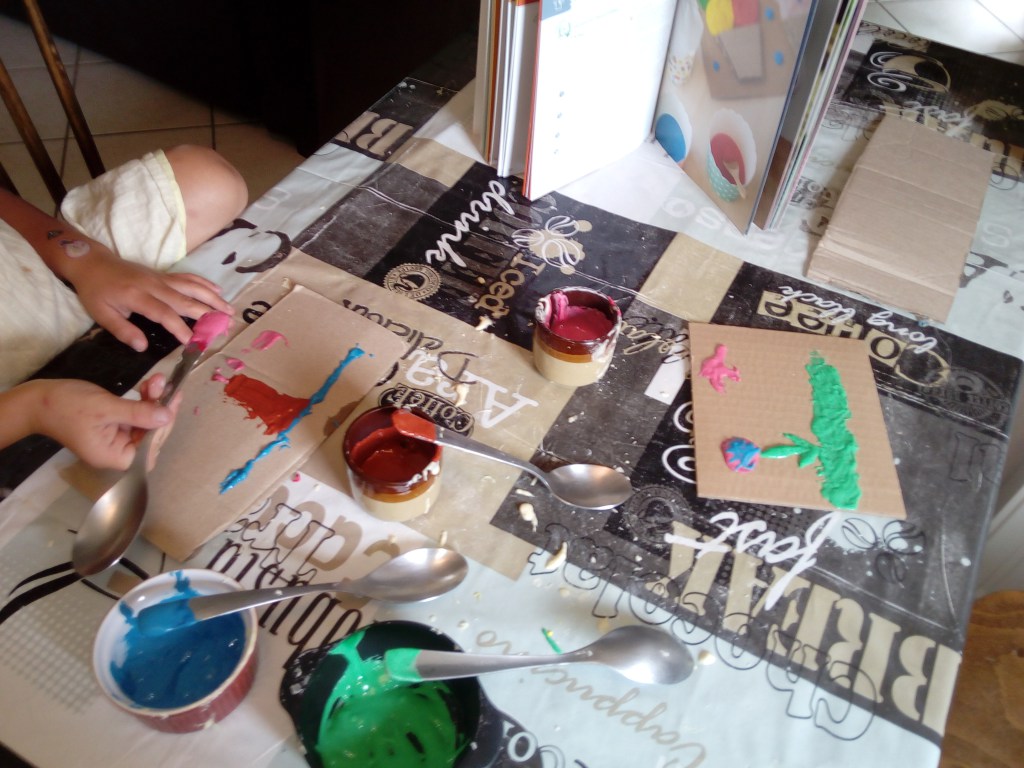
The puffy paint, which you could also call relief paint, pleased us a lot: depending on the dosage you get different textures to experiment with, and painting with thick paint feels lovely. We tried fingers, spoons and even a knife as tools, and once dry the finish is a surprise, soft and raised.

Setting Up a Sensory Play Session at Home
A little preparation makes messy play far more relaxed. Cover the table, keep a damp cloth nearby, and decide in advance which recipes are taste-safe and which are not, especially with toddlers around. If you are preparing a space for a very young child, our guide to the best newborn toys explains how sensory needs change in the first months.
Rotate materials rather than offering everything at once, and let children lead the exploration. For families who like to plan ahead, seasonal ideas such as Halloween costumes can be combined with themed sensory sessions, and a simple reward chart or shared calendar keeps the momentum going.
Store reusable doughs and paints in labelled containers, and photograph the results before they disappear. Older siblings often enjoy running the "recipe station" themselves, which builds reading and measuring skills along the way.

Who This Book Is For
The book is aimed at parents and children aged roughly four to twelve, which covers a wide span of attention and ability. Younger children will need a hand with measuring and pouring, while older ones can follow the steps alone and then improvise.
It fits neatly into holidays and rainy days, and it also works as a quiet weekend ritual. Families who enjoy making things together may also like our round-up of toys for Aussies or ideas for toys for 1 year old when the play moves from messy to structured. For parents who want to ease the pressure of self judging mothers, the calm, no-pressure projects here are a gentle place to start, and they pair well with Christmas solidarity initiatives that help every child join in.




My hands-on take
I tried a handful of these recipes with my own children, and the erupting volcano and paper pulp were the clear winners. The pulp ended up as a birthday activity, and watching a group of eight-year-olds crowd around the table was worth every bit of cleanup.
What I appreciated most was the unpredictability. The same recipe gave slightly different textures each time, and my kids quickly started guessing what would happen if we added a little more of this or that. The puffy paint became a favourite too: thick, satisfying to spread with fingers or a spoon, and surprisingly soft and raised once dry. Keep a damp cloth handy and don't expect a tidy table.
Frequently asked questions
What age is this book suitable for?
It is written for parents and children from about four to twelve years old. Younger children will need help with measuring and pouring, while older ones can follow the recipes independently.
Are the ingredients expensive or hard to find?
The recipes rely on inexpensive, safe basic materials. One exception is powdered Borax for slime, which has become harder to source, and substitutes give a less pleasant texture.
Are all the recipes safe to taste?
No. Some are edible, such as ice cream and coloured cookies, but many are for play only. Check each recipe before inviting young children to taste anything.
Can the recipes be reused?
Yes, many doughs and paints keep well when stored in labelled containers. Textures may vary between batches, which is part of the fun.
Product Reviews
 Best Toys for Dogs With High Prey Drive |
Best Outdoor Toys for 3-4 Year Olds |
Best Outdoor Toys for 6 Year Olds |
Best Harness for Poodle |
Best LEGO Sets for Adults |
Best Travel Toys for 4 Year Olds on Airplane |
Best Toy Stores in Washington DC |
Best Potty Training Toys |
Best Toys for Tripod Dogs |
Maillot equipe de france







