


Postpartum mental health deserves far more honest conversation than it usually gets. Motherhood is not a single uniform concept, and mothers, especially new ones, would benefit from no longer receiving the social message that maternity is a happy and exhilarating gift of self.
Postpartum depression is insidious, and mothers who suffer from it can struggle enormously to put words to their deep unease. The arrival of a child is a life event with a high potential for depression, and the gap between the socially valued image of a good mother and the ambivalence mothers can feel is what feeds it.

This does not mean motherhood cannot be a source of joy. It means recognising that for some mothers, and even for mothers who take pleasure in their role, mothering can feel heavy and tedious.
Quick takeaways
- Motherhood is ambivalent, anxious and uncertain, not uniformly blissful.
- The gap between the "good mother" image and real feelings feeds depression.
- Sleep deprivation after birth needs to be recognised and treated seriously.
- Visits should be scheduled, limited and turned into concrete help.
- Maternal instinct is a social construction, not an innate skill.
- Confidence takes time and should never be rushed or judged.
Motherhood is ambivalent, anxious and uncertain
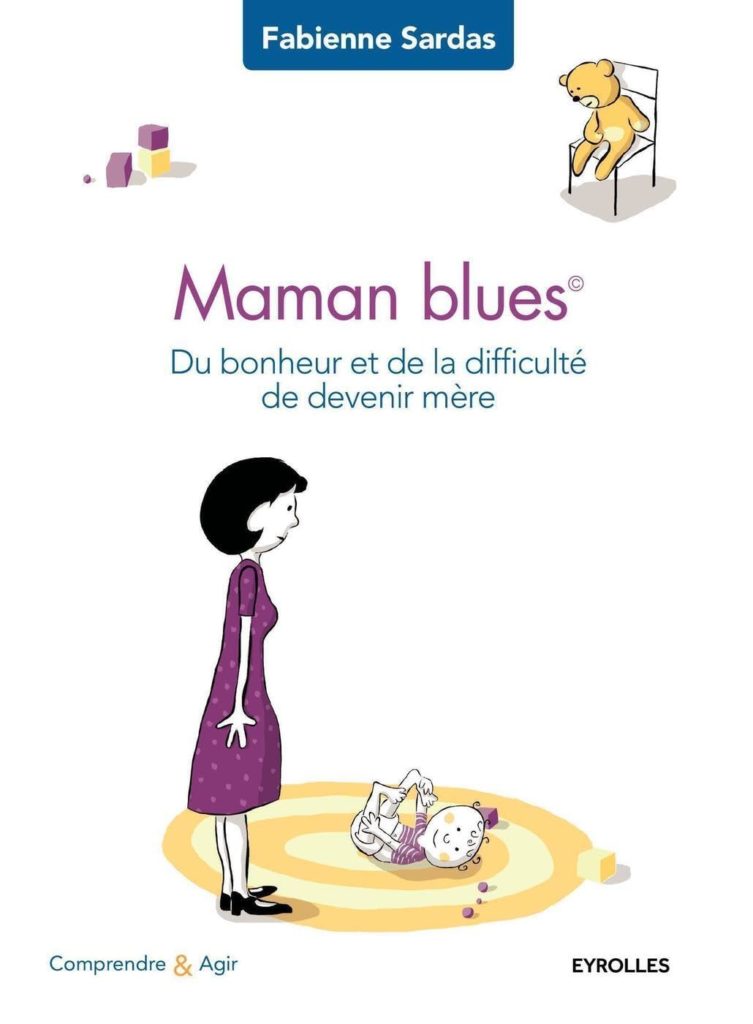
In her book on the happiness and difficulty of becoming a mother, Fabienne Sardas describes maternity as ambivalent, anxiety-provoking, uncertain, feverish and staggering. The gap between the valued social image of what a good mother is and the ambivalence mothers may feel is what makes the bed of depression.
She also points out that the gift of self is an unusual effort that is not within everyone's reach. That single idea can relieve a lot of pressure: not every woman experiences self-sacrifice as natural or sustainable, and admitting this is not a failure. If you are preparing for birth, it helps to read about the Kristeller maneuver so you know what may happen in the delivery room.
Joy and heaviness can coexist
Recognising difficulty does not erase delight. A mother can love her child deeply and still find the daily routine exhausting, boring or overwhelming on some days.
Rest and calm come first after birth
In the hours and days following birth, new mothers are significantly sleep-deprived and tired. When that fatigue is not recognised at its true measure and nothing is done to allow rest and calm, it can become fertile ground for later problems, from difficulty caring for the baby and bonding to depression.
It is worth planning ahead, and a maternity leave checklist can help you organise those first weeks realistically. Parents of a 15 month old baby will recognise how much the early months shape what comes later.
Visits are not a given
Hospital and home visits from delighted family and friends should not be taken for granted. Mother and baby need time and intimacy to get to know each other and adapt.

| Visitor behaviour | Effect on the mother | Better alternative |
|---|---|---|
| Arrives unannounced | Interrupts rest and bonding | Ask before coming |
| Holds the baby all afternoon | Leaves mother without closeness | Offer to do chores instead |
| Gives unsolicited advice | Undermines confidence | Ask what would help |
| Expects to be hosted | Adds fatigue and pressure | Bring a ready-made meal |
| Takes older children out | Frees time and attention | Keep offering this |
| Stays for hours | Exhausts the parents | Keep visits short |
How to make visits genuinely helpful
Keep a few ideas in mind for visits that support rather than drain. Say clearly when visits are possible, and dare to say no when you are tired or need to close the family cocoon. State explicitly how help can be given rather than waiting for people to guess.
Practical offers work best: bringing a ready-made meal, doing shopping from a list the new parents provide, starting a load of laundry, emptying the dishwasher, vacuuming, or taking the older children out. This kind of request lets you enjoy the visit while protecting the parent-baby bond and preserving yourself, especially as a new mother.
If siblings are part of the picture, think about how grandparents fit in too; these parenting rules are easier to align before the baby arrives. A baby sleep plan also protects the rest you need.
The maternal instinct does not exist
As soon as we speak of instinct, we speak of something innate. When we speak instead of programming, meaning cultural socialisation, we are saying there is a way of socialising girls and boys so that women are seen as the person naturally responsible for childcare. In that view, the notion of instinct becomes a social construction: it is mothers who are expected to care for the child, get up at night, comfort and feed.
Confidence can take more or less time to settle, and it should be neither rushed nor interrupted by unwanted visits, unsolicited advice or rigid schedules. Parental skills are always being adjusted and need benevolent support. Talking to the child, handling him carefully, bathing, dressing, interacting and calming his cries can take a while.
Sardas often reminds mothers who fear doing wrong that washing and care gestures are not gestures that put their child's life in danger. If you are expecting, a baby shower is a good moment to set expectations with loved ones.
Responsibility versus guilt
The real question is the suffering of women who become mothers, induced by socialising girls as naturally gentle, loving people whose primary function is to give life. When a woman becomes a mother, the line is thin between responsibility and guilt.
Responsibility means giving the bath, getting up at night, tidying, cooking, listening to every family member's emotions, planning, supervising homework and loving. Guilt means not managing to match the model, not loving the child enough, or not enjoying being a mother. Naming the difference helps. Reading about the placenta or the 9 month old baby stage reminds us how physical this whole journey is.
Play is part of the answer too: the importance of play applies to parents as much as children. And if you are expecting again, a pregnancy time lapse can be a gentle way to mark the months.

My hands-on take
I remember sitting on the edge of the bed in those first weeks, convinced everyone else found this effortless. What helped most was not advice but small, specific offers: someone taking the laundry basket without asking, someone bringing food I did not have to think about.
When visitors came, I learned to say a time window and stick to it. It felt rude the first time and merciful the second. If I could pass one thing on, it is that confidence with your baby is built by doing, slowly, and that needing rest is not a character flaw.
Frequently asked questions
Is postpartum depression really that common after birth?
The arrival of a child is described as a life event with a high potential for depression. It is insidious, and mothers often struggle to put words to their deep unease, which is why the gap between the ideal image and real feelings matters so much.
Does admitting motherhood is hard mean I do not love my baby?
No. The point is not that motherhood cannot be a source of joy, but that mothering can also feel heavy and tedious, even for mothers who take real pleasure in their role.
What is the maternal instinct debate really about?
When we talk about instinct we imply something innate; when we talk about socialisation we describe how girls and boys are raised so that women are seen as naturally responsible for childcare. The notion of instinct then becomes a social construction rather than a biological certainty.
How can I ask for help without feeling guilty?
State explicitly what would help, such as a ready-made meal, shopping from a list, a load of laundry or taking the older children out. Concrete requests let you enjoy the visit while protecting the parent-baby bond.
Product Reviews
 Best Toys for Dogs With High Prey Drive |
Best Outdoor Toys for 3-4 Year Olds |
Best Outdoor Toys for 6 Year Olds |
Best Harness for Poodle |
Best LEGO Sets for Adults |
Best Travel Toys for 4 Year Olds on Airplane |
Best Toy Stores in Washington DC |
Best Potty Training Toys |
Best Toys for Tripod Dogs |
Maillot equipe de france







