


A pediatric dentist is a dental professional trained specifically to care for children's teeth, from early childhood through the teenage years. This specialist in children's oral health understands both the medical side of young patients' needs and the gentle, reassuring approach their behaviour requires. Choosing a pediatric dentist means services adapted to make dental care less stressful for your child.
Because this practitioner has followed specific training in the medical care of children, the whole appointment is designed around young patients rather than scaled down from adult care. In this guide we walk through the role of the pediatric dentist, the importance of an early first visit, how pain and anxiety are managed, and how to pick the right practice for your family.

Quick takeaways
- A pediatric dentist is specially trained for children's dental needs and behaviour.
- Book a first visit when the first tooth appears, or by the first birthday.
- Regular check-ups every six months or annually catch problems early.
- Digital X-rays and child-sized equipment make care safer and more comfortable.
- Honest preparation at home helps reduce dental anxiety.
- Choose a practice with a warm manner, a child-friendly space and good recommendations.
What a Pediatric Dentist Actually Does
The core of the job is prevention and treatment. A pediatric dentist works to prevent cavities and treats dental disease when it appears, and may apply a fluoride treatment to strengthen the enamel. They can also intervene on decayed or fractured teeth, whether those are baby teeth or permanent ones, and they keep an eye on tooth alignment and jaw growth.
Beyond the chair, they educate children and advise parents on oral hygiene, including guidance on a balanced diet to prevent dental problems. They can recommend a suitable fluoride toothpaste and show how to use dental floss. Much of this coaching depends on clear communication, and the same effective communication skills you build at home help a child understand what is happening in the surgery.
Tools Built for Small Patients
Pediatric practices use digital X-rays to reduce radiation exposure, along with lasers for more precise, less invasive treatments. Equipment is sized to fit children, which makes care more comfortable. For a child who is anxious, even the waiting room matters, and a familiar comfort object can make the visit easier, much like the care needed to wash stuffed animals that come along for reassurance.
Why an Early First Visit and Regular Check-Ups Matter
It is recommended to book a first visit as soon as the first tooth appears or, at the latest, by the child's first birthday. This early contact sets a baseline and lets the dentist spot anything unusual while it is still simple to address. It also gives parents a chance to ask questions while habits are still forming.
Regular follow-ups every six months, or an annual visit, allow the dentist to monitor how your child's dentition is developing and to treat problems quickly. Consistency is what makes prevention work: small issues are caught before they become painful ones. Just as you track other milestones, such as tummy sleep safety or how a pregnancy test fits into family planning, dental check-ups become a predictable part of your routine.
Children grow and change quickly, and so do their mouths. A schedule that feels routine removes the element of surprise and helps a child accept the appointment as a normal part of life.
| Stage | What to expect | Parent's role |
|---|---|---|
| First tooth to age 1 | First check-up and prevention advice | Book early and ask questions |
| Toddler years | Monitoring growth and fluoride guidance | Brush together and limit sugary snacks |
| School age | Check-ups every six months or annually | Prepare your child honestly before visits |
| Special needs | Adapted care and anxiety management | Share your child's needs with the dentist |
| Choosing a practice | Warm manner and child-friendly space | Ask other parents and your pediatrician |
Managing Pain and Dental Anxiety in Children
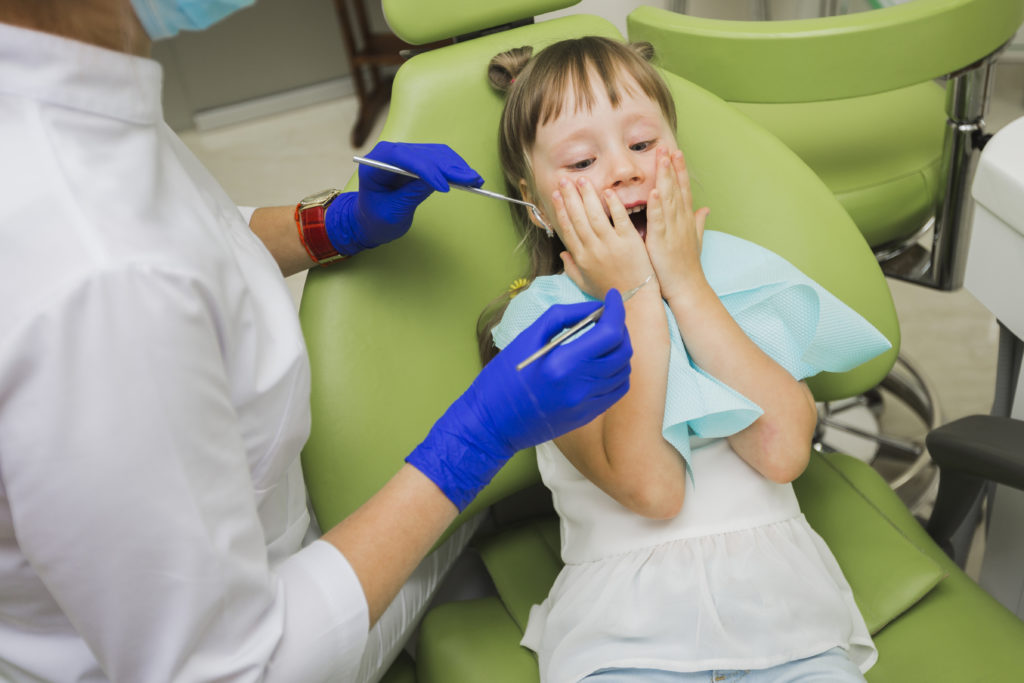
Pediatric dentists can use methods to reduce a child's anxiety, including conscious sedation where appropriate. They can also prescribe medication to relieve pain after treatment. For children with special needs, including chronic illness, disability or behavioural disorders, they can adapt dental care to suit the individual child.
Parents have a real role here too. You can prepare your child by describing what will happen in order: "The dentist will first do this, then that, and finally take this." You can offer choices, such as asking whether it would help to bring a comfort toy or hold your hand. It also helps not to lie and to reflect your child's emotions honestly: "It may hurt. I know you don't like it, and I'll stay with you the whole time."
That honest, steady presence builds trust that carries into future appointments. Children read our tone closely, so a calm parent often produces a calmer child.
How to Choose the Right Pediatric Dentist
Look for a warm, communicative approach. A good dentist explains care simply and reassuringly to both children and parents, adopts a playful manner to build confidence (using a soft toy or doll, for example), and takes the drama out of treatment. A welcoming, child-friendly environment, including a suitable waiting room, makes a real difference to how a child feels on arrival.
Word of mouth is invaluable: ask other parents or your pediatrician for recommendations. As you compare practices, treat it like any careful choice, whether you are picking the best toy stores for a birthday or a toys for two year olds gift. The right fit matters more than the nearest address.
Weighing these criteria raises your chances of finding a competent pediatric dentist who will care for your child's oral health while offering a kind experience, the foundation of their future relationship with dental care.

Building a Positive Relationship With Dental Care
A child's early dental experiences shape how they feel about check-ups for years. When visits are gentle, predictable and explained in advance, children learn that care is something done with them, not to them. That foundation is worth protecting.
The habits formed now, from brushing to healthy snacks, follow a child into school and beyond. Pairing dental routines with other everyday learning, such as movies that teach lessons or the back to school rewards you use to mark progress, keeps the message positive. And just as you nurture bonds between siblings, you can encourage older children to model good brushing for younger ones.
None of this requires perfection. Small, consistent steps and a dentist your child trusts are what carry the day.

My hands-on take
When my own child's first tooth came through, I put off booking because it seemed too early and I worried about how a toddler would cope in the chair. I was wrong to wait. The first appointment was short and mostly talk: the dentist showed me how to brush, asked about snacks and let my child hold a small mirror. That visit did more for our routine than any advice I had read.
What helped most was preparing honestly beforehand. I described each step in order, offered to hold a hand, and did not promise it would never hurt. Some visits went smoothly and some did not, and that was fine. The steady, familiar practice and a dentist who explained things kindly made the difference, and now check-ups are simply part of our calendar.
Frequently asked questions
When should my child first see a pediatric dentist?
Book a visit as soon as the first tooth appears, or at the latest by your child's first birthday. Early contact lets the dentist check development and gives you hygiene advice while habits are still forming.
How often should check-ups happen?
Regular visits every six months, or an annual visit, allow the dentist to monitor your child's dentition and treat problems quickly. Your dentist may adjust the schedule to your child's needs.
Can a pediatric dentist help an anxious child?
Yes. Pediatric dentists are trained to manage children's behaviour and anxiety, and may use techniques such as conscious sedation where appropriate. They can also prescribe pain relief after treatment.
What if my child has special needs?
Pediatric dentists can adapt care for children with chronic illness, disability or behavioural disorders. Tell the practice in advance so the team can prepare the appointment around your child.
Product Reviews
 Best Toys for Dogs With High Prey Drive |
Best Outdoor Toys for 3-4 Year Olds |
Best Outdoor Toys for 6 Year Olds |
Best Harness for Poodle |
Best LEGO Sets for Adults |
Best Travel Toys for 4 Year Olds on Airplane |
Best Toy Stores in Washington DC |
Best Potty Training Toys |
Best Toys for Tripod Dogs |
Maillot equipe de france







