


A child's brain is built in relationship with the adults who care for them, which means that addressing a parent's traumatic memory can genuinely shift problematic behaviors within the family.
Children do not grow "out of thin air." They depend on the adults around them and develop through connection, carrying the history, values and unconscious patterns of their caregivers. That parental story shows up as an attachment style, and it inevitably influences parent-child relationships.

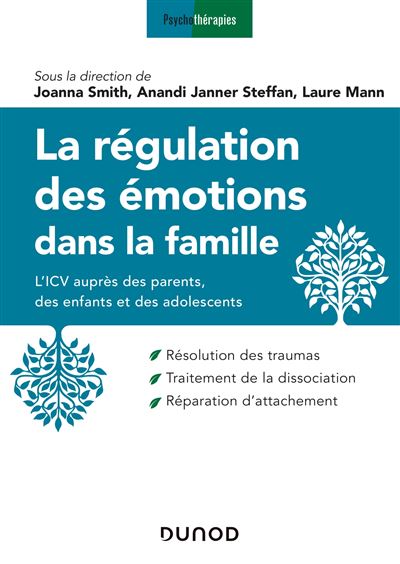
This article explores how a parent's unresolved history can disturb even the best intentions to be nurturing, and how integrating that memory into a coherent life story helps the whole family breathe more easily.
Quick takeaways
- A child's brain develops through relationships with caregivers.
- Parental trauma and attachment style influence child behavior.
- Stress, fatigue and isolation can trigger traumatic memory.
- Untreated trauma keeps "living" in the present and distorts reactions.
- Integrating memory into a life story supports calmer parenting.
- Repair after rupture matters more than perfection.
How Parental Trauma History Shapes Family Relationships
In family life there is always a relational loop at work: a child behavior that troubles adults is embedded in a relationship, and that relationship may itself be strained by a parent's traumatic history. Taking parents' lived experience seriously means asking how their story affects the child's functioning.
The construction of a child's emotional system depends largely on the quality of emotional regulation their attachment figures can offer. Those figures are usually the people who care for the child most, typically mother and father. In turn, a parent's capacity to regulate depends on their own attachment style and traumatic memory.
Stress, fatigue and isolation are common triggers that activate traumatic memory more often, which is why a difficult evening after a sleepless night can feel so disproportionate. When a parent works through their own childhood story, it has a calming effect on family relations and on so-called "difficult" behaviors. Small daily habits of repair matter here, much like the patience needed when handling a spill calmly. Recognizing influenza symptoms early can also ease family stress.
Parent Attachment Style and Child Attachment Style
A parent's attachment style plays a role in forming the child's attachment style, so addressing parental trauma on one hand and attachment difficulties on the other is essential for the child's state to improve. Once the parent acts differently, the child can act differently too, no longer needing problematic behaviors to find their place or meet their needs.
When a parent becomes the source of a child's dysregulation rather than its regulation, the child faces a paradox: the source of fear is the very person they instinctively turn to in distress. This is where tendencies toward disorganized attachment emerge. The parent's traumatic memory can keep activating and "radiate" into later generations, with children unwittingly carrying their parents' history and expressing unresolved trauma through sometimes overwhelming symptoms (Delage & Cyrulnik, 2010; Lachal, 2006, as cited by Smith, Jannet and Mann).
Helping a parent feel safer by integrating traumatic memory into their autobiographical narrative allows more attuned reactions: asking the other parent for help, or offering a calmer presence in moments that previously triggered trauma. Learning to manage aggression calmly in yourself is part of that same work. Small daily routines, such as preparing for daycare or choosing fun pajamas, can also support a calmer family atmosphere.

| Aspect | Traumatic memory | Integrated story |
|---|---|---|
| Awareness | Unconscious | Conscious |
| Sense of time | Undifferentiated | Marked in time |
| Expression | Flashbacks, panic, numbness | Tellable narrative |
| Effect on parenting | Reactive, disproportionate | Attuned, calmer |
| Family impact | Radiates across generations | Supports secure attachment |
Integrating Traumatic Memory Into Autobiographical Story
The Life Cycle Integration approach aims to integrate traumatic memory, which is unconscious, unspeakable, undifferentiated in time, marked by panic attacks, flashbacks, hyperreactivity or emotional numbness and absence, into autobiographical story, which is conscious, time-marked and tellable. It relies notably on building a Timeline and on parenting the parent's inner child or baby.
If trauma is left untreated, it risks continuing to "live" in the present as though it had just happened, altering the parent's behaviors and perception of the world and relationships. Trauma then deeply modifies the parent's state of being, who may organize their life around this buried but still active memory (Smith, Jannet and Mann).
No one expects a parent to do this alone or overnight. Gentle, repeated reflection, whether through journaling, therapy or supportive conversation, gradually turns raw fragments into a story with a beginning and an end. Even ordinary routines, like teaching tooth brushing without tension, become chances to practice calm presence.
No Longer Letting the Unconscious Damage Family Relations
When traumatic memory stays dissociated, it operates quietly in the background of daily decisions, reactions and interpretations. A parent may find themselves overreacting to a minor mess or withdrawing at exactly the moment a child needs warmth. Recognizing these patterns is the first step toward interrupting them.
Building a coherent narrative does not erase the past, but it places it in time. The parent can then say, "This belongs to my history, not to this moment," and respond to the child in front of them rather than to an echo of someone else. That shift often softens bedtime battles, morning rush and sibling friction.
Practical supports help: naming feelings out loud, pausing before reacting, and repairing after a rupture. Parents navigating stressful seasons, such as long-distance family trips, benefit from planning rest and lowering expectations to reduce triggers. Calmer routines also make shared activities easier, whether that means swimming with children who need predictability or finding natural places close to home.
What This Means for Everyday Parenting
Understanding the relational loop is not about blaming parents. It is about offering a hopeful, actionable view: the adult's inner work is itself a form of care for the child. When a parent feels safer, the child's need to signal distress through behavior often decreases.
This perspective also reframes "problem behaviors" as communication. A child who acts out may be trying to find their place or meet a need through the only channel available to them. Responding with curiosity rather than punishment opens the door to change, and everyday safety habits, such as checking bunk bed safety, reflect the same protective mindset.
Finally, remember that regulation is a skill built over time, not a personality trait. Small, repeatable moments of calm connection accumulate into the secure base a child's brain is wired to use.

My hands-on take
I remember a stretch when every small mess at home set me on edge, and I could not explain why a spilled glass felt like an emergency. What helped was not a grand revelation but slowing down and asking myself, quietly, "Whose story is this reacting to?" Naming that aloud with my partner, without turning it into an accusation, took a lot of the charge out of those moments.
I also started building a simple timeline of my own childhood in a notebook, a few lines at a time. It felt awkward at first, then oddly relieving. On hard days I still pause before responding, and I repair when I get it wrong. That repair, more than any perfect reaction, is what my child seems to remember.
Frequently asked questions
Does this mean parents are to blame for their child's behavior?
No. The point is not blame but understanding that behavior unfolds within a relationship. A parent's history can shape reactions without making them at fault, and working on that history is a constructive step.
Can a parent's trauma really affect a child's attachment?
Yes. A parent's capacity to regulate emotions depends on their own attachment style and traumatic memory, and children build their emotional system largely from that regulation. Addressing parental trauma and attachment difficulties together gives the child room to change.
What does integrating traumatic memory actually involve?
It means turning fragmented, timeless traumatic memory into a conscious, time-marked story you can tell. Approaches such as Life Cycle Integration use a Timeline and inner-child work, often with professional support.
When should a parent seek help?
If stress, fatigue or isolation regularly trigger strong reactions you later regret, or if you notice panic, flashbacks or numbness, consider talking to a qualified therapist. Support is a sign of strength, not failure.
Product Reviews
 Best Toys for Dogs With High Prey Drive |
Best Outdoor Toys for 3-4 Year Olds |
Best Outdoor Toys for 6 Year Olds |
Best Harness for Poodle |
Best LEGO Sets for Adults |
Best Travel Toys for 4 Year Olds on Airplane |
Best Toy Stores in Washington DC |
Best Potty Training Toys |
Best Toys for Tripod Dogs |
Maillot equipe de france







