


Family memories are not made only of birthdays, holidays and big occasions. They also grow out of everyday gestures: a story read before bed, a shared fit of laughter, a walk together or a quiet moment of tenderness.
As children grow, they gradually discover their own personal history. They love hearing about their birth, looking at photographs of themselves as babies and understanding how their family has changed. Sharing these memories becomes a chance to talk, to put words on emotions and to feed a sense of belonging.

Here are six simple ideas for making room for memories in family life, without trying to keep everything or to create perfect moments.
Quick takeaways
- Tell your child their birth and baby stories, using concrete, age-appropriate anecdotes.
- Make an album of ordinary moments, not just birthdays and holidays.
- Keep a small box of meaningful objects and open it together.
- Respect each parent's feelings about the early years and any keepsakes they choose.
- Invent simple weekly rituals where everyone can share a memory.
- Stay flexible: memories can be retold, added to and revised over time.
Telling your child their own story since birth
Children often ask questions about their first years: “What was I like as a baby?”, “Did I cry a lot?”, “Who gave me my name?” These questions are lovely openings for telling their story. Parents can recall the first days at home, the people who came to meet the baby or the little habits that made everyone smile.
Concrete anecdotes work best, told in words suited to the child's age. For example: “When you were very small, you loved falling asleep in our arms while we sang this song.” Or: “The first time you saw the sea, you spent ages watching the waves.” The goal is not an idealised story but shared moments told honestly. Let your child ask questions and say what they feel.
Why this matters
Hearing their own story helps a child connect the past to the present. It also gives them language for feelings, which supports the kind of steady emotional guidance described in these parenting commandments.
Creating an album of small everyday moments
Family albums usually hold the big steps: birthdays, holidays and first days at school. Yet ordinary scenes deserve keeping too. A game on the living-room floor, a cake made together or a walk in the rain can bring back moments of closeness. Why not make an album devoted to these small instants?
Each family member can choose a few photographs and explain why they like them. Children who can write may add a sentence or a personal memory, while younger ones can draw or pick the pictures. This activity also shows that several people can keep different memories of the same event, which is a gentle first lesson in perspective.
For very young children, choose images they can recognise easily, and let them handle the pages with you rather than alone. If you are gathering ideas for the little ones, these toys for 2 year olds and outdoor toys can inspire everyday scenes worth photographing.
| Activity | Best age range | What you need | Time involved |
|---|---|---|---|
| Birth-story telling | Any age | Just your memories | A few minutes |
| Everyday photo album | 3 years and up | Printed photos, paper | An afternoon |
| Family memory box | 4 years and up | A box, a few objects | Ongoing |
| Weekly memory ritual | 4 years and up | A calm moment | 10-15 minutes |
| Keepsake for parents | For adults | A chosen object or photo | One-off |
Using objects to tell the family story
Some objects carry special emotional value. A first garment, a baby blanket, a drawing, a much-read book or a gift received on an important occasion can bring memories back. A small family box gives them a place. You do not need to collect a lot: a few objects chosen for their meaning are enough.
When the child is older, open the box together and tell the story behind each keepsake. The objects can also be a starting point for talking about birth, early childhood and the changes the family has lived through. The child can then add their own memories: a photo, a creation or something they want to keep. Little by little, the box becomes a shared project.
If you are preparing for a first baby, this is a lovely habit to start early, alongside the practical preparations covered in this guide to maternity leave.
Welcoming the emotions linked to the early years
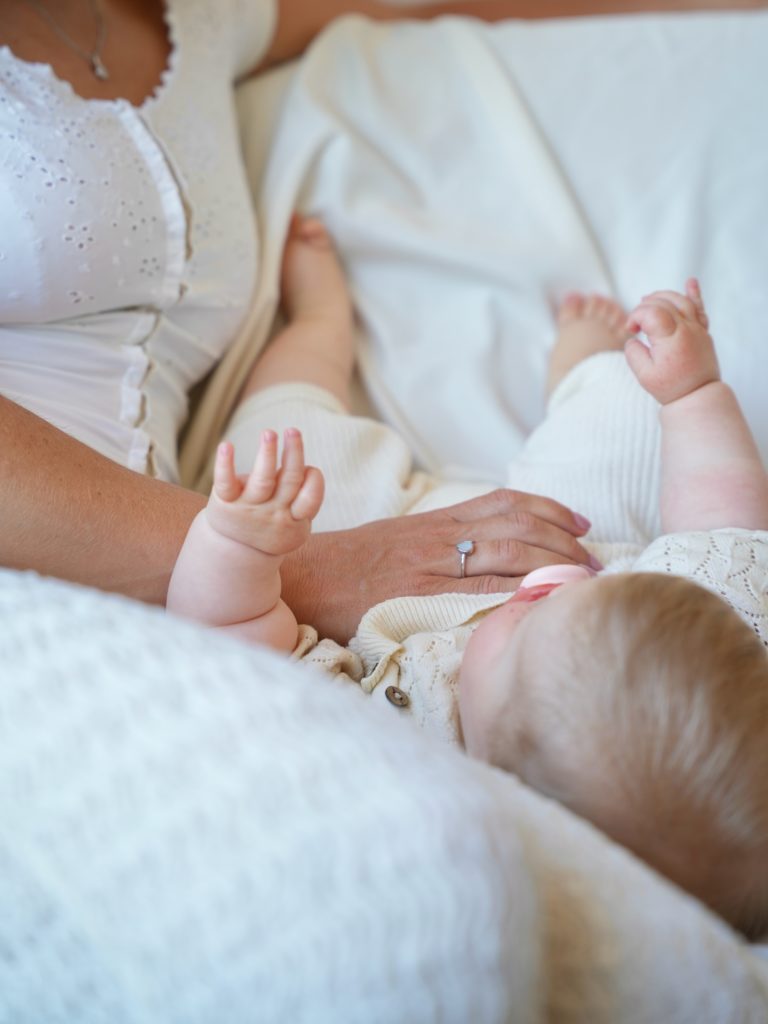
The first years of parenthood are lived very differently from one family to another. Birth, the first months with a baby and the changes of daily life sometimes come with joy, tiredness, uncertainty or contradictory feelings. Breastfeeding, in particular, can be an important step for some mothers: for some it brings closeness, for others it recalls difficulties, adjustments or complex choices. Every birth story is unique, and even shorter mothers may find their own rhythm.
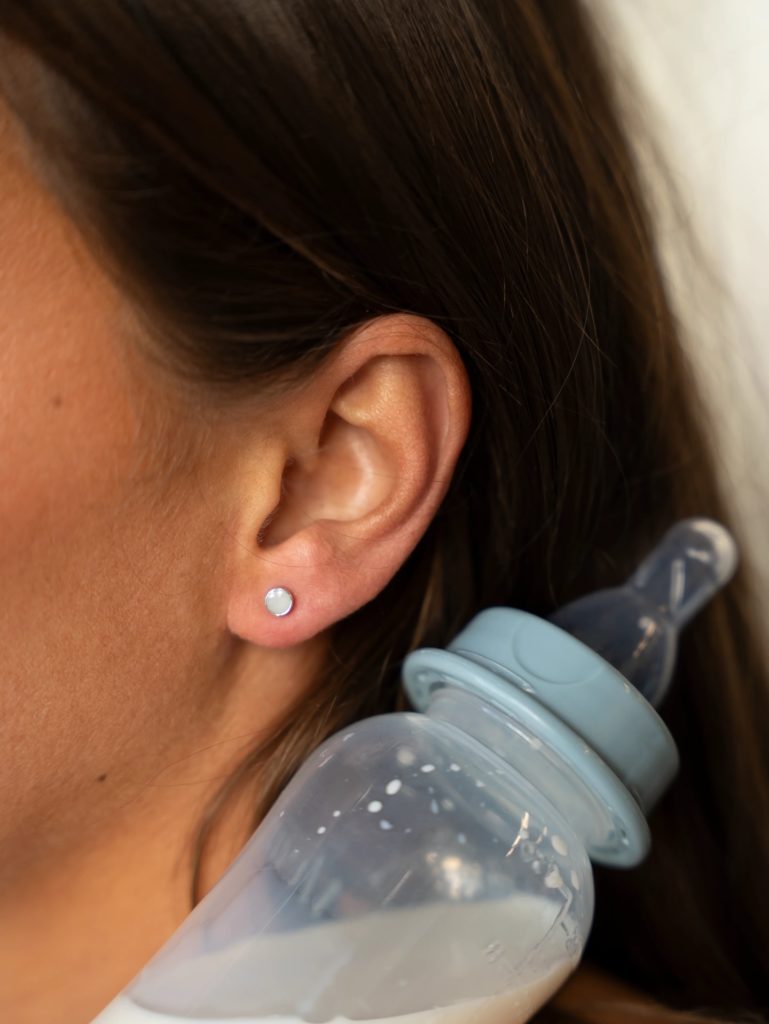
There is no single way to live motherhood, and every experience deserves respect. Some mothers keep a photograph, write a few pages in a notebook or save a symbolic object from that period. Personalised creations, such as breast-milk jewellery, can turn a small quantity of milk into a keepsake for those who want one. It is not a necessary object for preserving the bond with a child, just one option among others for giving a memory a concrete form.
What matters is respecting each parent's experience and preferences. If the early days feel overwhelming, these postpartum care tips can help you find your footing. Parents of multiples can also find sleep tips useful.
Inventing family rituals that create time together
Family rituals offer moments of availability and sharing. It might be a Sunday walk, a meal prepared together, a story at bedtime or a special activity at each change of season. These habits need not be expensive or complicated; their value lies in the pleasure of being together.
One idea is a small memory ritual. Once a week, everyone can share a pleasant moment, a discovery or something that made them laugh. Parents can offer open questions: “Which moment did you enjoy this week?”, “What surprised you?”, “Is there something you would like to do again together?” Do not force an answer: a child may want to talk a lot one day and prefer to listen the next.
These exchanges can become a natural way to talk about emotions and experiences. Quiet, low-key activities often suit this best, such as the options in these quiet toys for younger children.
Keeping memories flexible as children grow
Memories do not have to be fixed or complete. A story can be retold, a photo added later, an object put away and then found again. What counts is that the child feels free to ask, to add and even to disagree with the family version of events.
Some children love detail and ask for the same story again and again; others prefer short mentions slipped into daily conversation. Follow their lead rather than turning memory-keeping into a task, keeping in mind the adult's authority in front of the child. A relaxed approach leaves room for the unexpected, and that is often what children remember best.
As children get older, they may also enjoy comparing their childhood with how children live elsewhere, such as in this look at how children worldwide prepare for festive moments.

My hands-on take
In our house, the memory box started almost by accident. I had kept a tiny knitted hat and a folded drawing from nursery, and one rainy afternoon my child found them in a drawer and asked what they were. We ended up sitting on the floor for an hour while I explained each object, and then they disappeared to add a pebble from the garden and a ticket stub from a fair.
What I learned is that the box does not need to be tidy or complete. Ours is a jumble, and every so often someone adds something new. The weekly ritual was harder to establish at first, because my questions were too broad. Once I started asking about one specific moment, like the funniest thing that happened at school, the conversation became much easier and often carried on well past bedtime.
Frequently asked questions
At what age can we start telling a child their birth story?
You can start from the toddler years, using simple words and short anecdotes. As the child grows, the same story can be told with more detail and their own questions can guide the conversation.
What if I don't remember much about my child's first months?
That is common and completely fine. Photographs, messages, a baby book or relatives' memories can help fill the gaps, and honesty about what you do and don't recall is part of an authentic story.
Do we need to buy special albums or boxes?
No. A simple notebook, an envelope or any sturdy box works well. The value comes from the meaning of what you keep and the conversations around it, not from the materials.
What if my child isn't interested in family memories?
Interests vary, and that is normal. Offer opportunities without pressure, keep rituals light, and let your child come back to them when they feel like it.
Product Reviews
 Best Toys for Dogs With High Prey Drive |
Best Outdoor Toys for 3-4 Year Olds |
Best Outdoor Toys for 6 Year Olds |
Best Harness for Poodle |
Best LEGO Sets for Adults |
Best Travel Toys for 4 Year Olds on Airplane |
Best Toy Stores in Washington DC |
Best Potty Training Toys |
Best Toys for Tripod Dogs |
Maillot equipe de france







