


Emotion sensations are the physical signals that come with every feeling, and learning to notice them is one of the most useful skills a child can build. Emotional intelligence and resilience grow from body awareness and from a vocabulary rich enough to describe what is happening inside.
Knowing yourself starts with listening to yourself, and that means listening to your body: recognising, identifying and naming the sensations that accompany each emotion. When a child can say "my chest feels tight" instead of only "I'm angry", the feeling becomes something they can work with rather than something that overwhelms them.

Quick takeaways
- Six primary emotions are widely recognised: anger, sadness, joy, fear, disgust and surprise, with shame often added.
- Every emotion arrives with physical sensations that can be noticed and named.
- Sensations point to emotions, emotions point to unmet needs, and needs drive our requests.
- Judgments and criticism are often misread expressions of unmet needs.
- Naming sensations out loud models the skill for children better than instructions do.
- Awareness of our own body opens the door to empathy for others.
Why Naming Body Sensations Matters
Most specialists agree on six primary emotions: anger, sadness, joy, fear, disgust and surprise. Many would add shame, and others also list love, trust or jealousy, along with every shade in between, from mild disappointment to a full rage crisis, from quiet astonishment to terror. Whatever the list, each emotion arrives with body movements and sensations.
Building a rich vocabulary around those sensations lets a child become fully aware of themselves and know themselves better. Without that clarity, misunderstandings with the people around us become likely, because arguments and conflicts are mostly tied to our representations, beliefs and emotions. When we cannot tell exactly what we feel, it is hard to make clear, positive requests connected to our real needs. Much like displaying sets without dust, this awareness takes deliberate attention and care.
A chain worth understanding
Sensations inform us about emotions, emotions inform us about unmet needs, and those needs sit at the source of our requests. Judgments, criticism and verbal or physical attacks are tragic expressions of unmet needs that were never recognised, often because body sensations were denied or misread.
The Vocabulary of Sensations, Emotion by Emotion
Anger shows up when something or someone irritates, stresses or frustrates me, when my physical or emotional integrity feels threatened, when I sense injustice for myself or others, or when I feel powerless. The body answers with a fast pulse, weight on the chest, flared nostrils, quick breathing, frowning eyes, clenched jaws, pinched lips, a raised voice or shouting, contractions and hot flushes.
Sadness follows a loss or the risk of losing someone or something important, a need for compassion and support, or the pain of separation. Watch for tears, trembling lips, a breaking voice, a tight throat, pale skin, dark thoughts, isolation and a sense of helplessness. Joy appears when an idea, a person or something makes me smile, when I feel happy, when I succeed, when I am connected: smiling, easy breathing, an open ribcage, energy, lightness, coloured skin.
Disgust arises when something or someone invades me or feels harmful: nausea, the urge to vomit, an unpleasant taste, narrowed nostrils, pinched lips, the wish to step back. Surprise comes from something unexpected: wide eyes, the impression of not understanding, feeling coiled like a spring. Shame comes when I act against my values, when I am judged or mocked, or when someone breaks my frame of reference: lowered gaze, curved back, closed mouth, the urge to cry or disappear. Fear signals imminent or remembered danger, the unknown, or danger that feels unstoppable: trembling, a neck pulled into the shoulders, a fearful look, stomach ache, difficult breathing, a feeling of suffocation.

| Emotion | Typical trigger | Body sensations to notice |
|---|---|---|
| Anger | Frustration, injustice, feeling powerless | Fast pulse, tight chest, clenched jaw, hot flushes |
| Sadness | Loss or fear of loss, separation | Tears, tight throat, pale skin, urge to withdraw |
| Joy | Success, connection, something pleasing | Smiling, open chest, easy breathing, lightness |
| Fear | Imminent or unknown danger | Trembling, stomach ache, difficult breathing |
| Shame | Acting against values, being judged | Lowered gaze, curved back, urge to disappear |
What Changes When Children Learn This
Understanding emotions invites slowness, mindfulness and a return to contact with the body. Paying attention to painful or unpleasant emotions, starting from sensations, lets us act on events when they are controllable, or act on our emotions when they are not. This is the same patient work parents do when they manage parental stress in the early months, and it pays off for the whole family.
Understanding what happens inside us also opens the door to empathy. When I recognise and understand what is going on in me, I can imagine and understand what is going on in someone else. That capacity for empathy is an opening toward compassion and a less violent world, as the idea that a peaceful citizen is a peacemaking citizen suggests. It is a slow habit, built day by day, much like the routines that help a household get kids showering without daily battles.
Practising at Home, Without Pressure
You do not need a curriculum. Name your own sensations out loud during ordinary moments: "my shoulders are tight, I think I'm worried about tomorrow". Children copy this modelling far more readily than instructions, and it works alongside the calm atmosphere you build when you keep a child warm on a cold morning or handle small daily logistics without rushing.
Keep a short list of body words visible, and let children point to a body part when words fail. Offer sensory tools that help a child settle and notice their body, such as the options in this guide to sensory toys for toddlers, and remember that play itself is where much of this learning happens. A calm, predictable home base supports the same awareness, which is why family stability matters so much, including the effort described in these keys after divorce. If bedtime often stretches out, these fall asleep can help, and a settled home also makes dog training easier.
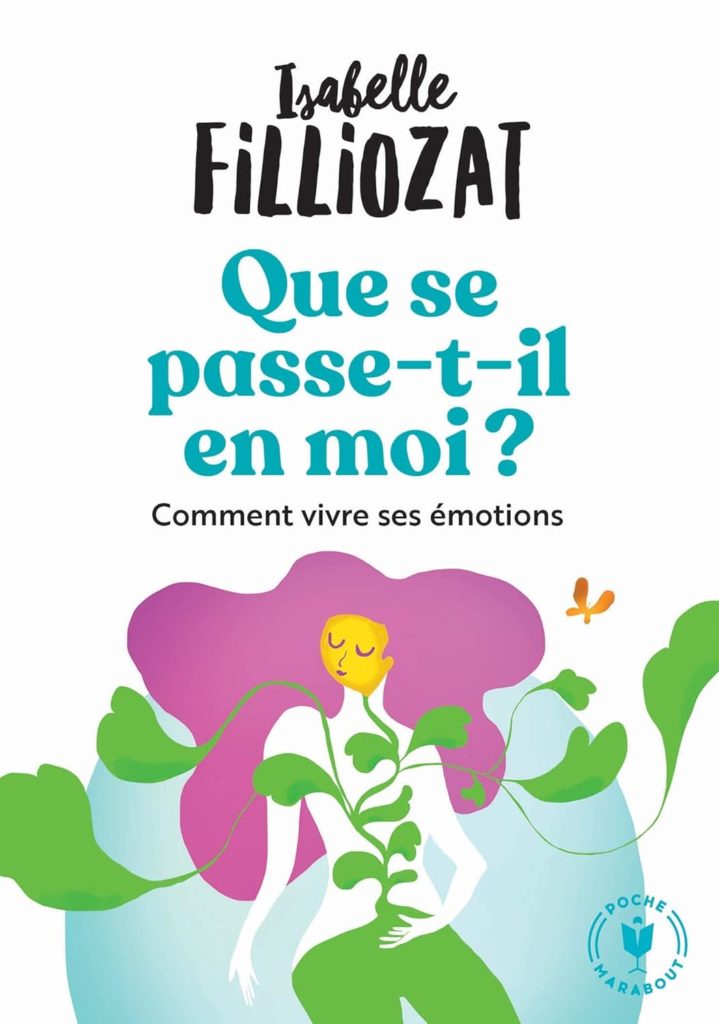
Making Room for Empathy and Repair
When a child shouts, the useful question is not "why are you being difficult" but "what is happening in your body". That shift turns a conflict into information. It also helps parents stay steady when big feelings fill the room, and it pairs well with the practical calm described in parenting with books that invite conversation rather than lecture.
Finally, remember that this is a long game. Progress shows up in small moments: a child saying "I need a minute" instead of slamming a door, or a parent noticing tension before losing patience. Each of those moments builds the vocabulary and the trust that make the next difficult moment easier to handle.

My hands-on take
I started doing this almost by accident, during a tense evening when I said out loud that my jaw felt tight and my shoulders were up near my ears. My child looked at me and said his tummy felt funny too. That small exchange changed the tone of the whole evening far more than any lecture would have.
Since then we play a simple game at dinner: everyone names one sensation from the day and guesses which emotion went with it. Some nights it is silly, some nights it opens a real conversation. I have learned to keep my own descriptions honest and short, because children notice when the words are performed rather than felt.
Frequently asked questions
At what age can children start naming sensations?
Children can point to body parts and use simple words like "tight" or "hot" well before they can explain emotions. Keep the vocabulary concrete and short, and let the words grow with the child.
What if my child cannot identify any sensation?
Start with obvious physical experiences such as a racing heart after running or a tight throat before crying. Practising during calm moments makes recognition easier when emotions rise.
Does this approach mean I should never say no?
No. Naming feelings is not the same as accepting every behaviour. You can set a clear limit while still acknowledging the sensation and the need underneath it.
Product Reviews
 Best Toys for Dogs With High Prey Drive |
Best Outdoor Toys for 3-4 Year Olds |
Best Outdoor Toys for 6 Year Olds |
Best Harness for Poodle |
Best LEGO Sets for Adults |
Best Travel Toys for 4 Year Olds on Airplane |
Best Toy Stores in Washington DC |
Best Potty Training Toys |
Best Toys for Tripod Dogs |
Maillot equipe de france







