


Blended family life rarely looks like the picture everyone hoped for, and that is normal. What matters most at the start is not instant affection but mutual respect between step-parents and step-children, the foundation on which warmer bonds may later grow.
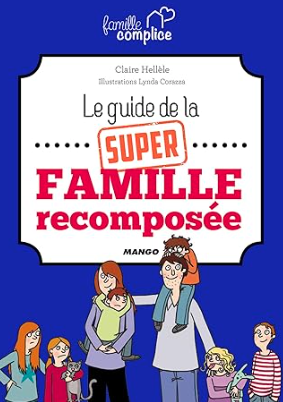
This guide draws on the practical approach of Claire Hellèle, who argues that nobody can be forced to love anyone, yet everyone can be treated with respect. It covers family meetings, genuinely listening to children, and caring for the couple at the centre of it all.

Quick takeaways
- Put mutual respect first; affection may come later or not at all.
- Hold regular family meetings that open with compliments and end with solutions.
- Express your own needs and limits without blaming partner or children.
- Listen empathetically before asking a child to change behaviour.
- Protect the couple relationship through small, consistent intentions.
- Seek outside help when conflict exceeds what the adults can handle.
Respect comes before affection
Hellèle sets out one guiding principle: treat every member of the family with respect. Step-children are not obliged to like their step-parents, and step-parents are not obliged to love their step-children. Affection may arrive later, or not at all, and that is acceptable.
Respect is at the heart of almost every difficulty in a blended family, and it never runs one way only. Adults owe children the same respect children owe adults, and that includes respecting your own needs, limits and values. When a step-parent feels disrespected, or children feel unheard to the point of becoming aggressive or distant, a structured family conversation can help everyone name emotions and needs and find solutions that suit all.
Why this matters for daily routines
Small rituals carry a lot of weight. A calm morning, a predictable bedtime and honest conversation about screen time all reduce friction. If mornings are tense, a healthy breakfast routine can set a steadier tone, and if a child is anxious about an upcoming trip, it helps to talk through school trip worries before the bags are packed.

Family meetings to strengthen bonds and solve problems
The family meeting is a positive discipline tool developed by Jane Nelsen. It exists to look for solutions together, plan family time, and anticipate upcoming difficulties. Nelsen names four main goals: appreciating and thanking one another, helping each other, solving everyday problems together, and planning shared pleasures.
Every meeting opens with a round of compliments: each participant offers every other participant a compliment or a thank-you about something from the past week. The agenda then follows the complaints and wishes raised during the week. This is the step-parent's chance to speak with vulnerability and honesty, without accusing partner or children, expressing needs and above all personal limits.
Anticipating what could go wrong
Anticipating difficulties is essential. Before the holidays, ask what could spoil the children's pleasure and what could spoil the parents'. Imagining how to avoid these problems encourages cooperation. The same planning spirit helps with practical logistics, whether that means managing children's jet lag after a long trip or choosing outdoor toys that keep everyone happily occupied.
| Family meeting step | What happens | Why it helps |
|---|---|---|
| Opening round | Each person compliments or thanks every other person | Builds goodwill before harder topics |
| Agenda | Complaints and wishes raised during the week | Gives everyone a fair voice |
| Step-parent speaks | Needs and personal limits, no accusations | Keeps respect intact on both sides |
| Anticipation | What could spoil holidays for children and parents | Prevents avoidable conflict |
| Planning | Shared activities and outings | Creates positive shared memories |
Really listening to children
Step-children may behave aggressively or disrespectfully toward a step-parent because they are suffering from their parents' separation, and may fear the new partner is stealing their mother or father. Their anger is often aimed less at the person than at that person's place in the family and at a situation they did not choose.
As a step-parent, it helps to keep enough distance not to add fuel to the conflict, and this requires the support of your partner. That support can take the form of active, empathetic listening, giving children a warm and secure space to put down their emotions. Once children feel genuinely understood, heard, not judged and loved as they are, they become receptive to requests.
Connect before you redirect
This is the founding pillar of compassionate communication: connect emotionally before redirecting. It means thinking in terms of emotions, needs, attachment and empathy, and having enough inner resources to understand what really drives a child's behaviour without punishing or criticising. Sometimes outside help is needed, because blending a family asks adults to be solid and mature enough to handle conflict. Play can also open doors, whether through yoga tree pose together or a shared language development game.

Protecting the couple
Leading a blended family can be hard on the couple: relationships with children and step-children, with ex-partners, and with in-laws who may accept the remarriage more or less easily. Caring for your couple is also a form of support for your parenting.
Building a lasting relationship has nothing to do with perfection and everything to do with the intention you put into preserving it. Intention does not mean it will be easy, since many factors are at play, including traumatic memory, attachment style, the other person's willingness, financial pressure and caring for a dependent relative. What you can do is commit, step by step, to new habits.
Small gestures, shared moments
Shared family moments do a lot of quiet work. A simple baking session with stained glass cookies or a story read aloud from stories for dad can build warmth without anyone having to declare their feelings. Even everyday care counts: understanding something like tympanic drains or knowing when a pacifier at sleep is helping or hindering keeps the household calmer, and occasionally stepping back to enjoy something purely fun, such as 10 Best Toys, reminds everyone that family life is not only about negotiation.
My hands-on take
In our house, the first family meeting felt awkward. My step-daughter rolled her eyes at the compliment round, and I nearly abandoned the whole idea. We kept it short, fifteen minutes at most, and after a few weeks something shifted: she started arriving with her own complaint written on a scrap of paper, which felt like a small victory.
The other thing I learned was to stop treating every cold shoulder as a verdict on me. When I named my own limit out loud, calmly and without blaming anyone, the tension dropped. I still keep a note on the fridge reminding me to connect before I correct, because I forget it constantly.
Frequently asked questions
Must a step-parent love their step-children?
No. The source is clear that nobody can be forced to love anyone. Mutual respect is the essential starting point, and affection may develop over time or may not.
What if my step-child is aggressive toward me?
Their anger is often aimed at your place in the family rather than at you personally, and may stem from the pain of their parents' separation. Keep your distance from the conflict, ask your partner for support, and listen empathetically before making requests.
How do we start a family meeting?
Begin with a round of compliments and thank-yous about the past week, then discuss the wishes and complaints raised. Finish by planning something enjoyable together or anticipating a coming difficulty.
When should we consider outside help?
Blending a family asks adults to be solid and mature enough to manage conflict, and sometimes that is too much to carry alone. Seeking support is a sensible step, not a failure.
Product Reviews
 Best Toys for Dogs With High Prey Drive |
Best Outdoor Toys for 3-4 Year Olds |
Best Outdoor Toys for 6 Year Olds |
Best Harness for Poodle |
Best LEGO Sets for Adults |
Best Travel Toys for 4 Year Olds on Airplane |
Best Toy Stores in Washington DC |
Best Potty Training Toys |
Best Toys for Tripod Dogs |
Maillot equipe de france







