


A good selection of children's books that build thinking and imagination can turn a quiet half hour into real mental gymnastics. The titles below are not just stories to read once; they invite children to play with letters, invent silly sentences, spot details and question what is possible.
Some work on early literacy, others on observation or pure absurd humour. Read together or leave them within reach, they suit a wide age range and reward repeat visits. You will also find practical ideas for extending each book into a small game at home.

Quick takeaways
- Letter-removal alphabet books turn reading practice into a guessing game.
- Scene-based alphabets invite children to invent sentences with repeated sounds.
- A book about books frames reading as comfort, adventure and a voice.
- Absurd picture questions train reasoning through friendly argument.
- Look-and-find titles build observation and suit quiet moments.
- Combining two unrelated ideas is creative thinking in its simplest form.
Books that play with letters and words
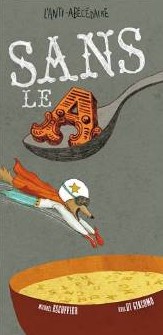
The first title in this selection removes one letter from a familiar word and lets the meaning collapse: without the A, carotte becomes crotte. It is a clever anti-alphabet book that makes children laugh while nudging them to think about how words are built. Each page invites a guess before the reveal, which keeps even reluctant readers engaged.
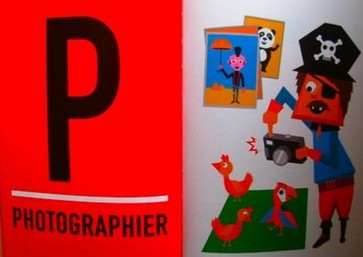
A second alphabet book illustrates every letter with a busy scene containing several words that begin with it. Children then invent sentences packing in as many of those words as possible, such as a pirate photographing hens on the lawn. This kind of wordplay supports vocabulary and sentence building, and pairs well with online English games if you want to extend the fun in another language. For families preparing for a first night away, a small word game book can be a comforting travel companion.
What is a book actually for?
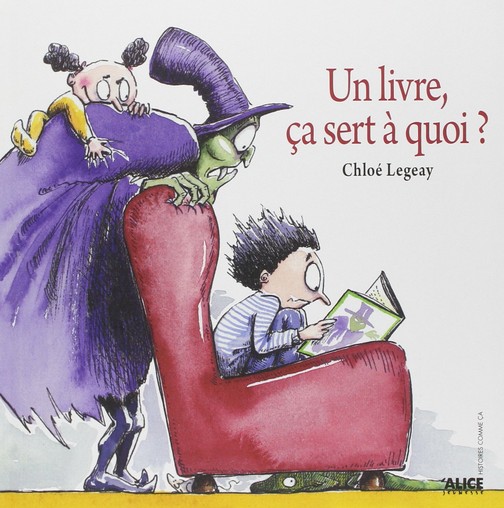
One picture book answers a big question in a gentle way: a book is a quiet place, a friend, an adventure you can live without leaving home. It also brings suspense, shivers and comfort, and it grows with the child who reads it. The text treats reading as a journey and as someone's voice speaking directly to you.
It ends with a lovely idea: you can write a book too. That opens the door to homemade stories, drawings stapled together and bedtime tales invented on the spot. If you want to nurture that spark, these tips on encouraging child creativity offer simple starting points by age. For little ones just starting out, the best toys can pair nicely with early reading.
Turning reading into making
After a favourite book, try asking your child to draw a new page or dictate an ending. The shift from consumer to creator is where confidence grows, and small rewards like LEGO Insider points can celebrate each finished story.

| Book type | Main skill | Best moment |
|---|---|---|
| Anti-alphabet wordplay | Phonics and word meaning | Early readers, after school |
| Scene alphabet | Vocabulary and sentences | Playful one-to-one time |
| Book about books | Reading motivation | Calm bedtime |
| Absurd questions | Reasoning and debate | Mealtime conversation |
| Look-and-find | Observation and focus | Travel and waiting |
| Idea combinations | Creative thinking | Rainy afternoons |
Absurd situations that spark conversation
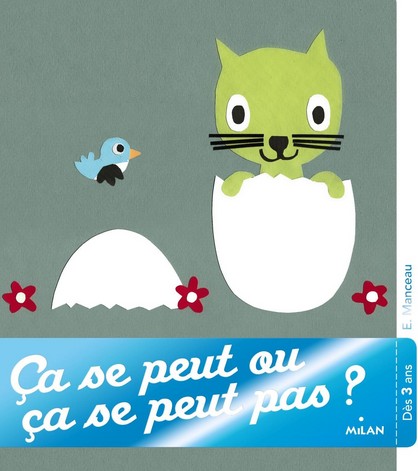
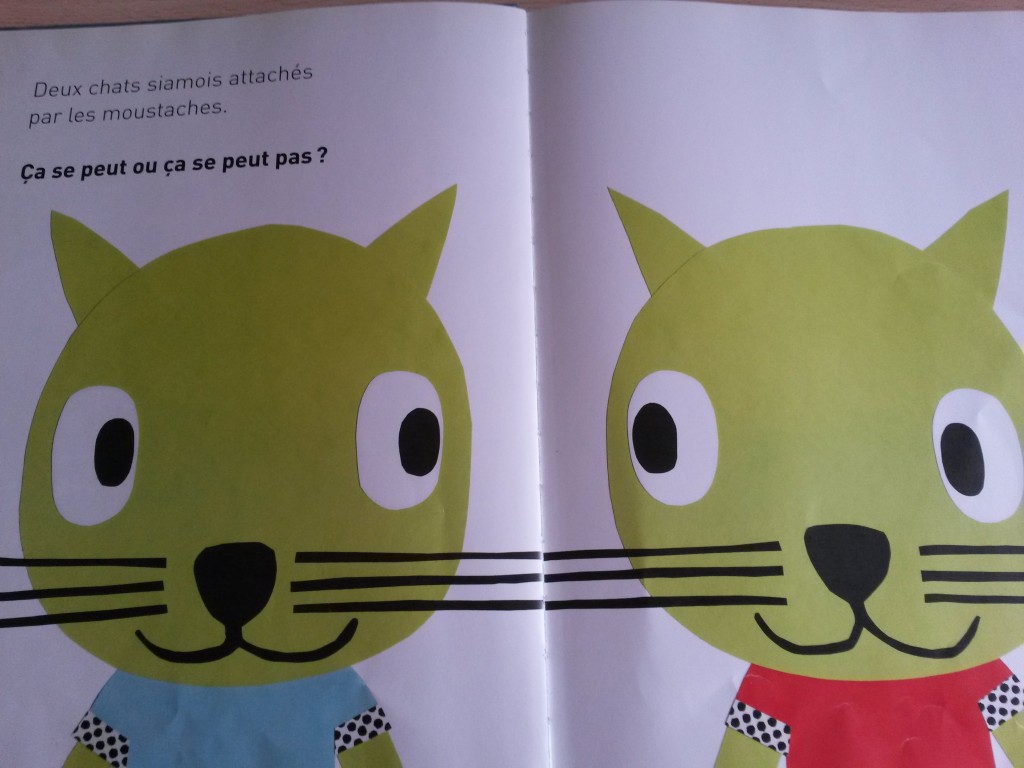
Another title lines up impossible scenes: a penguin fishing on a cloud, a tree full of frogs. Page after page the question repeats: could this happen or not? Children love to argue the case, and that back-and-forth is exactly the kind of reasoning that builds flexible thinking.
A final gem pairs two unrelated elements on each double page and lets them combine into a third: a horse plus a barcode gives a zebra. It is a playful introduction to mixing ideas, close to the logic behind building toys. Families who enjoy that combinatorial fun often enjoy LEGO piece names when they move from paper to bricks, and the same playful spirit carries over to the best toys.

Look-and-find books for observation
Look-and-find collections stimulate imagination through varied themes while training the eye to scan, compare and notice. Versions exist on the five continents, the age of the dinosaurs, among animals, through history, in nature and in transport. Each spread rewards patience rather than speed, which suits children who like to take their time.
These books travel well and work as a calm activity in waiting rooms or on journeys. For a child who prefers movement, balance them with active play such as outdoor toys for kids so quiet focus and physical energy take turns.
Building a reading routine that lasts
None of these books needs a formal lesson. Leave a small basket in the living room, rotate three titles at a time and let your child choose. Re-reading is valuable: the second pass is where children predict, correct and notice details they missed.
Read aloud even when they can read alone, because humour and wordplay land better with a shared laugh. Keep sessions short and stop while it is still fun. A predictable ritual, same chair and same time, does more for reading habits than any reward chart.
Choosing the right book for your child
Match the book to the mood rather than the age on the cover. A tired child may want the comfort of a story about what books give us, while a lively one will dive into absurd pictures and argue about penguins. Wordplay books work best once letters are familiar, but the guessing game still delights younger siblings.
Observation books are the easiest entry point for toddlers and grow with them for years. If you are choosing gifts, think about the child's current obsession and pick the theme that matches it, then add one wildcard title to stretch their taste.




My hands-on take
In our house, the anti-alphabet book caused the biggest reaction. My youngest spent a whole week removing letters from words at the dinner table, and we had to guess what each new word meant. It was noisy and slightly chaotic, but it showed me how much grammar play children absorb when it arrives as a joke.
The look-and-find book lives in the car and has survived countless journeys. What surprised me most was that my older child, who reads fluently, still asks for it, because finding a tiny object first is its own kind of victory. My advice: keep one wordplay book and one observation book within reach at all times, and let the rest rotate.
Frequently asked questions
At what age can children enjoy these books?
Most work from around four or five with an adult, and the look-and-find titles suit younger children too. Wordplay books become richer once letters are familiar, but the humour lands earlier.
Do I need to buy the whole series?
No. One title per type is enough to test what your child responds to. Look-and-find collections are the exception, since children often ask for a different theme next.
Can these books support school learning?
They support it indirectly by building vocabulary, attention and reasoning. They are not workbooks, so keep the tone playful and let your child lead.
What if my child only wants screens?
Start with the most visual, absurd titles and read them together for a few minutes. Short, funny sessions compete better with screens than long ones.
Product Reviews
 Best Toys for Dogs With High Prey Drive |
Best Outdoor Toys for 3-4 Year Olds |
Best Outdoor Toys for 6 Year Olds |
Best Harness for Poodle |
Best LEGO Sets for Adults |
Best Travel Toys for 4 Year Olds on Airplane |
Best Toy Stores in Washington DC |
Best Potty Training Toys |
Best Toys for Tripod Dogs |
Maillot equipe de france







