


Talking about periods with our daughters is one of those conversations many parents postpone, often because we never had it ourselves. Books can carry part of the load, opening the subject without a lecture and giving girls words for what is happening in their bodies.
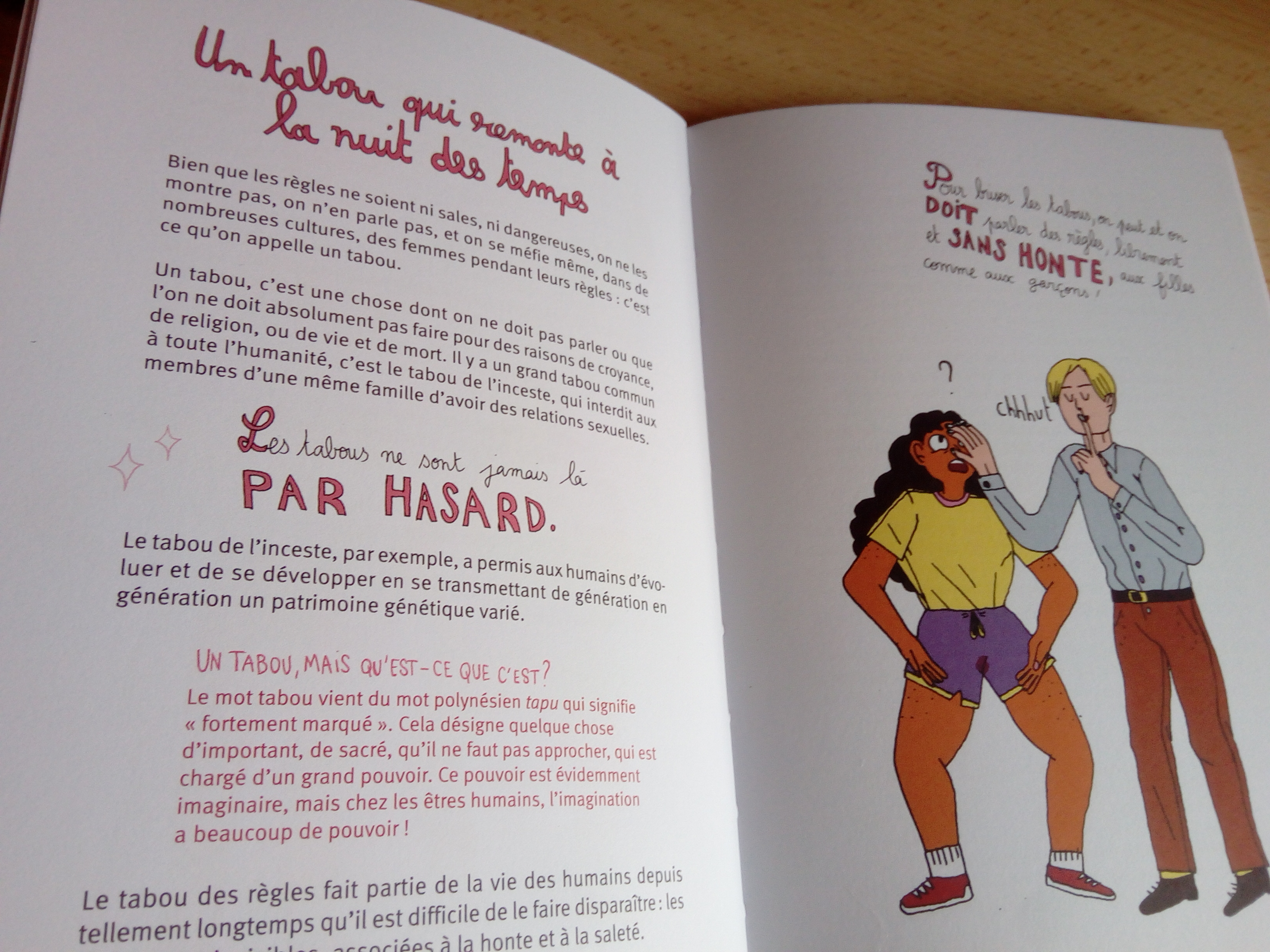
Here are three books I have enjoyed for this purpose. The first suits girls from around seven or eight, while the other two are written for teenagers from about eleven or twelve. Two take a storytelling, traditional approach to femininity and sexuality, which may not suit every family; the third is more historical, technical and frankly political, written by women committed to the feminist cause.

All three also speak to boys and men, so they can know the female body better and learn to accompany female sexuality with respect.
Quick takeaways
- The first book suits girls from about seven or eight; the other two are for teenagers from eleven or twelve.
- Two books use storytelling and ancestral traditions, an approach that may not suit every family.
- The third is historical and political, written by women involved in the feminist cause.
- All three are also intended for boys and men, to build respect and knowledge.
- The parent guide in the first book covers vocabulary, first periods, consent and abuse prevention.
- The traditions book encourages rest, creativity and conversations between generations of women.
A story about cycles, pleasure and consent
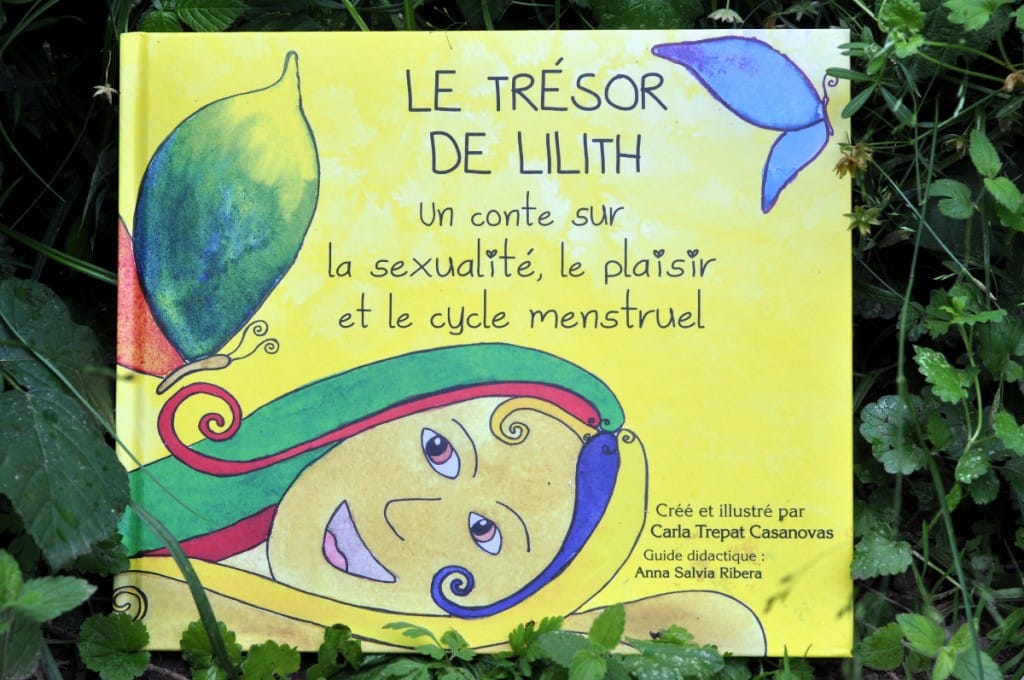
The Treasure of Lilith is a tale about sexuality, pleasure and the menstrual cycle, created and illustrated by Carla Tepat Casanovas and self-published through crowdfunding. Her aim was for little girls to know, from an early age, the wonder and strength their cycle represents. The story begins with a small tree that wants to dance, play and travel, and is transformed into a girl named Lilith: roots become legs, branches become arms, leaves become hair, and her fruits become the breasts that will later feed her children.
The flower and the butterflies
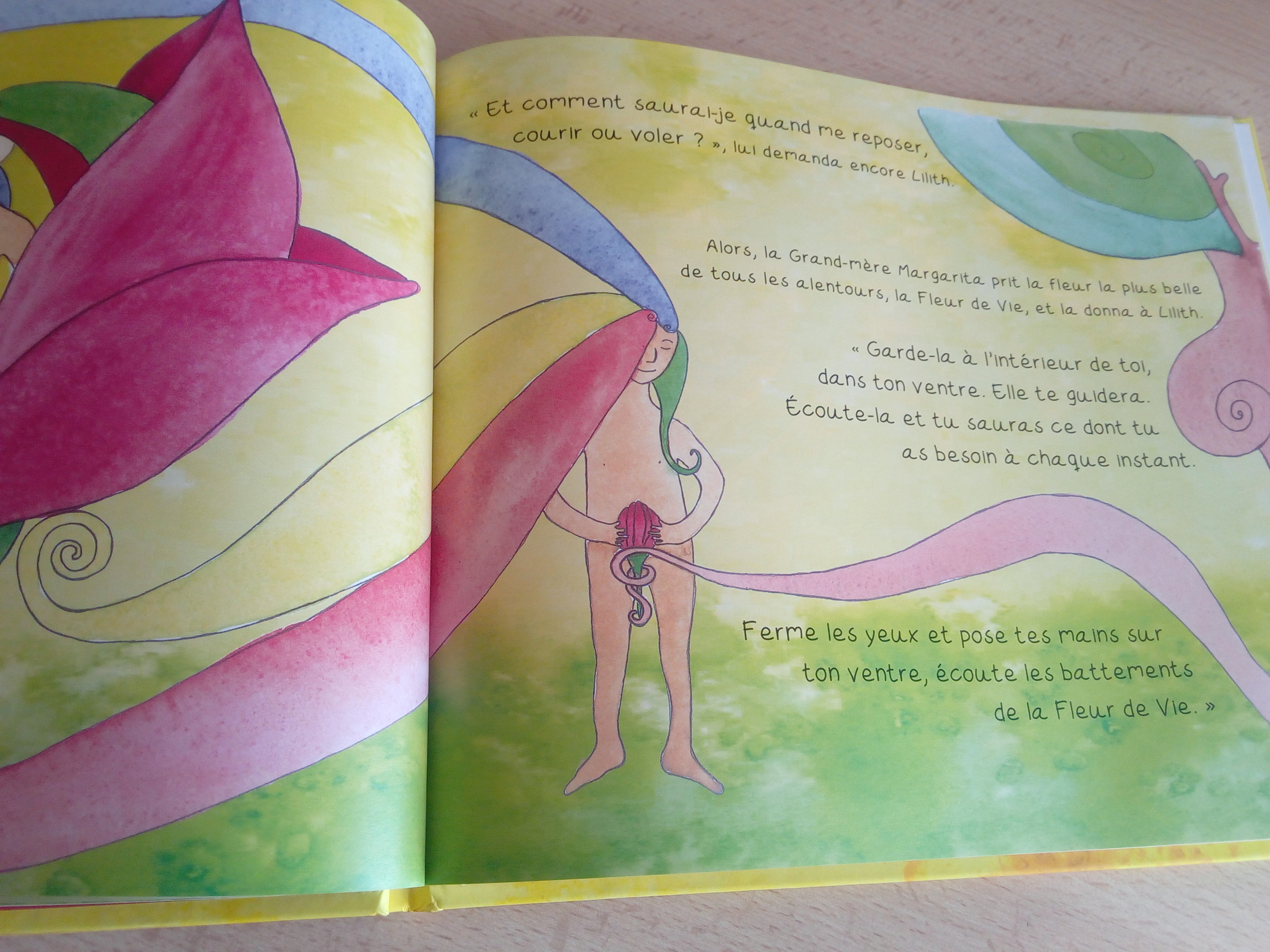
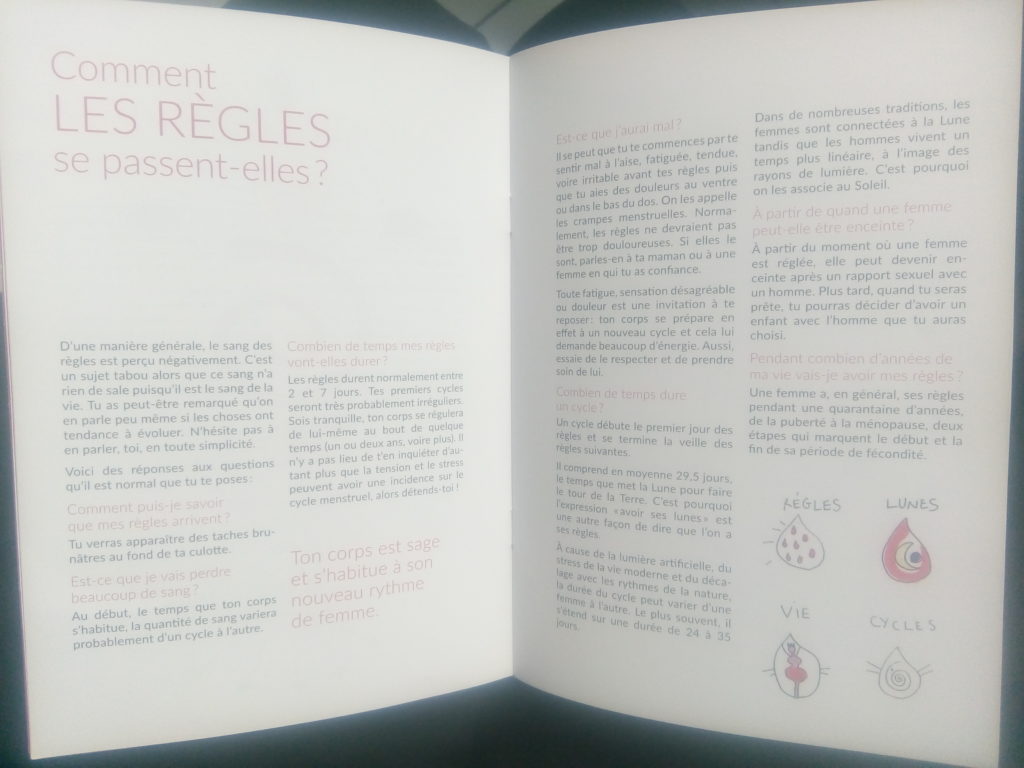
Inside Lilith lives a Flower of Life beating in her belly, which grows until one day its red petals slip out of her. From then on the flower grows and blooms each month, echoing the seasons: it flowers in spring, opens in summer, fades in autumn and seems to die before returning in winter. The sexual desire awakening in girls is compared to butterflies that know exactly with whom, when and how they want to play, gently introducing desire and consent. A didactic guide for parents follows, written by psychologist and sexual health specialist Anna Salvia Ribera, covering how to talk about female organs, when to discuss periods, how to accompany a first period, how to approach desire and consent, and how to prevent abuse. It uses real terms such as endometrium, fallopian tube and uterus, so it stays far from mysticism. If you are gathering gentle first books, this sits well beside other stocking stuffer toys for younger siblings. It also pairs naturally with conversations about how children can be cruel at this age.

Reconnecting with the red thread of traditions
DeAnna L'am wrote The Red Thread to change how we see something still taboo in many countries, and to help girls live this transition well. The book speaks to women on the path, to their daughters, granddaughters, nieces and goddaughters, and to men too. She draws on Native American traditions, encouraging women to take time for themselves during their "moon time" and to give free rein to creativity, giving meaning back to a cyclical nature that our society often misreads, devalues or mocks.
What I liked
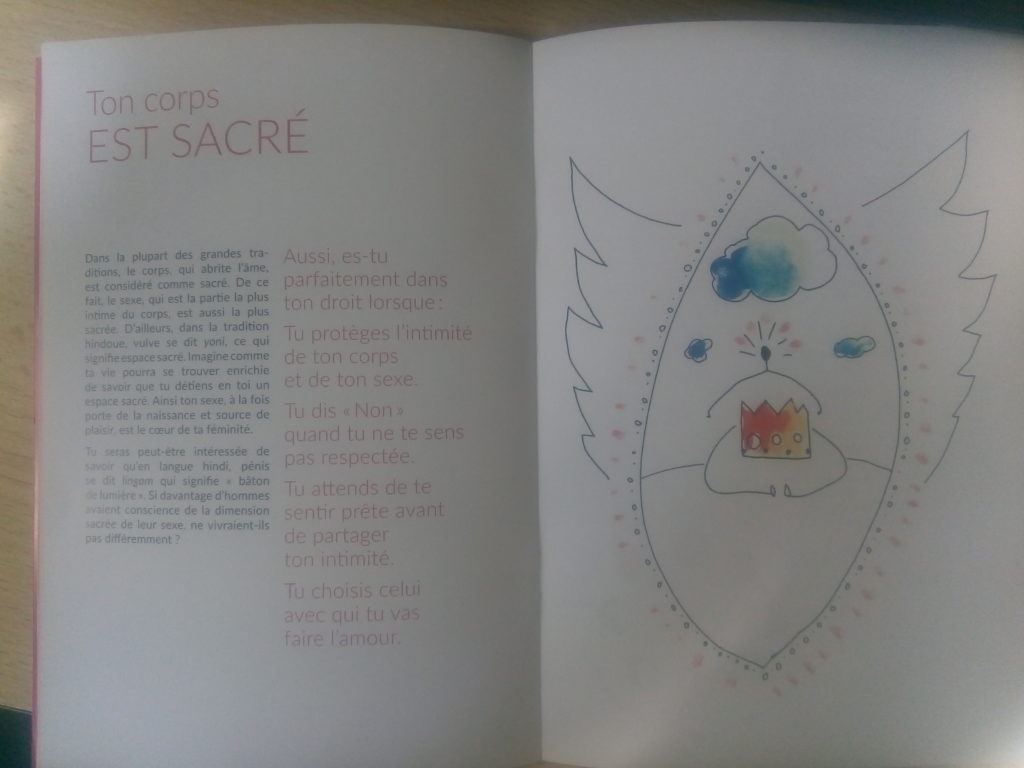
Its message about the body is powerful and touching: your body belongs to you, and you decide when you are ready to share it and with whom. It invites girls to see the period as a positive moment, good for creativity, rest and turning inward, and offers practical advice for more comfort, including plants used to ease pain. It answers girls' questions about first periods clearly and completely, and links generations by encouraging conversations with mothers, grandmothers and aunts about what it means to be a woman. The legends it draws on sit alongside the everyday work of raising children, much like the small responsibilities described in these household chores children. Just as school uniform shoes and family New Year's Eve rituals mark the year, these talks mark growing up.
| Book | Best age | Approach | Good for |
|---|---|---|---|
| The Treasure of Lilith | 7-8 and up | Illustrated tale plus parent guide | First conversations about cycles and consent |
| The Red Thread | 11-12 and up | Traditions and practical advice | Comfort, confidence and family talks |
| Third book | Teenagers | Historical and political | Understanding periods in society |
| All three | Any | Shared reading | Boys and men learning respect |
A historical and political perspective for teenagers
The third book takes a different route. Rather than myth or tradition, it approaches menstruation historically and almost politically, written by women engaged in the feminist cause. For teenagers who have already heard the basics, this can be the book that turns a private bodily event into something connected to society, medicine and rights.
Where the first two books soothe and celebrate, this one questions: who decided periods should be hidden, why products are talked about in certain ways, and what it means to grow up female in a culture full of messages. Reading it together, or leaving it on the shelf for a curious teenager, gives her a vocabulary for the wider conversation. It pairs naturally with thinking about how children make sense of the world, a theme explored in children understand world.
How to choose and when to start
Age is a rough guide, not a rule. A seven- or eight-year-old can enjoy the illustrated tale without grasping every layer, while an eleven- or twelve-year-old may prefer the traditions book or the historical one. Follow your child's questions rather than a calendar, and let her leaf through before you discuss anything.
Read the parent guide yourself first, so you are comfortable with the vocabulary. Some families will love the poetic, seasonal language; others will find the historical approach more grounded. Either way, the goal is the same: a daughter who knows her body, trusts her feelings and knows she can come to you. That trust is built in ordinary moments, the same way confidence grows through everyday routines such as baby bathing or the slow learning of martial arts children practice. For broader conversations, you might also explore books about politics or find learning toys that support early curiosity.



My hands-on take
I remember handing the first book to my daughter and saying almost nothing, just leaving it on her bed. A few days later she asked me what the flower was, and we ended up talking for an hour about cycles, moods and what she had heard at school. Having the story as a starting point made it far easier than any conversation I had tried to launch cold.
What I would do differently is read the parent guide first. I skimmed it afterwards and realised it answered several questions she raised, which would have made me calmer in the moment. My advice is to keep the books visible and available, let her return to them, and treat the whole thing as an ongoing conversation rather than one big talk you have to get perfectly right.
Frequently asked questions
At what age should I talk about periods?
There is no single right age. Many families start with simple, everyday explanations when a child is small and add detail as questions come, using a first book around seven or eight and fuller books in the pre-teen years.
Can boys read these books too?
Yes. All three are also intended for boys and men, so they can better understand the female body and learn to approach female sexuality with respect.
What if the traditional approach does not suit us?
The first two books draw on tales and ancestral traditions, which some families find beautiful and others less appealing. The third takes a historical and political angle, and you can simply start there.
Should I read the book before my daughter?
It helps. Reading the parent guide first means you are comfortable with the vocabulary and ready for the questions that follow, rather than discovering the content at the same time.
Product Reviews
 Best Toys for Dogs With High Prey Drive |
Best Outdoor Toys for 3-4 Year Olds |
Best Outdoor Toys for 6 Year Olds |
Best Harness for Poodle |
Best LEGO Sets for Adults |
Best Travel Toys for 4 Year Olds on Airplane |
Best Toy Stores in Washington DC |
Best Potty Training Toys |
Best Toys for Tripod Dogs |
Maillot equipe de france







