


A growth mindset is the belief that abilities can be developed through effort, strategy and guidance, and it can change how children approach learning. When kids see skills as trainable rather than fixed, they engage more readily and treat mistakes as information instead of failure.
The small phrase "not yet" carries a lot of weight. It turns a closed door into a step still waiting to be taken, and it gives young people room to keep trying without feeling labelled.

This article looks at how to build that bridge toward "soon", from wise encouragement to simple explanations of how the brain grows.
Quick takeaways
- Praise effort, strategies and progress rather than fixed talent.
- Teach that the brain builds stronger connections through practice.
- Treat mistakes as information to learn from, not as failure.
- Add "yet" to frustrated statements to keep the door open.
- Model your own struggle and adjustment in front of children.
- Keep growth mindset language part of everyday routines.
What a growth mindset really means for children
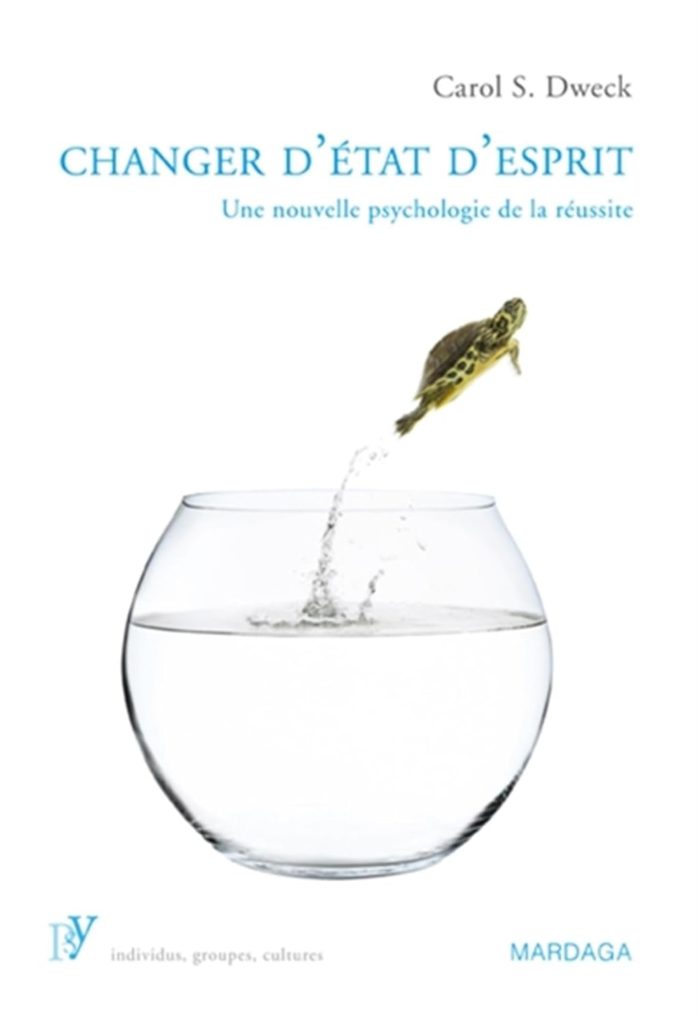
Psychologist Carol Dweck has long emphasised the power of "soon" and "not yet" in lifting young people upward, and the idea applies to children, teenagers and adults alike. When we believe our capacities can be developed, we tend to get more involved and to tackle errors without feeling guilty or worthless.
That shift matters because it changes what a mistake signals. Rather than proof of being bad at something, an error becomes something to learn from and correct. Children who understand this are more willing to try difficult things, which is a useful foundation for happy childhood experiences built on confidence rather than fear of failing. It also helps them grow into adults who, much like the celebrities after giving birth we often admire, keep going through visible change without giving up.
Why the wording matters
The words adults use quietly shape how a child reads their own ability. Adding "yet" to a frustrated sentence keeps the door open and invites another attempt. Stories can reinforce this too, and movies about respecting animals offer gentle lessons in patience and persistence.
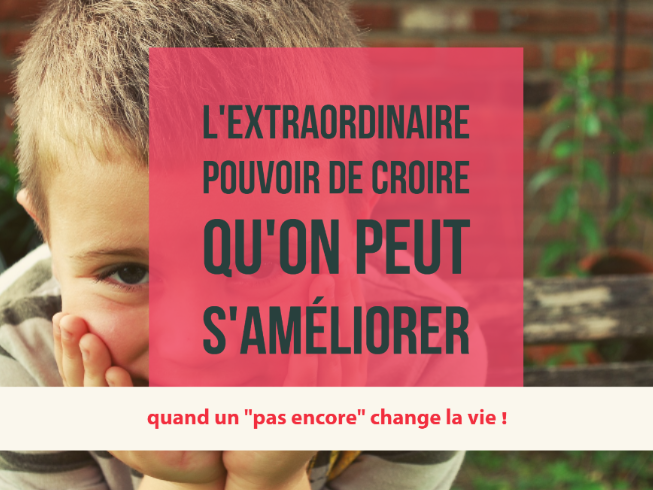
Encourage wisely, without rewarding intelligence or talent
The first practical step is to praise the process rather than the person. Focus comments on effort, strategies, concentration, perseverance and progress, because these are the things a child can actually control and repeat.
Praising talent alone can make children avoid challenge, since they may worry about losing the label. Praise for the route taken keeps attention on what worked and what could be adjusted next time.
Phrases that help
Try noticing out loud how a child approached a task: the plan they made, the way they kept going, the moment they changed strategy. This kind of feedback also supports children learning to manage frustration, for example when you help him control big feelings during a difficult task. The same steady guidance matters when children face darker online trends, as explored in the Blue Whale challenge.
Keep praise specific and honest. A short observation about what you saw is more useful than a broad compliment. Encouraging a generous outlook also connects to solidarity initiatives that teach children to think of others.

| Situation | Fixed mindset response | Growth mindset response |
|---|---|---|
| Child fails a test | "Maybe this subject isn't for you." | "Which strategy could you try next time?" |
| Child avoids a hard task | "You're just naturally good at easy things." | "Let's break it into smaller steps." |
| Child makes a mistake | "You always get this wrong." | "What did you notice this time?" |
| Child succeeds quickly | "You're so clever." | "Your practice really paid off." |
| Child gives up | "Never mind, leave it." | "You haven't got it yet." |
Explain neuroplasticity and how the brain works
Children respond well to a simple explanation of the brain. Teach that every time we learn something new, neurons create more connections, and that these connections become stronger with use. Through repeated connections, we become more capable.
This is the principle of neuroplasticity, and it is worth revisiting often rather than mentioning once. A child who understands that ability is built, not handed out, is better placed to handle the ups and downs of school life, including odd moments like a school in France deciding how to handle late arrivals.
Keep it concrete
Use everyday examples: learning to ride a bike, tie shoes or read a new word. Each attempt is a connection being strengthened.
Value effort and mistakes as tools for improvement
Effort and difficulty are not signs of weakness; they are the conditions in which connections between neurons form and strengthen. That is precisely what makes a person more capable over time.
Getting something wrong and working hard therefore become positive events. We are not born intelligent or unintelligent, and there are no fixed camps of "good" and "bad" learners. Everyone can learn and improve with effort and practice, and "not yet" and "soon" break down fatalism.
Model it yourself
Let children see you struggle with something and adjust your approach. A parent learning a new recipe, a language or a repair shows the same process in action, much like the patience needed for Christmas nougat that only sets after several tries. The same resilience applies to recovering from perineal tears, where patience and gentle adjustment matter.

Putting it into practice day to day
Growth mindset language works best when it is woven into ordinary routines rather than saved for big moments. Ask "what did you try?" before "what did you get?", and treat setbacks as information to discuss together.
Some children need extra support when tiredness or illness makes everything feel harder, and it helps to remember that my son is always tired moments are not a verdict on ability. Rest and recovery are part of learning too.
Small habits that stick
Keep a short family ritual of naming one thing that felt hard and one strategy tried. Over time, this builds a shared vocabulary for effort and progress without turning every task into a lesson.
My hands-on take
I started using "yet" almost by accident, during a homework session that was heading toward tears. Instead of saying "you can't do this", I said "you can't do this yet", and the mood in the room changed almost immediately. It gave my child something to push against that wasn't me.
What I have found most useful is keeping the language small and ordinary. I try to notice the strategy rather than the result, and I am honest when I am the one struggling. Some days it works better than others, and that feels like the right lesson too.
Frequently asked questions
What is a growth mindset in simple terms?
It is the belief that abilities can be developed through effort, strategy and help. Children with this view treat mistakes as learning opportunities rather than proof of limited talent.
Should I stop praising my child altogether?
No. The point is to praise the process, such as effort, concentration and progress, rather than fixed intelligence or talent. Specific, honest observations are more useful than broad compliments.
How do I explain neuroplasticity to a young child?
Keep it concrete. Explain that every time they learn something new, connections in the brain grow stronger, like practising a bike or a new word.
Does this approach apply to teenagers and adults too?
Yes. The same principle of believing capacities can be developed applies to children, teenagers and adults, and it supports persistence at any age.
Product Reviews
 Best Toys for Dogs With High Prey Drive |
Best Outdoor Toys for 3-4 Year Olds |
Best Outdoor Toys for 6 Year Olds |
Best Harness for Poodle |
Best LEGO Sets for Adults |
Best Travel Toys for 4 Year Olds on Airplane |
Best Toy Stores in Washington DC |
Best Potty Training Toys |
Best Toys for Tripod Dogs |
Maillot equipe de france







