


Conscious parenting is an approach to raising children that puts connection, empathy and emotional safety at the centre of family life. Developed by the psychologist Aletha Solter, it describes a way of educating children so they grow up self-confident, compassionate, non-violent and less drawn to compensatory escapes later in life.
The method rests on three big principles: building deep attachment bonds as early as possible, applying discipline without punishment, and preventing and healing a child's stress and trauma. It overlaps with other gentle-parenting voices on empathy, respectful listening and welcoming every emotion, while giving special weight to carrying, breastfeeding, co-sleeping and the meaning of tears.

Quick takeaways
- Build close physical connection from birth, and before birth where possible.
- Never leave a child alone to cry, at any age.
- Look for the unmet need behind a behaviour instead of punishing it.
- Share your own feelings rather than imposing sanctions, especially with teens.
- Set family rules by consensus, for example through family councils.
- Treat tears as a healthy way to release stress, not as manipulation.
Attachment is a vital need, not a luxury
Conscious parenting insists on a close connection between parents and child from the very first moments, and even before birth when possible. Physical closeness is prioritised: a birth that is as natural as possible with no separation between baby and mother, physiological babywearing, breastfeeding for as long as it suits the family, and co-sleeping in whatever form works.
Co-sleeping can mean the same room, the same bed, or a child who falls asleep alone and joins the parents later in the night. Solter stresses creativity and flexibility here: every family should invent the arrangements that best fit everyone's needs. A child should never be left alone to cry, at any age, because beyond the effects on brain development it sends the message that love is conditional on smiling.
Although the mother often has privileged contact, largely through feeding, the father's role matters just as much and he should not step aside, or be pushed aside.
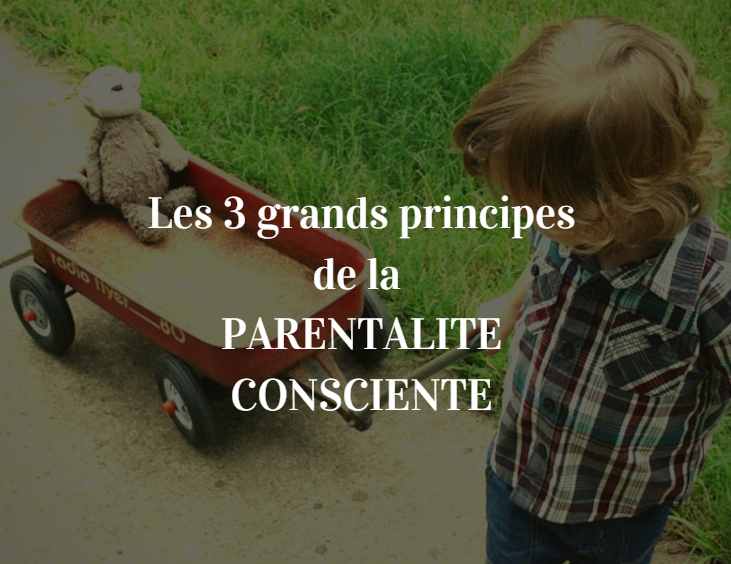
Discipline without punishment: a change of paradigm
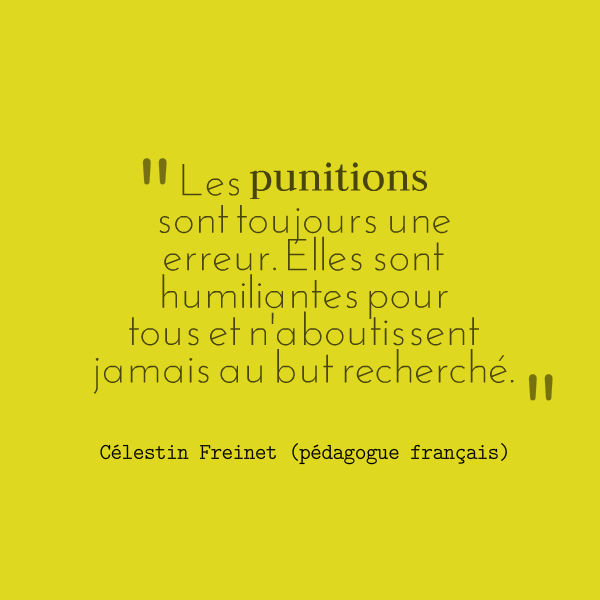
We naturally tend to raise children the way we were raised ourselves, so imagining other ways can feel difficult. Many people also assume that education without punishment is lax or permissive, but conscious parenting is simply a radically different way of relating to a child.
The work is to scratch beneath the surface and understand why a child acts as they do: what unmet need, what feeling, is behind it? Sometimes a child is simply hungry and cannot say so, needs attention without knowing how to ask, or lacks information. Once you understand what is happening, you can find a solution that does not involve punishment, moving from an authoritarian approach to one of mutual respect. If you are still finding your feet in this shift, reading about motherhood instinct can be reassuring, and small shared rituals such as cooking pumpkin crepes together help rebuild connection after a hard moment.

| Principle | What it looks like | What it replaces |
|---|---|---|
| Deep attachment | Babywearing, breastfeeding, co-sleeping, no separation at birth | Distant or scheduled care |
| Discipline without punishment | Understanding the need behind the behaviour | Sanctions, time-outs, rewards |
| Healing stress | Holding a crying child, listening, play | Leaving a child to cry alone |
| Shared rules | Family councils, consensus, feelings shared | Imposed rules and threats |
| Father's role | Equal involvement from the start | Father kept on the sidelines |
Putting it into practice with teenagers
Solter gives the example of a teenager who wants to go out in the evening. Instead of fixing a return time and planning a sanction, she suggests asking the teenager what time they think they can be back, and to remember to call if they are late. If they do come home late, the parent shares their feelings: they were upset and worried at not being warned.
Her reasoning is that when the connection is deep, the parents' feelings matter a great deal to the child, who will not want to cause fear or upset through their behaviour. Family rules then become the fruit of consensus between children and parents, and she recommends regular family councils to set them together.
In her own home, it was agreed collegially that anyone leaving belongings in the living room before sitting down to eat would find their plate turned upside down, a playful reminder to tidy up. The spirit is close to the family meetings used in positive discipline, and it works best when the atmosphere at home is always together rather than adversarial.
Why tears matter: releasing stress
Solter's approach gives a lot of weight to the function of crying. In her view, tears always serve a cause: babies who experienced early stress, during a difficult birth or even during pregnancy, cry more than other babies. She also reports that a large majority of abusive parents said a child's crying triggered their outburst of anger, which is why she explains crying so carefully.
Crying does not mean a parent is failing, and not every tear corresponds to an unmet physical need. A crying child may need to release tension while being held, listened to and comforted. This is where calm, prepared parents make the difference, much as they prepare for other practical matters of early parenthood, from prenatal yoga to understanding thrush symptoms in a newborn.

Building a home that supports conscious parenting
Conscious parenting is not a set of rules to enforce but a daily practice of observation and repair. It helps to prepare the environment so that connection is easy: a comfortable space for teething toys within reach, a bag ready for outings, and toys that invite calm play rather than constant stimulation.
Play is one of the repair tools Solter highlights, alongside tears, because it lets a child process what they cannot yet put into words. Choosing open-ended materials matters more than quantity, and knowing Lego piece names can even help you sort a shared box together. When relatives ask what to give, pointing them to a thoughtful list of toys for four year olds keeps the focus on quality, and a weekend trip to browse the toy stores can become a calm family outing rather than a shopping battle.
My hands-on take
When I first tried to stop punishing and start understanding, the hardest part was the pause. My reflex was to react immediately, and I had to learn to ask myself what need was hiding behind the behaviour before saying anything. It felt slow at first, almost artificial, and some evenings I got it completely wrong.
What helped most was repairing afterwards rather than aiming for perfection. A short conversation the next morning, a shared game, a hug without a lecture, did more than any sanction ever had. I also learned to share my own feelings instead of issuing threats, which changed the tone of our house far more than I expected.
Frequently asked questions
Is discipline without punishment the same as being permissive?
No. Conscious parenting is a different way of relating to the child, not an absence of limits. You still set rules, but through mutual respect and understanding of the child's needs rather than sanctions.
Should I really never let my child cry alone?
The approach advises against leaving a child alone to cry at any age. Crying is seen as a way to release stress, so the child is held, listened to and comforted rather than ignored.
How do family rules work with teenagers?
Rules are agreed by consensus, often in family councils. Parents share their feelings when something goes wrong instead of imposing a punishment, relying on the strength of the connection.
Does the father have a role in this approach?
Yes, an equal one. Although the mother may have privileged contact through breastfeeding, the father should not step aside or be pushed aside.
Product Reviews
 Best Toys for Dogs With High Prey Drive |
Best Outdoor Toys for 3-4 Year Olds |
Best Outdoor Toys for 6 Year Olds |
Best Harness for Poodle |
Best LEGO Sets for Adults |
Best Travel Toys for 4 Year Olds on Airplane |
Best Toy Stores in Washington DC |
Best Potty Training Toys |
Best Toys for Tripod Dogs |
Maillot equipe de france







