


Creativity in children is not limited to drawing or music: it runs through every corner of daily life. Creating means both finding your place in the world and acting on it by leaving your own mark.
That is why the simplest games matter so much. A lump of modelling clay becomes an elephant, and that elephant sparks a conversation, a memory, a trip to the zoo. The child's imagination and the adult's meet, and the bond grows richer.

You do not need expensive equipment or a special talent to raise a creative child. You need time, a few good habits and the willingness to let play unfold.
Quick takeaways
- Creativity runs through everyday play, not only art lessons.
- Read aloud early and make books part of home life.
- Toy libraries let children try many games before you buy.
- Word, sensory and movement games build creative confidence.
- Boredom gives the mind room to wander and find new ideas.
- Open-ended art and nature projects grow with your child.
Read Stories From the Very Beginning
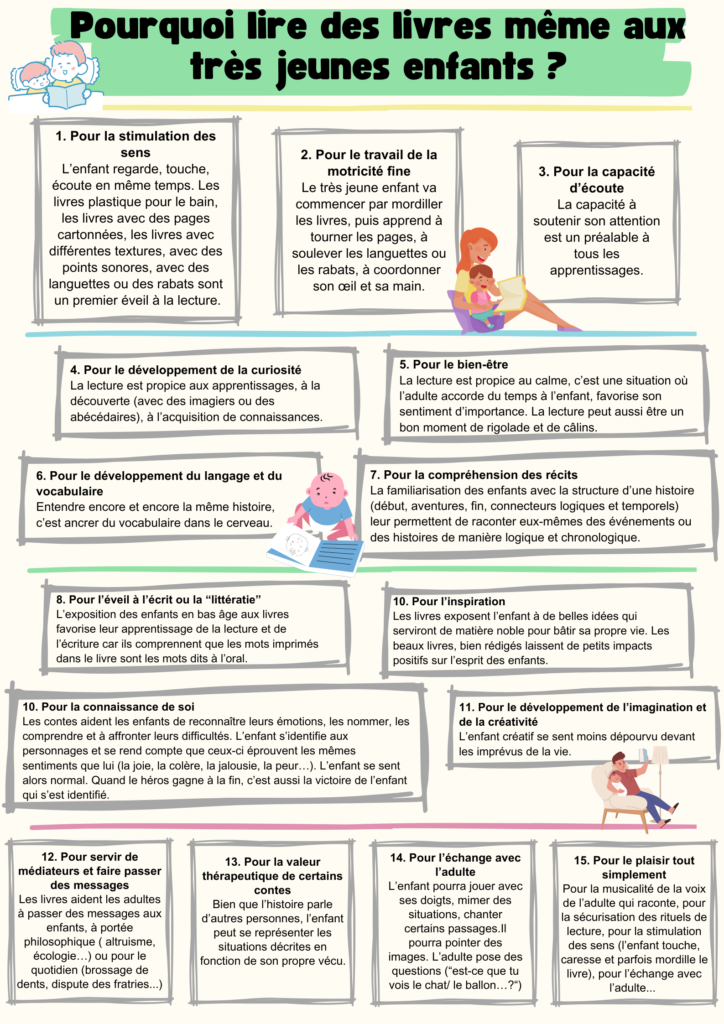
Read aloud to your child early and often, and make books a normal part of home life rather than something that belongs only to school. Visit the library together, let your child choose, and build a small shelf of favourites at home.
Then go beyond reading: act out stories, invent new endings, draw the characters, or turn a picture book into a puppet show. If you are looking for inspiration, learn with children is a lovely mindset to adopt, because reading together teaches you as much as it teaches them.
For quieter moments, sensory comforts such as sensory blankets can make a reading corner feel safe and inviting, which helps children settle and listen.

Visit a Toy Library
A toy library, or ludothèque, is a place where children can try all kinds of games, from the most classic to the most unusual, without the distractions of a busy home. The staff are professionals who can recommend games suited to your child's tastes and needs.
Borrowing rather than buying also lets children explore many types of play before you commit to a purchase. If you prefer to shop with a plan, it helps to know what makes a good choice; this guide to the best toys imaginative play covers open-ended options that grow with your child.
Simple building sets deserve a place too. Sorting and organising bricks is itself a creative activity, and these tips on sort LEGO by colour or type turn tidy-up time into a game.
| Activity | Best for | What you need |
|---|---|---|
| Reading aloud | Language and imagination | Books, library card |
| Toy library visit | Trying new games | Membership |
| Word games | Verbal creativity | Nothing |
| Nature art | Sensory and spatial skills | Leaves, pebbles, twigs |
| Travel journal | Observation and memory | Notebook, pencils |
Play Word and Movement Games Together
Language games are wonderfully cheap and portable. Try an oxymoron battle, guessing letters traced on a back, or silly "what if" questions. Absurd games about nonsense pies and pretend mischief let children break rules safely and laugh at the results.
Add sensory and motor play to stimulate spatial and bodily intelligence: an obstacle course built from cushions, a colour hunt around the house, or games in front of a mirror. These activities build the physical confidence that creative thinking relies on.
If you run out of ideas, activity books that collect creative games are a reliable fallback. And when everyday life gets busy, a few household chores children can be reframed as playful challenges rather than duties.

Allow Boredom as a Creative Lever
Boredom is not the enemy of creativity; it is often its starting point. Researchers at the University of Central Lancashire ran two experiments: in the first, forty people copied names from a phone directory for fifteen minutes before a creative task. Those who had done the dull copying proved more creative than a group given no boring activity beforehand.
The explanation is simple. During an automatic task, the mind is freed to wander, daydream and revisit earlier situations in search of new solutions. So resist the urge to fill every empty moment with a screen.
If you are juggling work and children at home, planning pockets of unstructured time matters; these working from home tips can help you protect those gaps in the day.
Offer Artistic and Creative Activities
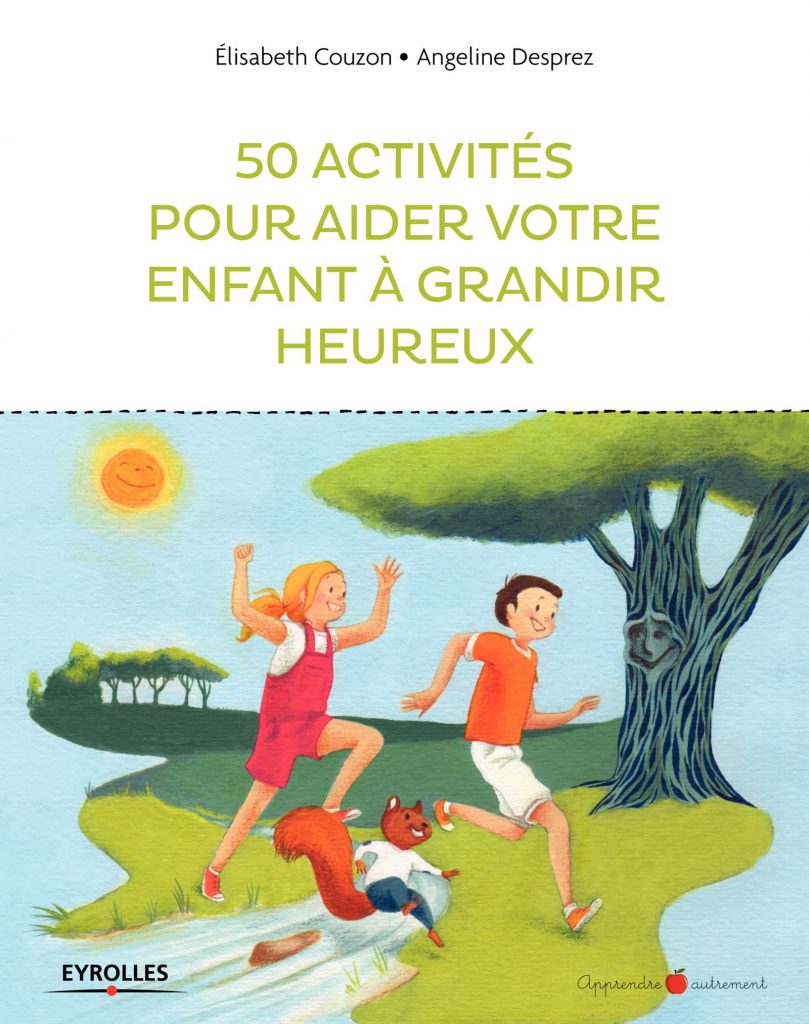
Creativity grows through the hands. Try dance, singing and music, drawing, sport, bead creations, or painting on different surfaces. Painting with vegetables is a joyful, low-cost way to experiment with texture and colour.
Outdoors, make art from natural materials: a mandala of leaves, pebbles, twigs and pine cones, or simple cardboard constructions. Keep a travel journal for every trip, holiday, weekend outing, hike or picnic, so your child records what they notice.
These open-ended projects fit naturally with a Waldorf method approach, which values hands-on, unhurried creative work. You can also browse connected toys reviews if you want to balance digital play with making.

Encourage Questions and a Thinking Habit
Teach your child to ask questions and, more importantly, to question themselves. Philosophy can start as early as four with simple discussion games, and a shoebox filled with open questions works just as well as any commercial set.
For extra exercises, Philippe Brasseur's Manuel de pensée géniale (Casterman) offers small prompts to think differently, bubble with ideas, discover personal talent, become more curious and work with greater determination. It is available in libraries, bookshops and online.
None of these activities is a magic formula, and that is the point: creativity is built slowly, through repetition and freedom. Learning alongside your children, as these sick son tips remind us in harder moments, is part of the same patient, attentive parenting.

My hands-on take
In our house, the biggest creative breakthroughs never came from a planned craft session. They came on rainy afternoons when I resisted the urge to switch on the television and simply left out paper, tape and a box of odd buttons. The first ten minutes were always complaints about being bored. Then something shifted, and an hour later there was a cardboard castle with a working drawbridge.
I also learned to keep a small notebook in my bag. On walks, my child collects leaves and pebbles, and we press or sketch them later. It costs nothing, takes five minutes, and has become the activity we return to most often. My advice: start smaller than you think you need to, and let the child lead.
Frequently asked questions
At what age can I start encouraging creativity?
From the very first months, simply by talking, reading and offering safe things to explore. Philosophy-style questions can begin around age four.
Do I need to be creative myself?
No. Your role is to provide time, materials and permission to experiment, not to produce perfect results.
Is screen time bad for creativity?
Not automatically, but it should not fill every empty moment. Unstructured, boring time is where ideas often begin.
How do I handle mess?
Set clear boundaries, such as a washable mat or a designated table, then let the activity run freely within them.
Product Reviews
 Best Toys for Dogs With High Prey Drive |
Best Outdoor Toys for 3-4 Year Olds |
Best Outdoor Toys for 6 Year Olds |
Best Harness for Poodle |
Best LEGO Sets for Adults |
Best Travel Toys for 4 Year Olds on Airplane |
Best Toy Stores in Washington DC |
Best Potty Training Toys |
Best Toys for Tripod Dogs |
Maillot equipe de france







