


Emotional intelligence for kids is the ability to notice what is happening inside yourself and to build harmonious relationships with the people and the world around you. It is not a school subject to memorise, but a set of everyday skills that children learn through play, movement, art and conversation.
This guide draws on the work of Michel Claeys Bouüaert, who describes emotional education as a way to support children's physical, emotional and mental wellbeing, their self-confidence and their relationships with others and the environment.

Quick takeaways
- Emotional intelligence has two sides: inner awareness and relationships with others.
- It is learned through practice, not theory or rules about good and bad behaviour.
- Pair games like the sculpture exercise teach empathy, trust and body awareness.
- Art, music and role play give children safe ways to express feelings.
- Movement, breathing and yoga help children notice and settle their emotions.
- Stories and writing let children explore feelings and find their own answers.
What emotional intelligence really means
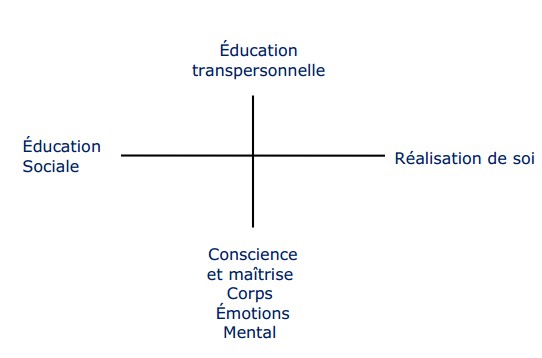
Emotional intelligence rests on two connected areas. The first is intrapersonal: what happens inside the child. It covers awareness of the body, managing emotions, positive thinking, recognising personal strengths and making decisions with confidence.
The second is interpersonal: how the child relates to others and to the environment. It includes social intelligence, cooperation, a sense of responsibility towards nature and empathy. A child who develops both areas is better able to stay balanced and to integrate socially.
What emotional education is not
It is not a theory to be learned, a list of right and wrong behaviours, or a way to control emotions and format personalities. It is also not psychotherapy. Think of it as gentle practice, much like the everyday habits behind positive discipline, where feelings are acknowledged rather than shut down.
Games that build emotional awareness
Games are natural opportunities for emotional learning. In the sculpture game, children work in pairs: one is the sculptor, the other the clay. The leader names an emotion, and the sculptor must express it through the other child's body.
This pushes the sculptor to think about how an emotion shows up physically and non-verbally, and to stay careful and gentle with their partner. The clay learns to trust, to be touched and guided without speaking. At the end, both can share what they tried to express and what they felt.
Simple cooperative play works the same way, and even a shared building session can become a lesson in patience and turn-taking, much like the calm focus encouraged by foam block toys or the quiet concentration of quiet toys.

| Activity type | What it develops | Simple example |
|---|---|---|
| Games | Empathy, trust, body awareness | The sculpture game in pairs |
| Art | Self-expression, trying out roles | Drawing, painting, collage |
| Movement | Body awareness, inner calm | Yoga, dancing, breathing |
| Words and stories | Naming feelings, reflection | Reading a tale together |
| Group sharing | Cooperation, listening | Talking about what was felt |
Art as a way to express feelings
Artistic activities are effective for freeing self-expression: drawing, painting, sculpture, collage, music and theatre. Anything that lets a child try out different roles is especially useful, because it gives them a safe space to explore emotions they may not yet have words for.
You do not need special talent or equipment. A stack of paper, some colours and a few minutes of free making can do more for a child's inner life than a formal lesson. The same creative muscle grows through open-ended making, as described in this guide on encouraging creativity.
For younger children, sensory play supports this exploration too; the ideas in sensory toys pair well with art sessions for toddlers.
The body, movement and inner awareness
Working with the body belongs in emotional education: walking, dancing, stretching, yoga, self-massage, breathing, martial arts and visualisation. These practices help children become aware of their bodies and, through that, more attentive to health, energy and presence.
They also open the door to what the author calls the inner spaces, the quiet place where a child can notice feelings without being swept away by them. Movement is often easier for children than talking, so it is a good starting point.
Physical confidence grows gradually, much like learning to balance and pedal, as covered in these tips to help your child learn to ride.
Words, reading and writing
Speaking and writing allow children to explore emotions, situations and insights, alone or in a group, so they benefit from the energy of exchange. Reading stories is particularly powerful: it puts children in a position to identify with characters, look inward, project themselves and find answers to their own questions.
This is one reason reading matters so much; the way reading and writing develop in children is closely tied to how they learn to name and understand feelings.
Story time also builds connection, and small rituals around it can carry the same warmth as the traditions described in these Thanksgiving values shared at home.
Bringing emotional education home
You do not need a curriculum. A few minutes of a game, a drawing session, a walk or a bedtime story are enough to practise emotional skills. The key is regularity and a calm, respectful tone rather than performance.
Parents and teachers can both use these ideas, and the approach stays focused on cooperation, respect and accessibility for every child. If you want more structured activities, look for detailed exercises you can adapt to your child's age and mood.
Keep expectations gentle, just as you would when choosing toys that suit a child's stage, such as the options in these toys for 5 year olds or this selection of speech therapy toys for children who need extra support with language.

My hands-on take
I first tried the sculpture game on a rainy afternoon with two children who were squabbling over a toy. One became the sculptor, the other the clay, and within minutes the argument was forgotten. What struck me was how carefully the sculptor handled their partner, checking poses were comfortable before moving on.
Since then I keep a small toolkit ready: paper and colours, a few storybooks, and space to move. None of it is fancy, but it works. I have learned to ask fewer questions and simply sit with a drawing or a story, letting the child lead.
Frequently asked questions
Is emotional intelligence the same as controlling emotions?
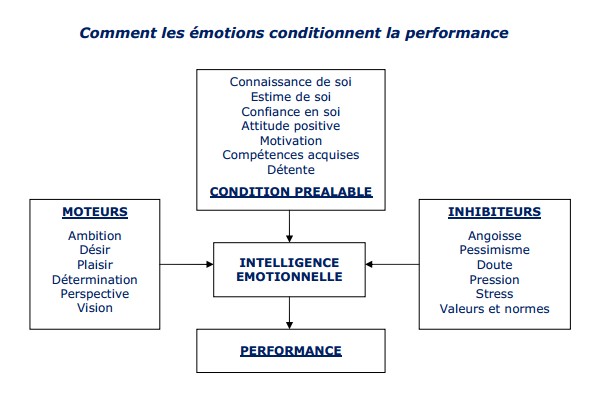
No. It is about being aware of emotions without being carried away by them. The goal is balance and understanding, not suppression.
Can I teach emotional intelligence at home without special training?
Yes. Games, art, movement and stories are enough to start. Regular, calm practice matters more than formal lessons or equipment.
What is the sculpture game?
Two children work as sculptor and clay, and the sculptor shapes an emotion using the partner's body. Both then share what they tried to express and what they felt.
Is emotional education a form of therapy?
No. It is not psychotherapy and does not aim to solve personal problems. It is everyday learning that supports wellbeing and relationships.
Product Reviews
 Best Toys for Dogs With High Prey Drive |
Best Outdoor Toys for 3-4 Year Olds |
Best Outdoor Toys for 6 Year Olds |
Best Harness for Poodle |
Best LEGO Sets for Adults |
Best Travel Toys for 4 Year Olds on Airplane |
Best Toy Stores in Washington DC |
Best Potty Training Toys |
Best Toys for Tripod Dogs |
Maillot equipe de france







