


Fear of the dark in children aged 3 to 6 is very common, and stories and picture books can genuinely help ease it. Several different approaches can support children as they learn to feel safe at night.
Some books show the night as it really is, others make monsters ridiculous, and a few offer comfort resources for the bedtime routine. Below you will find eight titles, each with a short description of what it brings to a frightened child.

Quick takeaways
- Fear of the dark is very common between ages 3 and 6.
- Realistic books show the night as busy and gentle, not monstrous.
- Funny monster stories make fears ridiculous and easier to laugh at.
- Heroes close to the child's age make courage feel achievable.
- Shadow puppets can turn darkness into a shared game.
- A personalised "safe place" story supports the bedtime routine.
A realistic approach to children's fear of the dark
The idea is to show children that the night is not full of monsters or wolves ready to jump on them. Instead, the reality of night is not so different from daytime: people work, streets are lit, and the moon watches over those who cannot sleep.
This approach works well alongside a calm evening routine, much like the gentle guidance you would use when you learning to walk without rushing. Children need time and reassurance, not pressure.
If bedtime battles are part of a wider pattern of behaviour, it can help to look at behaviours to avoid so that evenings stay warm rather than tense.
1. Perdu
This story follows the nighttime adventures of a small dog who meets several kind characters. The child therefore associates nightlife with soft, positive images. The lovely illustrations, the poetry of the text and the tenderness of the story make it a small treasure; for a child starting to read it is like a poem to learn by heart, and for a younger one the moon at the centre of the book is a real source of pleasure.
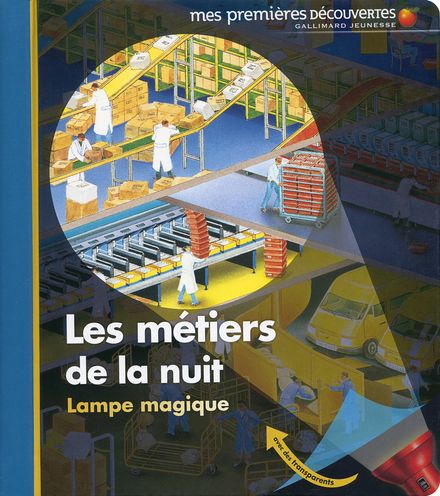
2. Les métiers de la nuit
This book describes the world of night work and gives the night a meaning. Knowing that adults are awake and busy can be deeply reassuring for a child who feels alone in the dark.
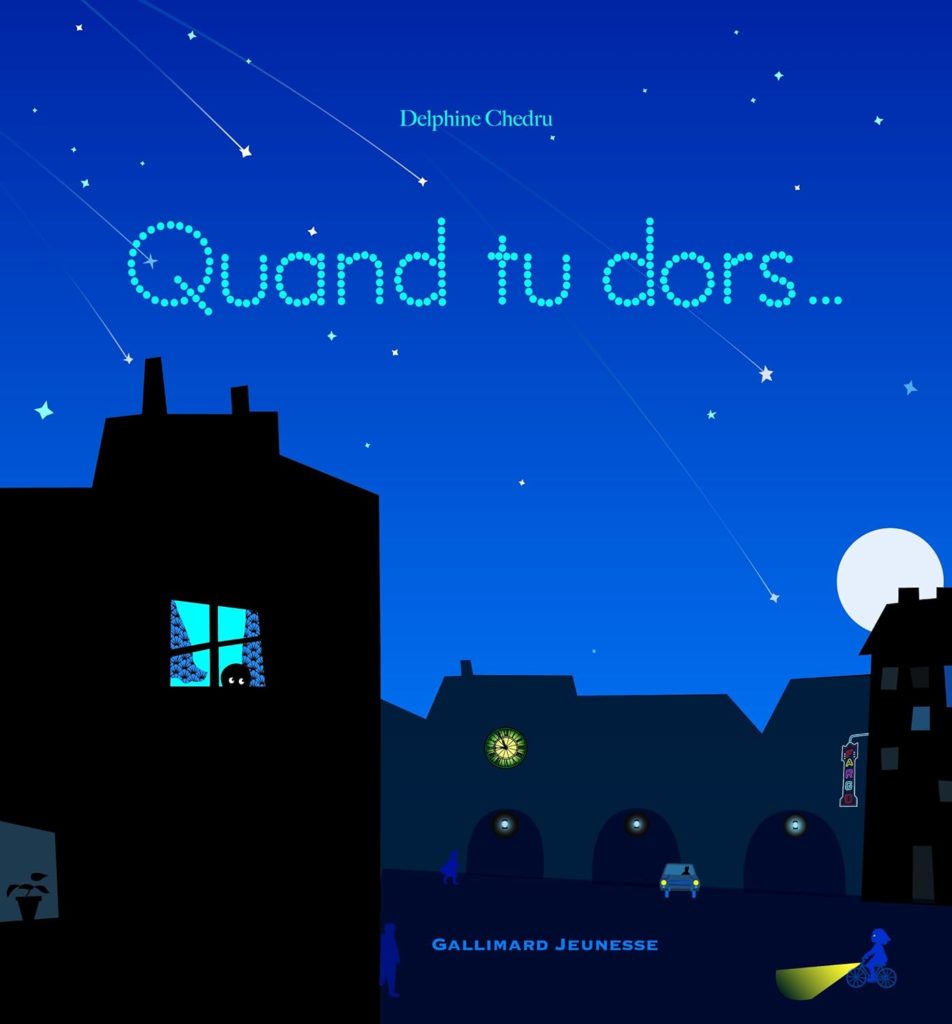
3. Quand tu dors
This book tells the adventures of the actors of the night: bin collectors, the museum guard, cats and mice, the astronomer, the market setting up, a baby being born in the maternity ward, until the sun rises. The illustrations are gentle and the negative fantasies linked to the night are pushed far away from children's minds.

Books for children with a humorous approach
Imaginary monsters, usually so frightening, are made funny or ridiculous. Laughter is a powerful tool: when a child can giggle at the thing that scares them, it loses much of its power.
Humour also gives children a sense of control, and it pairs nicely with the imaginative play you will find in our selection of imaginative play toys. Acting out a silly monster story during the day can make the same monster much less scary at night, much like the best learning toys turn practice into play.
4. Il y a un cauchemar dans le grenier
At night, when everything is black, the narrator is afraid because of a nightmare in the attic. Mum and Dad are not worried and say it is probably a mouse. One night, taking courage in both hands, the child slips quietly into the attic.
5. La nuit de Faust
Readers describe a totally unexpected and irresistible humour in this album, which children aged 3 to 6 understand without difficulty. The illustrations are magnificent and add to the visual pleasure of the story.
6. Benjamin et la nuit
This is the story of Benjamin, an endearing little turtle who manages to overcome his fear of the dark. A gentle, relatable hero makes the challenge feel achievable, much like the patience behind a master LEGO builder.
| Approach | What it does | Best for |
|---|---|---|
| Realistic night | Shows people working and streets lit | Children who imagine intruders |
| Humour | Makes monsters funny or silly | Children with vivid imaginations |
| Relatable hero | A small character faces the same fear | Children who feel alone in it |
| Safe-place story | Creates a calming imaginary refuge | Children who struggle to fall asleep |
| Shadow puppets | Turns darkness into a game | Children who enjoy play and laughter |
An approach featuring characters close to children
When the hero resembles the child, the story becomes a mirror. A character who is small, a little worried and still brave shows your child that fear is normal and that it can be faced.
This is the same principle that makes simple, familiar toys so comforting, as you can see in our guide to the best toys for two-year-olds. Familiarity is what makes a child feel safe, whether in a story or in play, and it is also why the best toys under $50 for six-year-olds often lean on characters children already know.
7. Balthazar n'a pas peur du noir et Pépin presque pas non plus
Here we meet Pépin and Balthazar, who face their fear of the dark. Balthazar observes the world of night with wonder, but Pépin does not much like it when everything is black and he cannot see anything. The two friends then have fun making monsters with shadow puppets, taming their nightmares through play.
Shadow puppets are easy to recreate at home with a lamp and your hands, and they turn the dark into a shared game rather than a threat.
A book with resources for parents of children afraid of the dark
8. Un nuage pour m'endormir
This children's book can help children who struggle to fall asleep. The story was designed to create a soothing space, a kind of imaginary refuge. It is personalisable with elements the child knows, such as their first name, places and preferences, so that they identify with the little hero. The book relies on the therapeutic tool of the "safe place".
The text and illustrations highlight the pleasure of sleeping, establish a peaceful climate at bedtime and offer resources to calm down in the evening.
If your child is unwell rather than simply afraid, it is worth knowing how to react when your son is sick and when a fear needs more than a story.

How to use these books at home
A book works best when it becomes part of a routine rather than a one-off remedy. Read the same story at the same time each evening so the child knows what comes next.
Talk about the pictures afterwards, ask what the hero felt, and let your child tell the story back to you. For families juggling a lot at once, our list of apps for parents can help you protect that quiet reading slot in a busy day.
Keep the tone light: if a book makes your child more anxious, put it away and choose another. The goal is comfort, never confrontation.


My hands-on take
With my own child, the turning point was not a serious conversation about the dark but a silly one. We started making shadow monsters on the bedroom wall with a small lamp, and within a week the same shadows that used to frighten him had become a game we played before lights out.
I also learned to keep the bedtime reading short and repeated. Reading the same gentle story every night for a month did far more than introducing a new book each evening. If your child is frightened, slow down, keep the lights dim rather than off at first, and let the story do the quiet work.
Frequently asked questions
At what age does fear of the dark usually appear?
It is very frequent in children aged 3 to 6, an age when imagination grows quickly. Stories help because they give the child words and images to work with.
Should I leave a night light on?
A soft light can reassure a child while they learn to feel safe. Pair it with a calm story so the light supports the routine rather than replacing it.
What if a book makes my child more scared?
Put it aside without making a fuss and choose a gentler title. The purpose of these books is comfort, so never force a story that increases anxiety.
Can I make up my own story?
Yes, and personalising it with your child's name and familiar places works well. It follows the same "safe place" idea used in the last book on the list.
Product Reviews
 Best Toys for Dogs With High Prey Drive |
Best Outdoor Toys for 3-4 Year Olds |
Best Outdoor Toys for 6 Year Olds |
Best Harness for Poodle |
Best LEGO Sets for Adults |
Best Travel Toys for 4 Year Olds on Airplane |
Best Toy Stores in Washington DC |
Best Potty Training Toys |
Best Toys for Tripod Dogs |
Maillot equipe de france







