


Anti-stress activities for kids are not about eliminating every difficult moment; they are about giving children practical tools to handle stress when it shows up. High stress blocks learning, and the brains of children and teenagers are especially sensitive to it. Starting elementary school is a real turning point from around age six.
The good news is that stress is not inevitable. As adults, we can shape a calmer environment and teach children to see stress differently — turning it into something to befriend rather than fear — while equipping them with concrete resources. The ideas below follow a positive, caring and empathetic approach to education.

Quick takeaways
- High stress blocks learning; children's brains are especially sensitive to it.
- Start by helping children understand and name their stress.
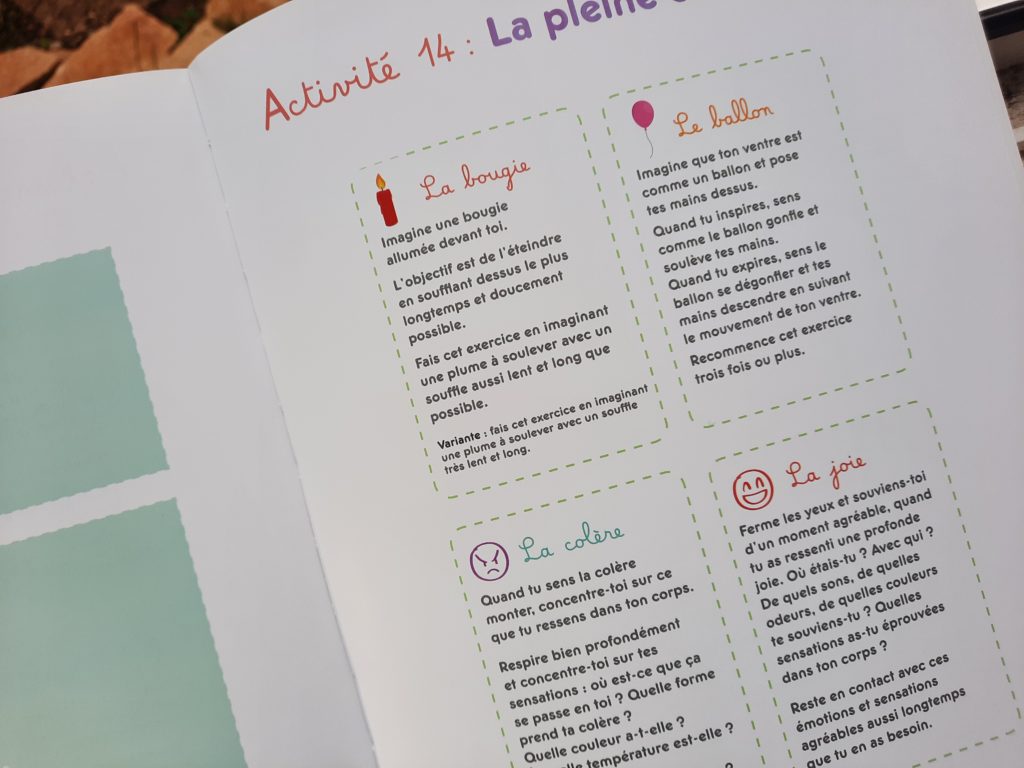
- Body-based relaxation and mindfulness bring children back to the present.
- Reframing negative thoughts builds lasting emotional resilience.
- Morning and bedtime routines lower daily stress at home and school.
- Family rituals like an emotions weather report strengthen connection.
Understanding stress before changing it
Before any exercise, children benefit from simply understanding what stress is and how it shows up in their body and mind. A stress curve helps them evaluate their own level, while a stress flower maps physical sensations and the thoughts that feed worry. This kind of awareness is the foundation for everything that follows.
Most activities are designed for children from age eight, though many can be offered to teenagers up to fifteen. The point is not to lecture but to give children a shared language for what they feel. When a child can name the tension in their shoulders or the thought looping in their head, they are already one step closer to calming it.
Parents often notice that everyday pressures — a move, a school trip, a sports competition — are easier to face once the child has this vocabulary. Building emotional understanding early is as important as any superhero toys a child might reach for to feel brave.

Using the body to reduce stress
Relaxation starts with the body. Simple corporeal exercises teach children to release tension through breathing, stretching and grounding in their senses. Mindfulness cards invite them to return to physical sensations and to the present moment whenever worry pulls them elsewhere.
These body-based tools are especially useful around transitions. A short routine before leaving for school can lower morning stress, and gentle rituals at bedtime make settling down easier. Parents who already think about baby sleep methods will recognize the same principle: calm is built through repetition, not force.
Movement and play matter here too. Physical activity, time outdoors and even a little dancing help children discharge nervous energy. Active play, including the best outdoor toys, gives children an easy way to burn off tension. If you are wondering children learn dance at what age, the answer is usually early — and the joy of moving is itself a stress reliever.

| Chapter focus | Key tools | Best for |
|---|---|---|
| Understanding stress | Stress curve, stress flower | Naming feelings and body signals |
| Using the body | Relaxation exercises, mindfulness cards | Calming down in the moment |
| Transforming thoughts | Reframing chart, encouraging phrases | Worry and low confidence |
| Preparing for school | Morning pictograms, planning habits | Focus and organization |
| Family life | Emotions weather report, love tank | Connection and gratitude |
Transforming the thoughts that feed stress
Stress is often powered by negative thoughts. A reframing chart helps children learn to catch a worried thought and reword it into something more balanced. Encouraging phrases, printed as a poster, give them ready-made words to lean on when confidence dips.
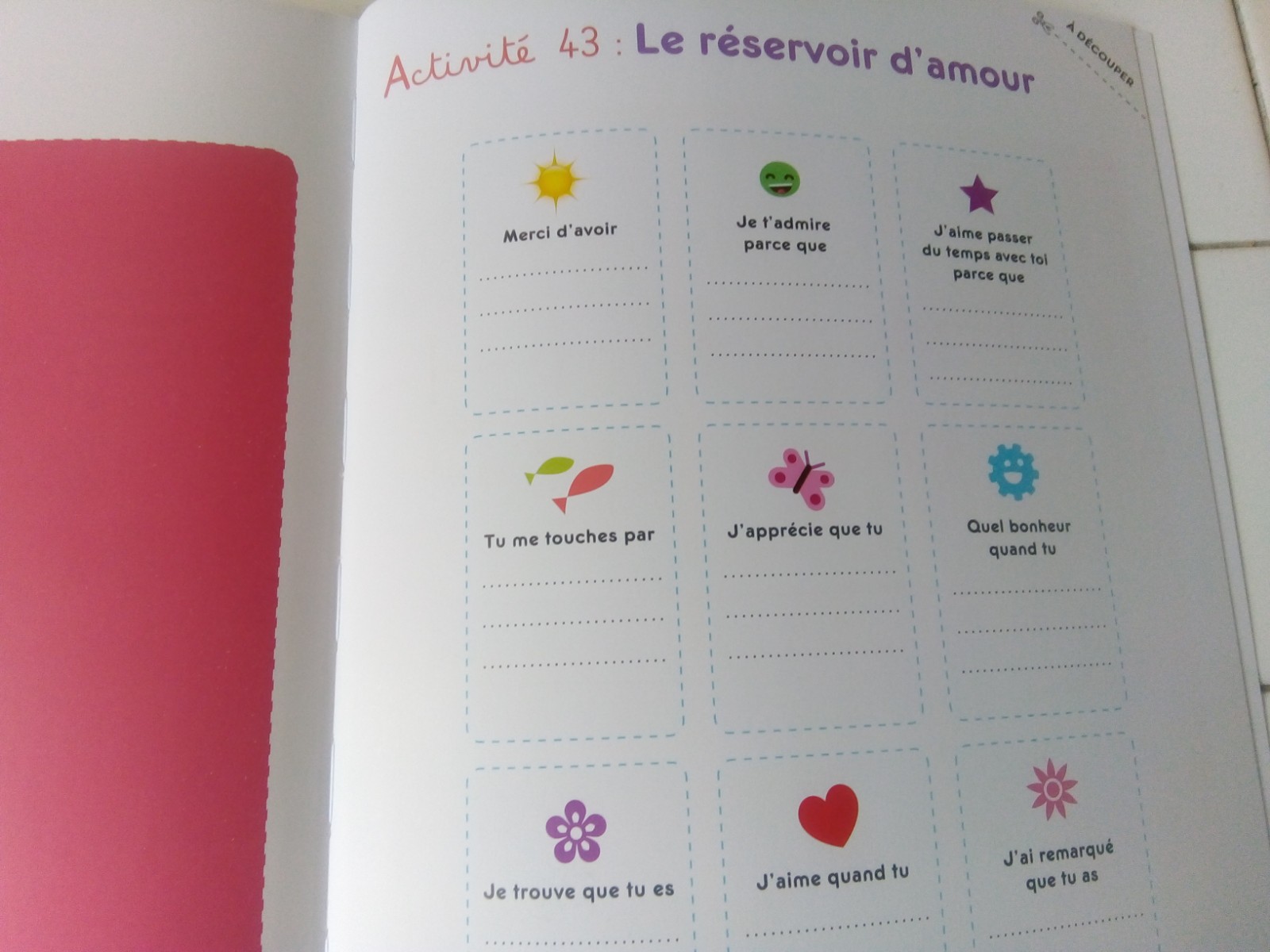
This is where positive psychology and emotional skills come together. Children practise naming feelings, noticing what went well and expressing gratitude. Small habits like a family gratitude jar or a shared love tank — filled with notes of appreciation — cultivate positive emotions over time.
Life habits support this work as well. A wheel of good habits linked to sleep and food, nature outings and a calm bedtime all help slow the arrival of stress. Even choosing outdoor toys for 5 year that get children outside can quietly support these healthy routines.

Preparing effectively for school
The school chapter draws on neuroscience and mental management to help children learn better, prepare well and organize efficiently. Rather than tackling everything at once, children learn to break tasks down, plan ahead and set up a workspace that supports focus.
Morning routines are a big part of this. Pictograms for a step-by-step morning sequence reduce the rush before school and give children a sense of control. A calm start to the day sets a calmer tone for the classroom.
These preparation skills travel well beyond school. Whether a child is packing for a trip or getting ready for a performance, the same habits apply. Families planning a getaway, for instance, can use the same checklist mindset as they look at rural houses for a holiday together.
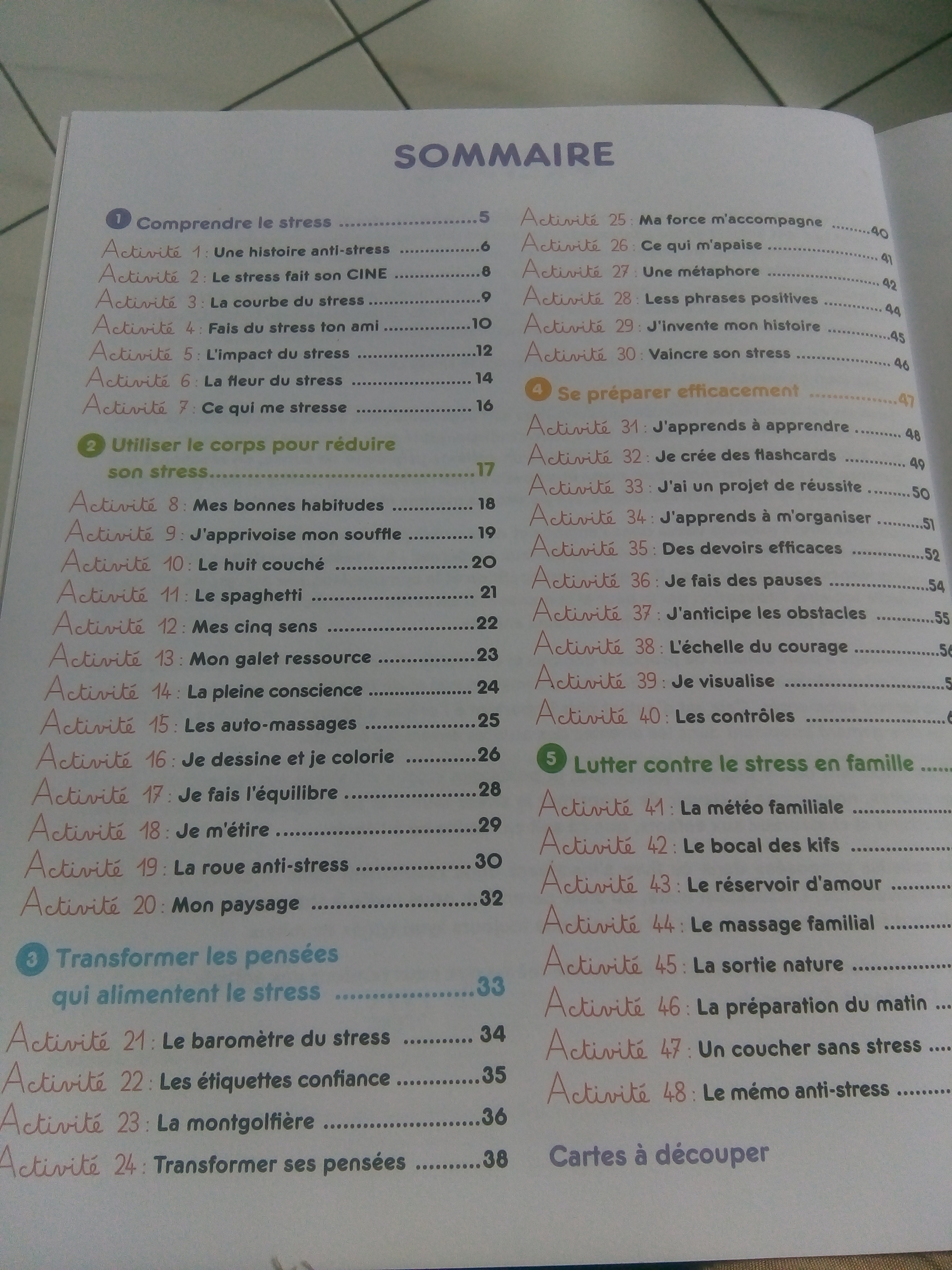
Fighting stress together as a family
The final part of the approach is dedicated to family life, with activities done together. An emotions weather report lets everyone name their inner climate, and a love tank collects messages of gratitude and affection. These shared rituals build connection, which is itself one of the strongest buffers against stress.
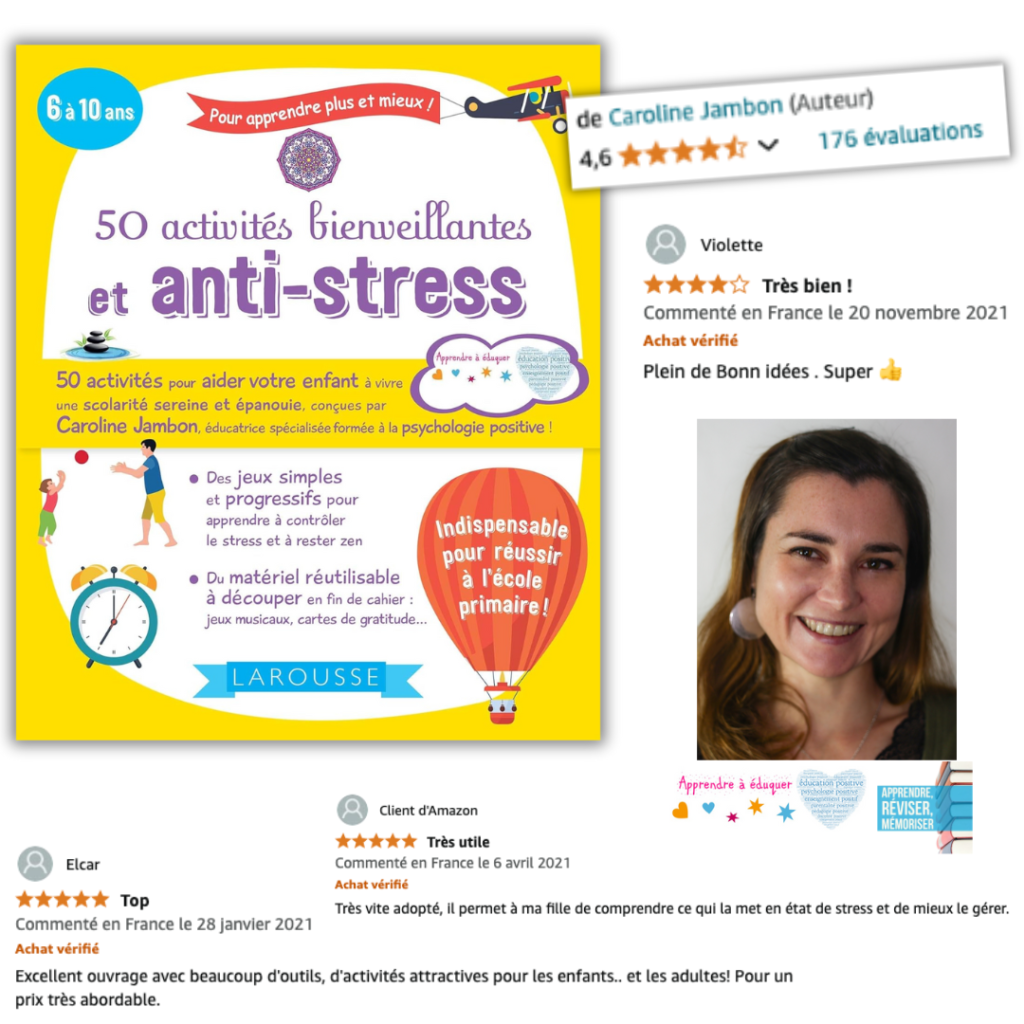
Family routines also include morning pictograms and calming bedtime rituals for a more serene evening. The resources are designed to be hands-on: detachable materials such as mindfulness cards, a stress curve and a stress flower make the tools easy to use at home.
The activities reach beyond school life, helping with moves, public speaking, theatre performances, sports competitions and school trips. They suit children roughly six to ten, with many adaptable up to fourteen. A little playful energy helps — perhaps even a rarest LEGO figure hunt to lighten the mood after a tense day, or some outdoor toys to burn off restless energy.



My hands-on take
What I appreciate most about this kind of approach is how hands-on it is. When I tried a simple emotions weather report at home, I expected eye-rolling, but the children actually enjoyed naming their "forecast" over dinner. It gave us a shared vocabulary for grumpy mornings without turning them into arguments.
My practical tip: start with one routine, not five. We began with a short morning sequence and a calmer bedtime, and only later added the gratitude notes. Doing too much at once defeats the purpose. Keep the tools visible — cards on the fridge, a poster by the door — so children can reach for them when they actually need them, rather than when we remember to suggest it.
Frequently asked questions
What age range are these anti-stress activities for?
They are designed primarily for children aged six to ten, with most activities suited to age eight and up. Many can also be offered to teenagers up to around fourteen or fifteen.
Do children need to understand stress first?
It helps a great deal. Simple tools like a stress curve and a stress flower let children recognize their own stress level and how it shows up in body and mind, which makes the exercises more meaningful.
Can these activities help outside school?
Yes. The same tools support children through moves, sports competitions, public speaking, theatre performances and school trips, not just classroom challenges.
Are the materials reusable?
Many resources are designed as detachable, fill-in tools such as cards, charts and posters, so families can use and adapt them again and again.
Product Reviews
 Best Toys for Dogs With High Prey Drive |
Best Outdoor Toys for 3-4 Year Olds |
Best Outdoor Toys for 6 Year Olds |
Best Harness for Poodle |
Best LEGO Sets for Adults |
Best Travel Toys for 4 Year Olds on Airplane |
Best Toy Stores in Washington DC |
Best Potty Training Toys |
Best Toys for Tripod Dogs |
Maillot equipe de france







