


A difficult child is not a label anyone should hand out lightly, yet many parents quietly wonder whether their child fits the description. The behaviours that make a child feel hard to raise are common and often normal in young children, because their emotional and mental immaturity explains a great deal.
What matters is understanding what sits behind the behaviour rather than searching for someone to blame. Causes are both complex and varied, and they interact with each other in ways that no single explanation can capture.

This guide breaks down the six categories of difficult behaviour, unpacks the factors that combine to explain them, and offers practical ways to respond with more patience and clarity.
Quick takeaways
- Difficult behaviour falls into six broad categories, and most of it is normal in young children.
- There is no sharp line between normal and pathological behaviour.
- Culture and personal history shape what an adult calls difficult.
- Parenting practices can be a consequence of difficult behaviour, not only a cause.
- Sibling comparisons and scapegoating can intensify difficult behaviour.
- Professional assessment should combine several observers' views.
What Does a Difficult Child Actually Look Like?
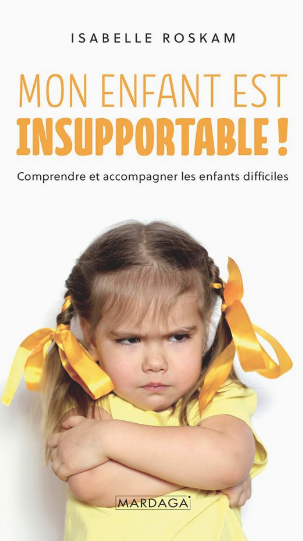
Psychologist Isabelle Roskam, in her book on children who feel impossible to handle, groups difficult behaviours into six categories. These are restlessness (constant movement), opposition (active refusal through systematic noes, or passive indifference to requests), and provocation (seeking power and trying to make adults uncomfortable).
She also names aggression, which she describes as a kind of bully attitude, along with impulsiveness (wanting everything immediately, sometimes with real safety risks) and emotional instability (rapid, frequent mood swings with outsized reactions).
Roskam stresses that these behaviours are common and normal in young children because of their immaturity. There is no clean line between normal and pathological behaviour, and what one adult calls difficult another may find perfectly acceptable. Culture and personal history shape that judgement heavily, which is why objective assessment by professionals who compare several observers matters so much.
Why Parents Are Not to Blame
Parents are not responsible for difficult behaviour, because its causes are both complex in how they interact and diverse in nature. Roskam pushes back hard on the idea that parents get the children they deserve: some children are simply easier to raise than others, which means others are harder.
It is equally false that difficult behaviour belongs mainly to disadvantaged families. No family is protected from the factors involved, such as problems forming a secure attachment, a temperamental predisposition, language underdevelopment or delayed brain maturation. Nor is a lenient home automatically the cause, since spoiled children are shaped by many influences beyond parenting alone.
Ready-made recipes and lectures belong to morality, not psychology. If you are juggling a household where shared parenting duties feel uneven, it helps to remember that exhaustion changes how any adult responds, and that is a circumstance, not a character flaw. Practical support, such as virtual babysitters for working parents, can take some of the pressure off without pretending to solve the underlying issue. The same goes for everyday habits like industrial ice creams, which are a shared pleasure rather than a verdict on your parenting.

| Category | What it looks like | A practical response |
|---|---|---|
| Restlessness | Constant movement, difficulty staying still | Offer movement breaks before asking for calm |
| Opposition | Systematic noes or passive indifference | Give limited choices instead of direct orders |
| Provocation | Seeking power, making adults uncomfortable | Stay neutral and avoid power struggles |
| Aggression | Bully-like behaviour towards others | Set a clear limit and name the feeling |
| Impulsiveness | Wanting everything now, safety risks | Build in a short pause before action |
| Emotional instability | Fast, exaggerated mood swings | Stay calm and name emotions simply |
How Parental Beliefs and Goals Shape Behaviour
Roskam argues that parental behaviour rests on two things: values, meaning what you want to instil in your child over time (autonomy, empathy, confidence), and concrete goals tied to daily life (avoiding a teacher's reprimand, tidying the room, good dental hygiene).
Every educational decision therefore aligns with an aspiration, and each parent has a "good" reason for acting as they do. The parent you might call lax may want to give their child the freedom they never had; the one you find too strict believes respect for rules is what allows a child to integrate into society.
Parenting practices can also be a consequence of difficult behaviour rather than a cause. Faced with repeated onslaughts, some parents give up while others tighten the screws until they turn harsh. Roskam calls the relationship bidirectional: the parent shapes the child, and the child's own traits shape the parent's methods in return.
Scapegoating, Sibling Differences and Clashing Temperaments
A difficult child can become the family scapegoat. The wider the differences in how siblings are treated, the more likely that child is to react with difficult behaviour in response to perceived injustice and hostility.
The parent-child relationship is also a meeting of two personalities, and it may prove more or less happy. A very nervous parent can reinforce an innately nervous temperament, making the relationship explosive; a parent with mood swings can heighten an anxious child's anxiety and make everyday guidance harder.
Most parents want the best for their children, and that intention is worth holding onto on hard days. If you are looking for ways to make daily life calmer and more playful, small shared rituals help, and a reminder of the importance of play can reset the tone of an afternoon. Time outdoors works similarly well, whether you are choosing outdoor toys for toddlers or simply getting everyone into the garden.
Practical Steps When Behaviour Feels Unmanageable
Start by describing what you actually see rather than judging the child. Note when restlessness, opposition or impulsiveness appears, what came before it, and how you responded. Patterns become visible quickly, and patterns are easier to work with than labels.
Then look at the basics: sleep, language, movement and routine. A child who is chronically tired or struggling to express themselves will show it through behaviour. If you are caring for several young children at once, guides such as this baby care can help you keep routines steady without overcomplicating them, and these twins sleep tips can make bedtime calmer too.
Finally, seek a professional opinion when behaviour affects safety, school or family life over time. Ask for input from several observers, as specialists do, and treat their assessment as information rather than a verdict. Between appointments, keep home life warm and predictable, and let children burn energy in ways that suit them, whether that means outdoor toys for preschoolers or simple running about. Dressing little ones for festive outings can also be part of the fun, as these Christmas outfit ideas show.

My hands-on take
In my own home, the most useful shift was to stop asking "why is my child like this" and start asking "what happened just before this". Keeping a rough note of the day's flashpoints showed me that most meltdowns landed in the same tired, hungry window. That did not fix everything, but it made me far less likely to take the behaviour personally. I also learned to watch my own state. On days when I was rushed, my reactions were sharper and the whole household tightened. Slowing my own voice down, naming what I saw, and giving a clear limit without a lecture did more than any reward chart. If you are in the thick of it, be gentle with yourself; the relationship is a meeting of two personalities, and it can be improved.Frequently asked questions
Is my child's difficult behaviour my fault?
No. The causes are complex and varied, and no family is protected from them. Parenting practices can be a consequence of difficult behaviour as much as a cause.
When should I seek professional help?
When behaviour persistently affects safety, school or family life. A professional can assess it objectively and compare observations from parents, teachers and specialists.
Can a child become difficult because of sibling comparisons?
Yes. When treatment differences between siblings grow, a child may react with difficult behaviour to perceived injustice and hostility.
Does culture affect what counts as difficult?
Strongly. What one culture sees as exuberant, another may find hard to tolerate, so judgements about behaviour are never entirely neutral.
Product Reviews
 Best Toys for Dogs With High Prey Drive |
Best Outdoor Toys for 3-4 Year Olds |
Best Outdoor Toys for 6 Year Olds |
Best Harness for Poodle |
Best LEGO Sets for Adults |
Best Travel Toys for 4 Year Olds on Airplane |
Best Toy Stores in Washington DC |
Best Potty Training Toys |
Best Toys for Tripod Dogs |
Maillot equipe de france







