


When a child smiles when scolded, many parents feel confused, hurt or even provoked. That smile can look like defiance, mockery or a clever attempt to manipulate the situation, and it is easy to react to it as if it were a deliberate affront.
In reality, this reaction has nothing to do with disrespect. It is an unconscious, instinctive response to stress, and understanding it changes the way we handle those tense moments. This article explains what is really happening and offers practical, caring alternatives to shouting.

Quick takeaways
- A child's smile during scolding is an unconscious stress response, not manipulation.
- Shouting stops behaviour through fear but does not teach a better alternative.
- Aggression drains a child's emotional reservoir and increases irritability.
- A stressed brain cannot think, so reasoning is impossible in the moment.
- Look for the unmet need behind the behaviour instead of punishing the surface.
- Repair calmly after conflict and refill connection through daily play and attention.
Why a child smiles when scolded: the stress response
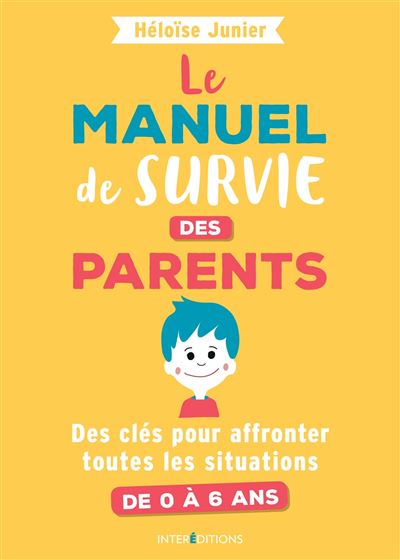
According to psychologist Héloïse Junier, in her book on surviving parenthood, children who smile while being scolded are not manipulating their parents. The smile is neither a manipulation technique nor a sign of provocation. It is a non-conscious, instinctive response: the child, stressed and disconcerted, starts to smile to lower the level of aggression coming from an upset parent.
Seen this way, the smile is a peace offering rather than a challenge. The child senses the adult's tension and, without deciding to, tries to soften it. Remembering this can help you stay calm, much like the steady approach described in these parenting commandments for everyday family life.
What the smile is not
It is not a sign that the child feels nothing or enjoys being reprimanded. It is a reflex triggered by discomfort, not a calculated move. Treating it as defiance only adds fuel to an already stressful moment.
Why scolding and shouting do not work
Junier points out that it is ineffective to scold children and shout at them when they behave in ways we consider inappropriate. Shouting and scolding provide no resources for doing things differently and do not address the root of the problem, which is the cause of the behaviour: an unmet need. The child stops the action out of fear but may repeat the same behaviour in a similar situation, because neither the adult nor the child has learned what to do differently by thinking in terms of needs or environment.
Shouting does make a child stop what they are doing, but shouting frightens the child and nothing more. A parent's shouting and displays of aggression generate stress in the child and drain their emotional reservoir. A stressed child with an empty emotional reservoir is more irritable and may try to fill it in inappropriate ways, setting up a vicious circle between the child's behaviour and the adults' repression. A child whose brain is under stress cannot think, and the younger the child, the truer this is. A child cannot be under stress and think at the same time, so shouting and scolding have no educational value.
This is why calm, connection-based approaches matter so much, whether you are managing daily routines or choosing toys for five year olds that keep play peaceful and engaging. It also helps to know which phrases to avoid when tensions run high.

| What you see | What is really happening | What helps |
|---|---|---|
| Smiling during a reprimand | Stress and an instinct to reduce tension | Pause, lower your voice, stay calm |
| Child repeats the behaviour | The unmet need was never addressed | Look for the need behind the action |
| Child seems irritable afterwards | Emotional reservoir is drained | Reconnect with attention and play |
| Child cannot explain themselves | A stressed brain cannot reason | Wait, then talk calmly later |
| You lost your temper | A rupture that needs repair | Apologise briefly and reconnect |
How to react with kindness instead of shouting
The first step is to pause before reacting to the smile. Name what you see without accusing: the child is overwhelmed, not mocking you. Lowering your voice and slowing down gives the child's brain a chance to settle so it can actually process what you say.
Next, look for the unmet need behind the behaviour. Ask yourself what the child was trying to achieve, whether it was attention, rest, hunger or a sense of control. Addressing that need, rather than the surface behaviour, is what prevents the same scene from repeating. Practical routines and gentle limits, similar to the ideas in these comfortable sandals tips for keeping children content, help reduce daily friction.
Repair after the storm
If you did shout, reconnect afterwards. A short, calm conversation restores the emotional reservoir and models how to repair a rupture, which is a skill children carry into friendships and sibling relationships.
Filling the emotional reservoir day by day
Because stress empties a child's emotional reservoir, everyday moments of connection refill it. Shared play, unhurried meals and a few minutes of undivided attention go a long way. Even sorting and tidying together, as described in these ideas on sorting LEGO bricks, can become a calm, cooperative ritual rather than a battle.
Play is one of the most reliable ways to lower stress. Open-ended building, outdoor time and simple creative projects give children a safe outlet for tension. Choosing fine motor skill toys can make that play even more purposeful. You might rotate the toys you keep accessible, following these suggestions on reusing old toys, so that play stays fresh and engaging without adding clutter.
Reading together is another quiet way to reconnect, especially with the kind of reading stories that children between seven and ten enjoy. The goal is not perfection but a steady supply of small, warm moments that keep the reservoir from running dry.
Building a calmer household over time
Reducing shouting is a habit, not a single decision. Notice your own triggers, plan for the moments that usually go wrong, and give yourself grace when you slip. Children learn far more from how we repair than from how flawless we are.
It also helps to think about the environment. A predictable rhythm, clear expectations and age-appropriate activities reduce the situations where conflict flares. Choosing engaging play materials, such as the Montessori climbing toys that support movement and focus, can channel energy in positive directions.
Finally, protect your own reserves. A rested, supported parent is far less likely to shout, and that calm is contagious. Small changes, repeated consistently, gradually turn a tense household into one where mistakes are met with understanding rather than fear.

My hands-on take
I remember the first time my own child smiled at me mid-reprimand, and I felt my frustration spike instantly. It looked like he was laughing at me. After learning about the stress response, I started pausing instead of escalating, and the difference was striking. The smile was still there, but I no longer read it as defiance.
What helped most in our home was paying attention to the moments before the conflict. Often he was tired, hungry or simply bored, and a few minutes of shared play or a snack defused what would have become a shouting match. I am not perfect at this, and I still raise my voice sometimes. But repairing afterwards, with a short calm conversation, has made our home noticeably gentler.
Frequently asked questions
Is my child manipulating me when they smile while being scolded?
No. According to psychologist Héloïse Junier, the smile is an unconscious, instinctive response to stress. The child is trying to reduce the tension they sense in the adult, not to provoke or control.
Why doesn't shouting make my child behave better in the long run?
Shouting stops the behaviour through fear but does not teach an alternative or address the cause. The child may simply repeat the same action in a similar situation because no one has learned what to do differently.
What should I do in the moment when I feel myself getting angry?
Pause and lower your voice before responding. A stressed child cannot think clearly, so waiting until both of you are calmer makes any conversation far more useful.
How can I prevent these situations from happening so often?
Focus on the unmet need behind the behaviour and keep your child's emotional reservoir full through daily connection, play and predictable routines. Repair calmly whenever things go wrong.
Product Reviews
 Best Toys for Dogs With High Prey Drive |
Best Outdoor Toys for 3-4 Year Olds |
Best Outdoor Toys for 6 Year Olds |
Best Harness for Poodle |
Best LEGO Sets for Adults |
Best Travel Toys for 4 Year Olds on Airplane |
Best Toy Stores in Washington DC |
Best Potty Training Toys |
Best Toys for Tripod Dogs |
Maillot equipe de france







