


Toddler hitting for no reason can leave a parent confused and embarrassed, especially when the child seems to lash out of nowhere. There is no conflict, no stolen toy, no visible frustration, just a sudden hand against your arm or a sibling's shoulder.
Punishment and repression tend to be ineffective here. A gentler reading of the behavior, focused on what the child is trying to communicate, is far more useful than a reprimand.

Quick takeaways
- Hitting without a reason is usually not aggression but a need for contact.
- A modified state of consciousness explains the sudden, dreamy hit.
- Do not let yourself be hit; gently redirect the hand.
- Name what is happening in the child's mind with simple words.
- Punishment and reproaches are ineffective in this situation.
- Consistency over time helps children find words instead of hands.
The Modified State of Consciousness Behind the Hit
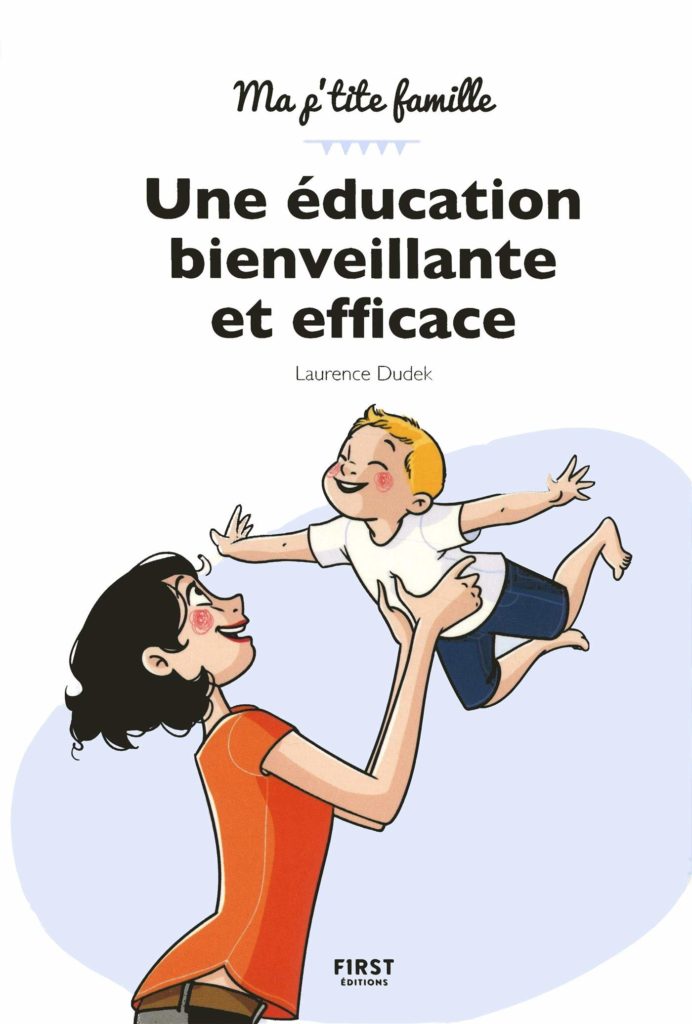
Young children who hit without an apparent reason are often caught in what psychotherapist Laurence Dudek calls a modified state of consciousness. This is the dreamy state you notice when a child seems to be in the clouds, bored in class or at a long family dinner. It is a natural exercise the brain practises several times a day, ranging from simply closing the eyes to deep sleep.
Adults know it too, for example when we arrive somewhere without remembering whether we locked the front door, even though we did. In this state, children can "listen without listening": their ordinary awareness misses the information, but their deeper awareness captures it. Dudek describes a comprehension without the filters of verbal language, such as negation, irony or second degree, and without the filters of conscious experience.
What This Means for Behavior
This leaves room for another internal form of personality, the unconscious. Understanding this helps parents read the sudden hit as a signal rather than an attack, much like learning to read other everyday signals in parental gaze and child development. The same attentive reading applies when you talk about sex or share snow games together.

Why These Children Hit Without an Apparent Reason
Hitting without an apparent reason means the child is not reacting to frustration, failure, jealousy, a toy taken by another child or an open conflict. It is neither an emotional reaction nor a stress discharge, but an isolated act. Dudek reads it without attributing any aggressive intention to the young child.
These behaviors reveal two things: a need for communication or contact, and an inability to express that need with words. The child is often absorbed in play, watching television or nursing, and suddenly feels a need to communicate or touch. There is a gap between the moment they have something to say and the reflection that would help them know what to say. They are in a modified state of consciousness and also too small to find the right words.
If you are also navigating mealtimes and routines, the same calm observation applies to teaching tooth brushing and other daily habits. The same patient, observant approach also helps with swimming with children and everyday moments like how to educate children.
| Situation | Punitive reaction | Gentle alternative |
|---|---|---|
| Child hits during play | Reprimand and time-out | Gently redirect the hand, name the need |
| Child hits while nursing | Pull away sharply | Explain you will talk afterwards |
| Child seems in the clouds | Raise your voice | Approach softly, give a bridge back |
| Child wants something | Demand an apology | Offer help to find the words |
| Repeated isolated hits | Threaten consequences | Stay consistent and calm |
Why Punishment Backfires
In the Effective Education model she proposes, Dudek insists on how harmful reproaches and punishments are in this situation. A punitive and repressive approach when a child hits without an apparent reason is ineffective. The child is not acting out of malice, so a reprimand lands as a confusing message about a need they could not voice.
Instead, the adult can protect themselves while staying warm. You do not have to let yourself be hit: you can gently take the child's hand and redirect it. This keeps the boundary clear without turning the moment into a conflict. The same protective, non-punitive stance is useful in many parenting situations, from angry outbursts to moments of tension, and it echoes the care behind protecting children's feet from the cold.
Staying calm also protects the relationship, which matters as much as the immediate behavior.
What to Say Instead of Scolding
Dudek invites parents to explain to the child what is happening inside them, using simple words. For example: "You were playing and suddenly you thought of me and came to ask for me, I am here." Or: "You cannot talk because you are nursing, we will talk afterwards." And: "I see you want to ask something, I will help you."
These phrases name the need without blame and give the child words they do not yet have. They also reassure the child that the connection is intact. Over time, this verbal scaffolding helps children replace the sudden hand with a gesture or a word.
Patience pays off, much like the steady routines that support baby bike rides or any new skill a small child is learning.

Building a Calmer Daily Rhythm
Because these hits often happen during absorption in play, television or nursing, you can gently prepare transitions. A soft spoken word before you approach, or a hand placed calmly nearby, gives the child a bridge back from the clouds. Watching for the dreamy look helps you anticipate rather than react.
Keeping the environment predictable also reduces the number of sudden interruptions. The goal is not to eliminate every isolated act but to respond consistently, so the child learns that contact can be requested safely. This is the same principle behind ear pain care or any caregiving moment: calm, predictable, and attentive.
Over weeks, most young children gradually find words and gestures that replace the reflex.
My hands-on take
In my own home, the sudden hit almost always came during absorbed play. I learned to watch for that dreamy look and to approach softly rather than call out from across the room. Taking the small hand gently and saying, "I see you wanted me, I am here," changed the tone of the whole moment.
It took repetition, and some days I got it wrong. But staying calm and consistent, without scolding, gradually gave my child the words that replaced the reflex.
Frequently asked questions
Is my toddler hitting on purpose?
Usually not. In children under four, an isolated hit without an apparent reason is often a clumsy attempt to communicate a need for contact rather than a deliberate act of aggression.
Should I punish my child for hitting?
A punitive approach tends to be ineffective here. Gently redirecting the hand and naming what is happening inside the child is more useful than a reprimand.
What can I say in the moment?
Keep it simple and warm. You might say that you see they wanted to ask something and that you are there to help, which gives them words they do not yet have.
When does this behavior fade?
As language develops, most young children gradually replace the sudden hand with words or gestures, especially when adults respond calmly and consistently.
Product Reviews
 Best Toys for Dogs With High Prey Drive |
Best Outdoor Toys for 3-4 Year Olds |
Best Outdoor Toys for 6 Year Olds |
Best Harness for Poodle |
Best LEGO Sets for Adults |
Best Travel Toys for 4 Year Olds on Airplane |
Best Toy Stores in Washington DC |
Best Potty Training Toys |
Best Toys for Tripod Dogs |
Maillot equipe de france







