


The BFG (The Big Friendly Giant) is one of Roald Dahl's most endearing children's books, and it earns its place on the family shelf twice over: once for its humour and invented language, and once for the values it quietly carries.
Sophie, an orphan, is snatched from her dormitory window by a giant in a long black cloak. She expects to be eaten. Instead she has landed with the Big Friendly Giant, who eats vegetables and blows dreams into children's bedrooms.

What follows is a warm, very funny adventure about two very different people who become friends and decide to do something about a real injustice.
Quick takeaways
- The BFG pairs Dahl's funniest invented language with serious themes: tolerance, kindness and non-violent courage.
- Sophie and the giant solve a real injustice by outthinking rather than overpowering.
- The nonsense words are a genuine vocabulary workout disguised as silliness.
- Best as a read-aloud from around age seven, then as an independent read.
- The palace breakfast and the whizzpopper scene are the moments children remember.
- Extend the book with drawing, dream jars and pretend play rather than worksheets.
A Story That Starts With Fear and Ends in Friendship
The opening is deliberately frightening: a huge hand reaches in, and Sophie is carried off to the land of the giants. Dahl lets the child reader feel that fear, then gently turns it around. The giant who took her is not like the others.
He is the BFG, a vegetable-eating giant who catches dreams and blows them into bedrooms at night. Sophie is small, clever and quick; he is enormous, kind and aware of his own worth despite having had no schooling. Their friendship grows precisely because they are so different, and both are outraged by the violence of the other, man-eating giants.
That outrage is what drives the plot. Instead of answering violence with violence, the two of them pool their cleverness to find another way — a thread worth naming when you talk about teaching core values at home.
Big Themes Hidden Under the Jokes
Like Dahl's other books, The BFG wears its messages lightly. Tolerance, kindness, peaceful coexistence between very different people and a healthy suspicion of appearances all run through the story without ever turning into a lecture.
There is also a clear thread of non-violent revolt against injustice. Sophie and the BFG do not overpower the other giants; they outthink them, and they enlist help. For a child, that is a far more interesting lesson than a simple victory, much like the solidarity initiatives that show kindness in action.
Why the Humour Matters
The jokes are not decoration. They keep a story about fear and unfairness readable for a young child, and they give the serious moments room to land. A book that makes you laugh out loud is also a book you are willing to discuss afterwards. Patience with tricky moments, such as knowing how to give drops calmly, helps too.
| Stage | How to read it | What to watch for |
|---|---|---|
| Age 6-7 | Read aloud, two voices, one chapter a night | Scary opening; reassure as you go |
| Age 8-9 | Alternating pages with an adult | Nonsense words; pause to decode together |
| Age 9-10 | Independent reading | Talk about the giants and fairness |
| Any age | Audiobook or repeat read | Silly voices make the invented words click |
| After reading | Drawing, dream jars, palace play | Keep it playful, not a comprehension test |
A Feast of Invented Language
This is where The BFG becomes a language playground. The giant speaks in his own vocabulary: snozzcumbers, trogglehumpers, frobscottle that makes you whizzpopper, and phrases like "you is a whizzpopper" or "don't gobblefunk around with words".
Dahl mixes invented words with real ones so skilfully that children decode the meaning from context without noticing they are working. That is exactly the kind of playful exposure that supports language development toys and reading alike.
Read aloud, the nonsense words are a gift: they invite silly voices, repeated readings and a lot of laughter. They also open the door to word games — inventing your own giant words is a natural follow-up activity, and a quiet one, which makes it a good fit alongside calm quiet toys for a wind-down after reading.
Breakfast at the Palace: The Queen, the Giant and the Whizzpopper
The plan takes Sophie and the BFG to the royal palace of the Queen of England, and the final act is a chain of increasingly improbable incidents. The central comic problem is beautifully practical: how do you serve breakfast to a seven-metre giant?
And yes, the BFG dares to whizzpopper in front of the Queen — a scene children remember for years. The ending is as mischievous as everything that precedes it, and it rewards readers who have followed the whole journey.
This palace sequence is also a good moment to talk about manners and self-control with a smile rather than a lecture; if that conversation gets tricky, it helps to remember that gentle discipline works better than bargaining or threats.

Reading It at Home: Ages, Formats and Habits
The BFG works beautifully as a read-aloud from about age seven, and later as an independent read once a child is comfortable with longer chapters. Reading it in two voices, or taking turns per chapter, keeps everyone involved.
If you are building a Dahl shelf, it sits naturally beside Charlie and the Chocolate Factory, Fantastic Mr Fox, Matilda, The Enormous Crocodile and The Twits. The shared qualities are the same: humour, rich vocabulary, strong messages under an apparently simple surface.
For families who like to plan reading time the way they plan play, a small ritual helps — a fixed slot, a comfortable corner, and a short talk afterwards. The same habit-building logic behind child brain development applies to reading routines: repetition and warmth do more than pressure.
Making the Book Last Beyond the Last Page
A finished book can keep working. Draw the giants, invent a new dream, cook something that looks suspiciously like a snozzcumber, or act out the palace breakfast with toys playing the Queen and the giant.
Building and small-world play pair well with the story, and the patience it takes to assemble something is its own quiet lesson — much like the focus encouraged by Montessori climbing toys in a different register. A simple dream jar, decorated and filled with written wishes, is another easy extension, and crafty families might enjoy a Christmas centerpiece project alongside it.
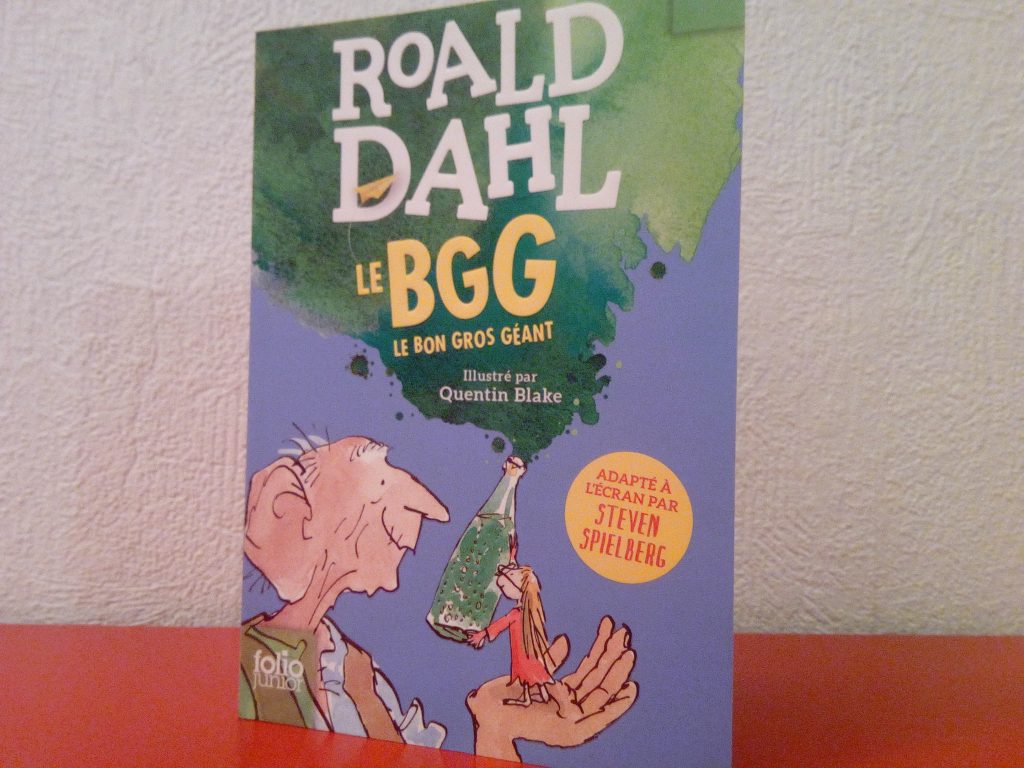
Finally, the book is widely available in libraries, bookshops and online, in the Folio Junior edition among others. Borrowing first is a sensible way to test whether the humour lands before buying — the same try-before-you-commit approach many parents take with cause and effect toys.

My hands-on take
We came to The BFG after working through several other Dahl titles, and it quickly became the one my daughter asked for again and again. We read it in two voices, which turned the giant's invented words into a running joke in our house — she still corrects my pronunciation of the nonsense ones.
What surprised me was how naturally the serious conversations arrived. We did not sit down to discuss tolerance; we simply ended up talking about why the BFG was kind while the other giants were not, and what Sophie could possibly do about it. My practical advice: do not rush the palace chapters, and keep a notebook nearby for the made-up words your child invents. Ours filled a page, and those words outlasted the book.
Frequently asked questions
Is The BFG suitable for a sensitive child?
The opening is genuinely tense, and the other giants are described as frightening. Reading it aloud lets you soften the tone and stop to reassure. Many sensitive children still love it once the BFG's kindness appears.
What age is The BFG written for?
It works well as a read-aloud from around seven, and as an independent read a little later, when a child is comfortable with longer chapters. Every child's reading stamina differs, so let the child set the pace.
Why does the giant speak in made-up words?
It is a deliberate comic device, and it is also a clever way to make children work out meaning from context. The invented vocabulary is one of the reasons the book is so often recommended for language.
Does the book have a violent ending?
No. The conflict with the man-eating giants is resolved through cleverness and help from others rather than through a fight, which is central to the book's message.
Product Reviews
 Best Toys for Dogs With High Prey Drive |
Best Outdoor Toys for 3-4 Year Olds |
Best Outdoor Toys for 6 Year Olds |
Best Harness for Poodle |
Best LEGO Sets for Adults |
Best Travel Toys for 4 Year Olds on Airplane |
Best Toy Stores in Washington DC |
Best Potty Training Toys |
Best Toys for Tripod Dogs |
Maillot equipe de france







