


Positive parenting is easier to understand than to practise on a difficult morning, which is exactly why a small, synthetic guide can earn a place on the kitchen shelf. This pocket-format book, built around fifty golden rules, sets out the key tools for bringing a caring but firm approach into daily family life.
It is not a long academic treatise. Each double page takes one idea, from developing emotional intelligence to stepping out of power struggles, and presents it in short lists with quotations. Below is what the guide contains, who wrote it, and how I would actually use it.

Quick takeaways
- A pocket-sized guide built around fifty golden rules, one per double page
- Neither permissive nor punitive: the aim is benevolent authority
- Written by a clinical psychologist and a specialist in innovative pedagogies
- Covers emotional intelligence, power struggles, screens and parental self-care
- Includes small exercises for children and parents, plus a bibliography
- Best used as a refresher, not as a first book on parenting
Why parents reach for positive parenting
The publisher's premise is familiar to most families: we want the best for our children in a competitive society, we fear they will not manage, and that fear pushes us toward authoritarian habits that can end up discouraging them. Positive parenting is offered here as a middle path, neither permissive nor punitive.
The stated aim is to grow self-discipline, a sense of responsibility, autonomy, the desire to learn and mutual respect. That is a long list for one small book, but it explains the tone: calm, benevolent authority rather than control. Parents who are still deciding how to organise their days may find the practical side of childcare options worth reading alongside it.
A method, not a slogan
The guide frames positive parenting as a set of tools and a method, which is a useful correction to the idea that it simply means saying yes more often. Structure and limits stay in the picture; what changes is how they are communicated.
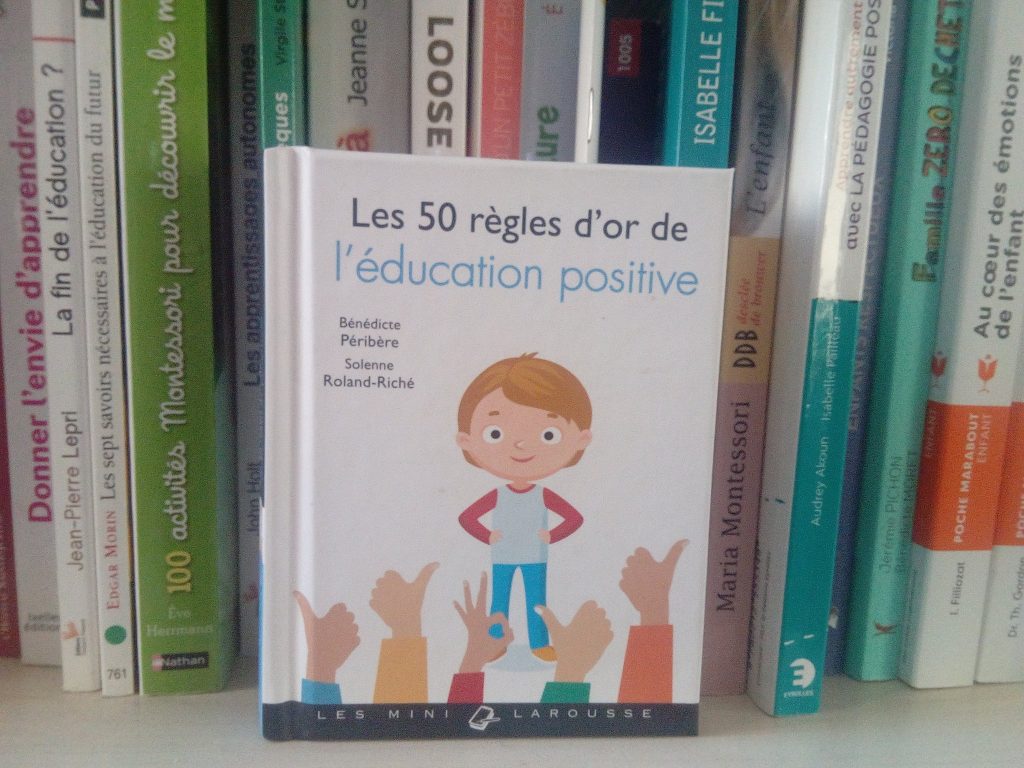
The authors behind the fifty rules
Bénédicte Péribère is a clinical psychologist who worked until June 2015 in a child psychiatry department of a hospital in Nice. Daily contact with children facing behavioural and personality difficulties, bullying and hyperactivity led her to see prevention in family and school settings as essential. She now trains educators, parents and teachers in positive discipline in France and abroad.
Solenne Roland-Biché specialises in innovative pedagogies and founded an association that creates games and educational programmes to build social and academic skills in children and teenagers. Trained with the American and French associations for positive discipline founded by Jane Nelsen, she runs seminars for parents, teachers, mediators and educators.
That combination matters: one author brings clinical experience with struggling children, the other brings games and classroom practice. Playful parenting is not an afterthought here, and families who like learning through play may also enjoy pretend play toys as a natural extension of the approach.

| Feature | What you get | Best for |
|---|---|---|
| Format | Pocket book, fits in one hand | Keeping nearby for quick reference |
| Price | 3.95 euros | Trying the approach at low cost |
| Layout | One key per double page, lists and quotations | Reading in short bursts |
| Content | Positive psychology, emotions, screens, self-care | Parents wanting an overview |
| Extras | Exercises and a bibliography of key titles | Readers ready to go deeper |
| References | Gueguen, Siegel, Filliozat, Rosenberg | Checking the ideas behind the rules |
What makes this little guide stand out
The format is the first strength: a pocket book that fits in one hand, priced at 3.95 euros, and deliberately synthetic. The layout is airy, built from lists and quotations, with one key per double page. Chapter titles such as Develop emotional intelligence, Step out of power struggles, Let go! and Look for solutions rather than culprits give a fair idea of the tone.
The range of principles is wider than the size suggests, moving from positive psychology to screen questions, via playful parenting and the importance of parents taking care of themselves. The book also refers to recognised authors including Catherine Gueguen, Daniel Siegel, Isabelle Filliozat and Marshall Rosenberg, and mentions neuroscientific principles, having been published in March 2016.
Exercises and further reading
Small exercises are proposed for children and for parents, and a bibliography invites readers to go deeper, citing titles such as Isabelle Filliozat's work on children's emotions, Faber and Mazlish on talking so children listen, and Alfie Kohn on unconditional love. On screen habits specifically, a mobile phone contract can put the book's ideas into concrete family practice.

How to use it without expecting miracles
The most honest recommendation is to treat this as a refresher rather than a starting point. It works as a memory aid, a kind of crutch to lean on when you feel yourself slipping, which is a modest and realistic role for a book of this length.
Readers who want depth on a single theme will need the titles in the bibliography; readers who want a page to reopen before a difficult bedtime will get exactly what they need. The same logic applies to daily routines: a computer for a five year old is a decision best made calmly rather than in the middle of an argument.
Used that way, the guide supports the ordinary work of raising children, including the more physical and emotional seasons of family life such as the pregnant belly and the arrival of a second child, when patience is in short supply.

Where the principles meet everyday family life
Positive parenting does not happen in a quiet room; it happens around meals, toys and screens. The book's chapter on screens is a good example of a principle that needs household rules to survive contact with reality, and the same is true of mealtimes and food choices, where a baby food option may raise its own questions.
Play is the other place where the method becomes visible. Offering a child a manageable choice, naming feelings and looking for solutions rather than culprits all fit naturally into play, whether that means toys for three year olds or something more ambitious for a school-age child such as STEM toys.
None of this requires special equipment. What it requires is a parent who can pause, and a small book that reminds them how.



My hands-on take
I keep this kind of small guide where I will actually see it, which for me is the kitchen counter rather than a bookshelf. When a morning starts going sideways, I do not have time to find a chapter; I have time to open one page, read one rule and try it. That is the whole value of the pocket format for me.
What I appreciate most is the permission it gives to step out of a power struggle instead of winning it. I have used the look-for-solutions-not-culprits idea more than any other, usually after a spilled drink, and it has changed the temperature of the room more than once. I would not hand it to a friend expecting a complete method, but as a crutch for the days I feel myself flinching, it earns its place.
Frequently asked questions
Is this book suitable for parents who are completely new to positive parenting?
It can be read first, but it works better as a refresher. The format is deliberately synthetic, so a complete beginner may want one of the fuller titles listed in its bibliography to build the foundations.
Does positive parenting mean letting children do whatever they want?
No. The guide describes an approach that is neither permissive nor punitive, based on benevolent authority that develops self-discipline, responsibility and autonomy rather than obedience through fear.
How long does it take to read?
Because each double page covers a single key, it can be read in short sittings or dipped into as needed. That is precisely how the reviewer suggests using it, as a memory aid rather than a cover-to-cover read.
Are the ideas backed by named specialists?
The book refers to recognised authors such as Catherine Gueguen, Daniel Siegel, Isabelle Filliozat and Marshall Rosenberg, and mentions neuroscientific principles. It was published in March 2016.
Product Reviews
 Best Toys for Dogs With High Prey Drive |
Best Outdoor Toys for 3-4 Year Olds |
Best Outdoor Toys for 6 Year Olds |
Best Harness for Poodle |
Best LEGO Sets for Adults |
Best Travel Toys for 4 Year Olds on Airplane |
Best Toy Stores in Washington DC |
Best Potty Training Toys |
Best Toys for Tripod Dogs |
Maillot equipe de france







