


A daily message of love is what turns a household of reminders and reproaches into a place of cooperation and trust. Parents often let worry speak first: checking, restricting outings or pocket money, bargaining, slipping into power struggles. None of that is a lack of love, but it can drown the message out.
Making that message explicit, again and again, changes the atmosphere. Children who feel loved are easier to guide, and parents who practise acceptance feel calmer themselves. The ten points below translate that intention into everyday habits you can actually keep.

Quick takeaways
- Let your child be a teacher, not a project.
- Loosen rigid opinions to reduce friction and reconnect.
- Study your own feelings before judging someone else.
- Distinguish unconditional love from ownership and control.
- Practise kindness, compassion, sympathetic joy and equanimity.
- Protect your child, don't control them, and only for a while.
See your child as a teacher
Every person in your life has something to teach you, and your children teach you most of all. Treating family relationships as a source of learning, rather than a series of problems to fix, softens your reactions and keeps you curious instead of defensive.
One practical way in is to loosen your opinions. Rigid views about how a child should behave, eat or spend their time create friction and suffering on both sides. When you hold those views more lightly, connection becomes possible again, and you can learning to speak alongside your child rather than lecturing.
If you notice yourself judging or criticising someone, turn inward and study your own feelings first. Difficult relationships usually deliver the richest lessons, and that includes the difficult moments with your own child.

Tell attachment apart from love
Look honestly at your relationships for signs of attachment rather than love. Real love is unconditional and simply wishes the other person to be happy. Attachment looks different: a sense of ownership, a wish for conformity, acts of control, and the belief that someone else's behaviour decides your happiness. These early parenting habits can shape how attachment develops from the very first months.
What attachment sounds like
Attachment whispers that your child belongs to you and must be protected from every outside influence. It wants them to share your opinions, tastes and interests. It ties your self-esteem to their results at school or on the pitch, and it can reach its peak at children's sports competitions, where a parent's unlived dreams get played out. Even extreme cases, like a baby who weighs far more than expected, remind us that a child is never a projection of parental expectations.
Instead, encourage your child to be themselves and love them for who they are, not for who you hope they will become. Try to see them without the veil of your fears, hopes and needs. Consider that they are not under your control but under your protection, and only for a short while.
| Situation | Attachment response | Love response |
|---|---|---|
| Child chooses a different hobby | Push them toward your interest | Ask about theirs and listen |
| Bad result at school | Tie your worth to the grade | Separate the grade from the child |
| Child is upset over something small | Call the reaction exaggerated | Take the hurt seriously |
| Child wants time alone | Take it as rejection | Respect the need for space |
| Child succeeds at something | Claim credit publicly | Celebrate their effort |
Accept your child without projection
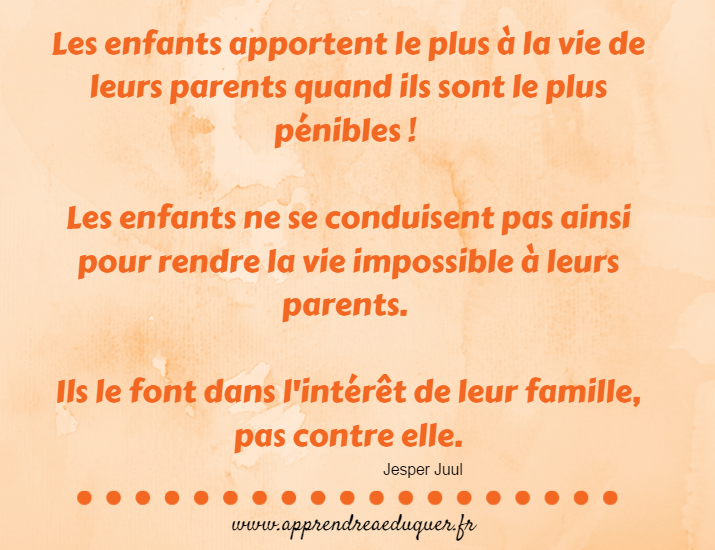
Accepting what your children are means refusing to project your own needs and insecurities onto them. You do not possess them; you accompany them. That shift is easier to hold when you remember that children improve lives rather than arriving to complete a plan you wrote for them.
Acceptance has practical edges. Notice when you praise a talent only because it flatters you, or when your welcome depends on a preference or a character trait. Aim for a welcome that stays steady whatever your child brings to the table, including the messy parts.
This also helps when things go wrong. Learning dealing with disappointment is part of childhood, and your calm acceptance is what makes it survivable rather than shameful. The same steady welcome matters from the very start, whether you are preparing to get pregnant or making a diaper cake for a baby shower.
Grow love in four directions
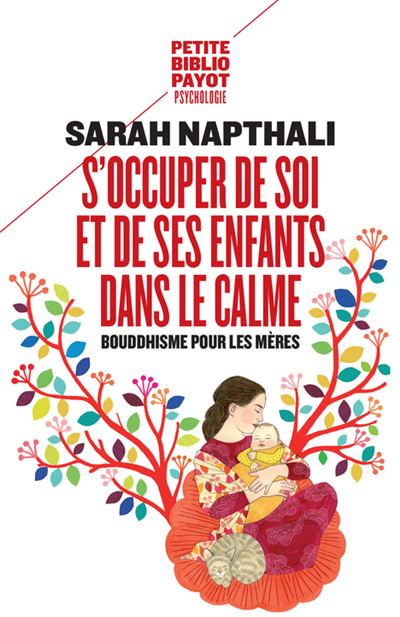
Love is often described as having four elements, and each one can be practised at home. The first is kindness: take a moment now and then to notice how much love you actually spread around you. Absorbed in our own thoughts, we miss the small chances for kindness available every day, and we all have the power to honour another person's dignity. These apps for busy parents can help you find those small moments.
The second is compassion, the impulse to relieve someone else's pain. It closes the moment you decide a hurt is disproportionate or negligible, so try to take your child's distress at face value. The third is sympathetic joy: imagine how much happier family life would be if you could share in every joy your child experiences, without comparing it to anyone else's.
The fourth is equanimity, seeing all of life with acceptance and patience and treating every person as equally precious. Without it, kindness waits for appreciation in return, compassion only appears when the pain will not overwhelm you, and joy turns into rivalry. Patience matters at the table too, as this piece on eating with the TV shows.

Make it visible day to day
None of this stays abstract for long. A message of love is carried by small routines: a warm greeting in the morning, a few minutes of unhurried attention, a repair after you snap. These are the moments children remember, more than any speech about values.
You can also make family life easier to enjoy by planning the boring parts. A simple weekly rhythm for meals, homework and rest prevents the rushed evenings that turn into reproaches, and a few homework and rest habits go a long way during holidays.
Finally, watch your own state. A parent running on empty has less patience for acceptance, so treat your own rest as part of the message you send. The calmer you are, the more clearly your child hears what you actually mean.
My hands-on take
I tried the "protection, not control" idea on an ordinary Tuesday, when my child wanted to rearrange their room in a way I found chaotic. My first instinct was to correct it, because the tidy version felt like proof I was doing this right. Instead I asked a question and then said nothing.
What surprised me was how much calmer the evening was. The room stayed odd, but the conversation stayed open, and my child came back later to tell me about something else entirely. I now use a small check before I intervene: is this about their safety, or about my own need to be seen as a good parent? That single question has done more for the atmosphere at home than any long talk about love ever did.
Frequently asked questions
What does a daily message of love actually look like?
It is usually small and repetitive: a warm greeting, unhurried attention, a calm repair after a conflict. The consistency matters more than the size of the gesture.
Does accepting my child mean accepting every behaviour?
No. Acceptance concerns who your child is, not every action. You can set limits on behaviour while keeping your welcome and affection unconditional.
Why is control described as the opposite of love here?
Control treats a child as property whose behaviour decides your happiness. Love wishes them to be happy and encourages them to be themselves.
How do I notice attachment in myself?
Watch for ownership language, a wish for conformity, or pride that rises and falls with your child's performance. Those are useful signals, not reasons for guilt.
Product Reviews
 Best Toys for Dogs With High Prey Drive |
Best Outdoor Toys for 3-4 Year Olds |
Best Outdoor Toys for 6 Year Olds |
Best Harness for Poodle |
Best LEGO Sets for Adults |
Best Travel Toys for 4 Year Olds on Airplane |
Best Toy Stores in Washington DC |
Best Potty Training Toys |
Best Toys for Tripod Dogs |
Maillot equipe de france







