


Code Names Images is a team party game in which one player gives a single-word clue and a number to guide teammates toward the right pictures, and it rewards careful thinking over quick guessing.
It works well with a mixed group of adults and older children, and it asks every player to associate ideas and plan a step ahead, whether they are giving clues or guessing.

This guide explains how the game works, why the pictures are deliberately ambiguous, and how to get the most from it at your own table.
Quick takeaways
- Code Names Images is a two-team party game for two to eight players.
- Twenty picture cards sit in a four-by-five grid, with a secret guide card for clue-givers.
- Each clue is one word plus a number, so precision and breadth both matter.
- Ambiguous images create traps that make every round strategic.
- A black card means instant defeat, so avoid it at all costs.
- Best for teens and adults; children from eight or nine can guess.
How Code Names Images Works
The game is played in two opposing teams, and it works with anywhere from two to eight players. In each team, one person acts as the clue-giver, while the rest are guessers who must agree on an answer together.
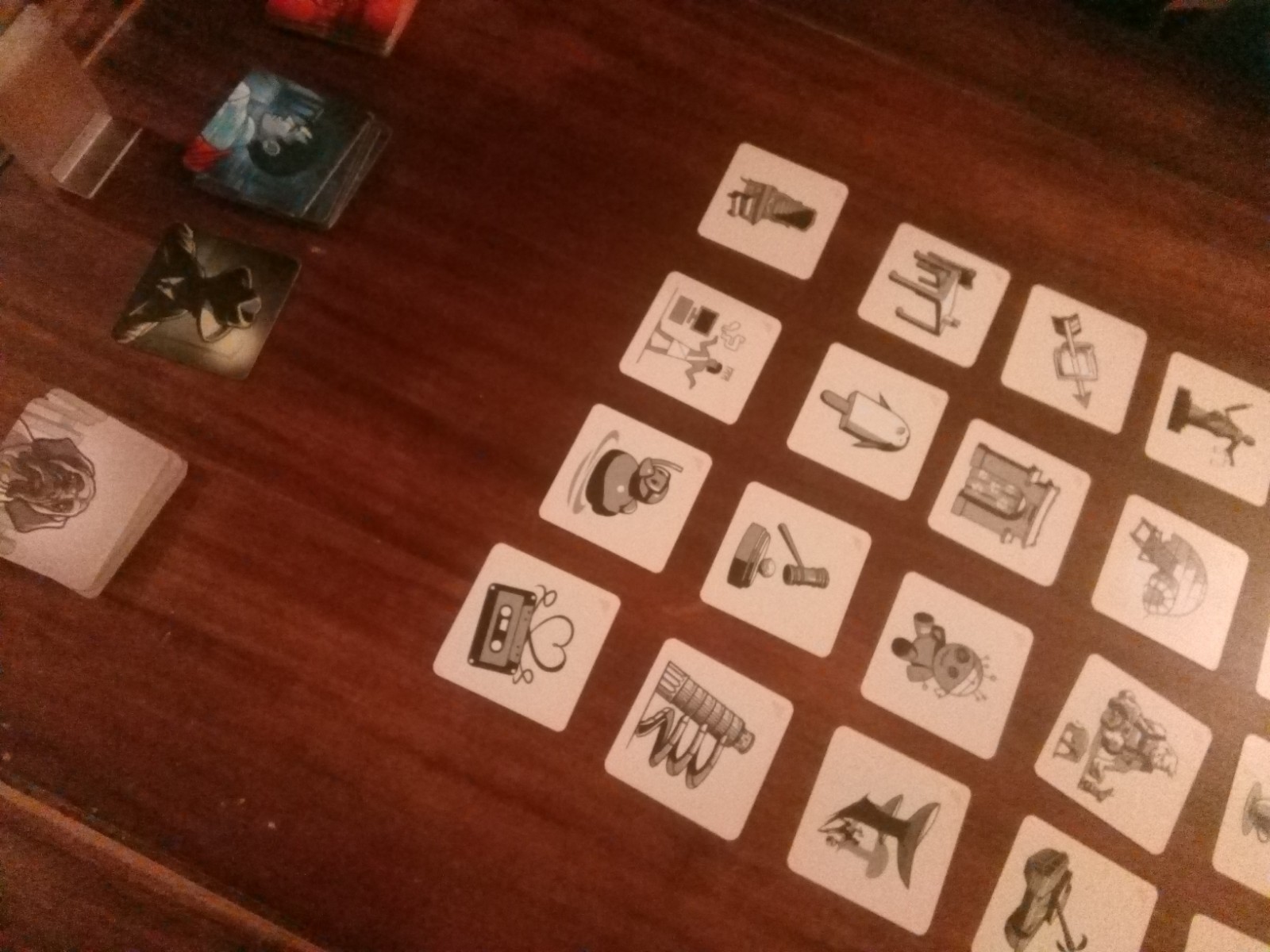
Twenty cards with illustrations are laid out in a rectangle of four by five. A guide card is visible only to the two clue-givers, and it shows by colour code which spaces belong to which team, red against blue. If you enjoy games that reward this kind of quiet mental agility, you may also like the Montessori toys that build matching and sorting skills in younger children.
The clue-giver must lead teammates to the team's own cards using just two things: one word and one number. That single word can never be a sentence, and the number tells the team how many pictures it applies to.

Why the Pictures Make It Strategic
The illustrations are deliberately ambiguous, so the same word can describe both blue and red cards. The challenge is to find a term precise enough to avoid the opposing team's pictures, yet broad enough to cover at least two of your own.
When the guessers agree, they show their choices to the clue-giver, who covers the correct cards with a tile in the team's colour. The aim is to reveal all of your team's spaces before the other team does.
There is also a black card to avoid at all costs, because touching it means losing on the spot. That single rule keeps every clue tense, and it is a good reminder of why how children understand abstract hints develops gradually with age. For a playful break, try homemade Christmas sweets or browse the best outdoor toys for toddlers.
| Role | Main job | Key skill needed |
|---|---|---|
| Clue-giver | Give one word and a number | Mental agility and planning |
| Guesser | Agree on pictures as a team | Discussion and association |
| Younger player | Guess with support | Listening and vocabulary |
| Whole team | Reveal all own cards first | Coordination and timing |
A Real Example of a Tricky Clue
One memorable round involved a clue-giver who wanted her team to find two cards at once: a voodoo doll and an alarm clock. She chose the word "needles: 2", playing on the different meanings of the word.
The problem was that a wasp also appeared among the pictures, so her team went for the doll and the wasp instead of the clock. The designers slipped plenty of these traps into the deck on purpose, which is exactly what makes the game feel strategic rather than random.
It is the kind of playful wordplay that keeps a table laughing, much like the humour in mom and dad jokes that children enjoy repeating.

Who Should Play and What Age Suits It
This party game is aimed mainly at teenagers and adults, though children can join from around eight or nine. In our group, a nine-year-old played as a guesser but never as a clue-giver.
Giving clues demands real mental agility, because you must track the guide card's layout while finding a word that fits your own pictures without misleading the team toward the enemy's. Younger players often need a few rounds of guessing before they are ready to lead.
If you are planning a family gathering around a table, the same patience helps with eating out with little ones, where a calm, prepared setup makes all the difference.
Playing It Well: Practical Tips
Start younger players as guessers and let them watch how adults build a clue. Encourage the team to discuss options aloud before committing, since consensus is part of the fun and prevents one voice from dominating.
Keep the guide card angled away from guessers, and remind everyone that a clue is one word only, never a phrase. For a change of pace between rounds, a quick physical game can reset energy, much like the outdoor toys that get children moving after long sitting.
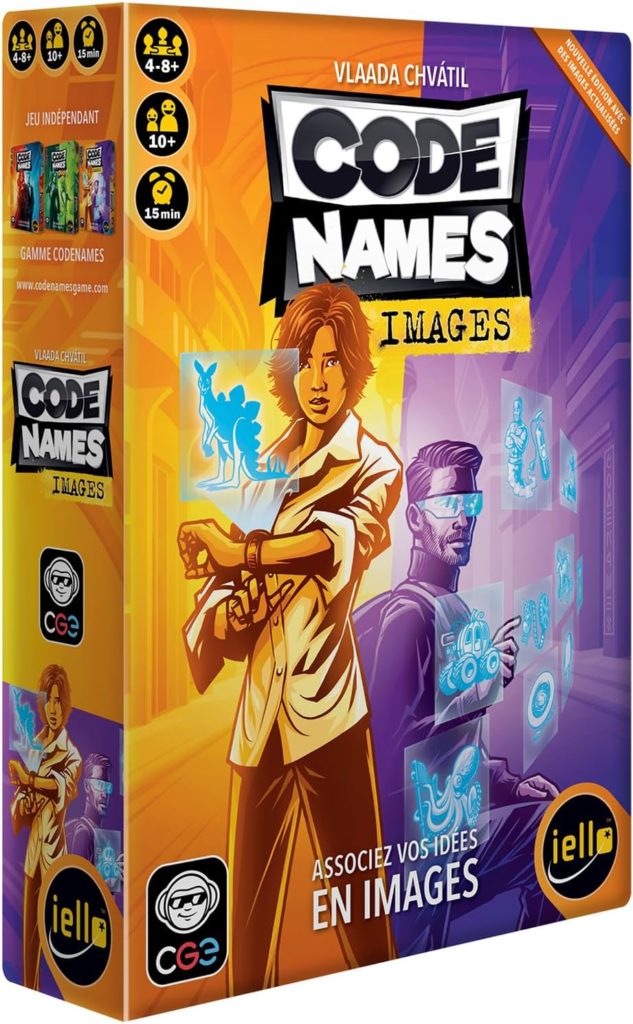
The game was awarded an As d'Or in Cannes in 2017, and it is available in board-game libraries, cultural centres and online shops. If you are building a wider collection for mixed ages, browse ideas for non-toxic teething toys for the youngest family members while the older ones play. For car-obsessed kids, see our best toys who love cars, and for little ones just starting to talk, read how they learn step by step.

My hands-on take
I first played this over a wet weekend in a rented house, with eleven of us crowded around the table, four of them children. My nine-year-old guessed alongside the adults and loved the puzzle of it, though she was happy to leave the clue-giving to others.
What struck me was how quiet the room went when a clue-giver was thinking, then how loud it got when the team argued over two possible pictures. If you are introducing it to a mixed group, I would suggest starting with a practice round and letting the youngest players guess first.
Frequently asked questions
What age is Code Names Images suitable for?
It is aimed mainly at teenagers and adults, but children can join from around eight or nine. Younger players usually do best as guessers before trying to give clues.
How many people can play?
It is played in two opposing teams and works with two to eight players. Each team has one clue-giver and one or more guessers.
What happens if a team picks the black card?
The team loses immediately. That is why clue-givers must choose words carefully to steer teammates away from it.
Is it a good game for a rainy day?
Yes, it suits long indoor afternoons with a mixed group. It rewards thinking and discussion rather than speed, so it works well across ages.
Product Reviews
 Best Toys for Dogs With High Prey Drive |
Best Outdoor Toys for 3-4 Year Olds |
Best Outdoor Toys for 6 Year Olds |
Best Harness for Poodle |
Best LEGO Sets for Adults |
Best Travel Toys for 4 Year Olds on Airplane |
Best Toy Stores in Washington DC |
Best Potty Training Toys |
Best Toys for Tripod Dogs |
Maillot equipe de france







