


Respecting children is not a vague ideal reserved for special occasions; it is built every day in the small ways adults handle a child's body, belongings, space, feelings and time. Bringing children to respect others, and themselves, passes through the necessary respect adults show for their personal limits.
As the writer Alfie Kohn reminds us, we cannot always assume that our maturity gives us a better knowledge of our children than they have of themselves. That single idea reframes discipline: before correcting a child, it is worth asking whether we are honouring the boundary they are signalling.

Quick takeaways
- Ask before touching, hugging or tickling a child.
- Never force greetings, kisses or sharing; offer alternatives.
- Knock and protect diaries, messages and private corners.
- Name and accept emotions instead of dismissing fears.
- Warn before transitions and protect free, unhurried time.
- Firm limits and respect can coexist; explain and acknowledge.
Respecting physical boundaries
Respect a child's "no" and "stop" the first time they say it. Ask permission before touching: "Can I give you a hug? Would a hug help? Would you be comfortable with a massage?" These small questions teach that consent matters and that their body belongs to them.
Never force a child to say hello with a kiss. A smile, a word or a handshake are all valid greetings. Never force a hug or a tickle session either. As Lawrence Cohen notes, tickles can be fun, but they sometimes leave a child feeling at the mercy of another person and losing control.
Why this matters
When adults honour a child's physical limits, children learn to recognise and voice discomfort early. This is the same self-respect we hope to see later in friendships, at school and in psychomotor skills play, where a child's comfort with their own body shapes how confidently they move and join in.
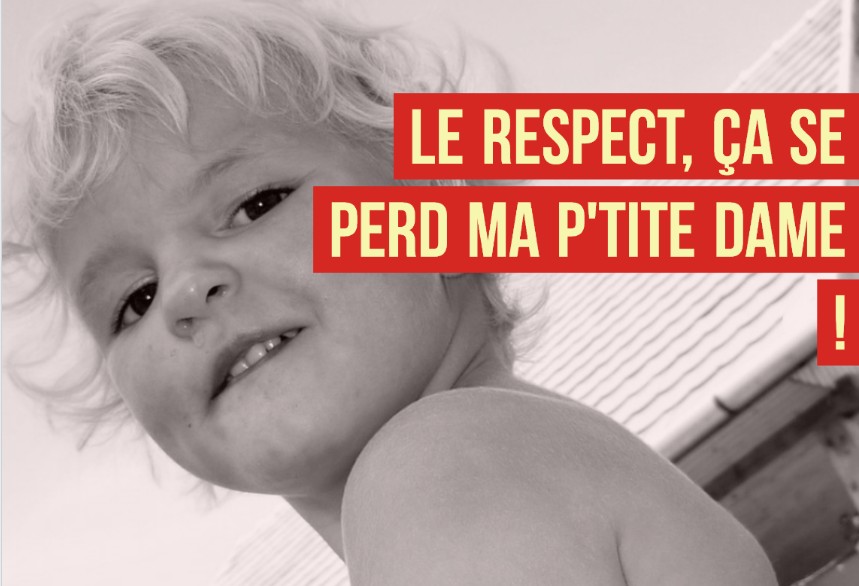
Respecting personal belongings and budget
Ask permission before borrowing a child's things, including before lending their toys to a younger sibling or another child. Rather than forcing a child to share, invite them to share only when they genuinely want to. As Faber and Mazlish observe, forcing children to share only pushes them to cling harder to their possessions; forced sharing undermines any tendency to give willingly.
Respect a child's negative answer when they do not wish to lend or share. Janusz Korczak pointed out that a beggar manages his alms as he pleases, while a child owns nothing and must account for every object received. What adults dismiss as junk, a piece of string, a small box, a bead necklace, are often the child's only real wealth.
This same logic applies to the practical side of family life, from choosing birthday gift toys a child will actually treasure to the small everyday items they claim as their own. Just as comfortable summer sandals must fit a child's own feet, belongings should be respected as truly theirs. Honouring ownership builds a sense of security that makes generosity possible later, a lesson that echoes a father's early role in modelling respect.

| Area | Adult habit to build | What the child learns |
|---|---|---|
| Body | Ask before touch | Consent and body ownership |
| Belongings | Ask before lending | Security and willing generosity |
| Space | Knock and don't read | Trust and privacy |
| Emotions | Name the feeling | Feelings are valid |
| Time | Warn before changes | Their pace matters |
Respecting their living space and privacy
Knock before entering a child's bedroom, even when the door is open. Respect their intimacy, and resist the temptation to read their letters, emails, diary or notes exchanged with friends. A closed notebook is a boundary, not a challenge to adult authority.
Privacy is where trust is stored. A child who knows their corner of the home is genuinely theirs is far more likely to talk openly when something worries them. If you are preparing a shared space or a nursery for a new arrival, the same principle applies: give each child a zone they control, however small.
This is also why a box of play can matter so much to a child: a simple container becomes a private world they organise on their own terms, and adults who respect that world reinforce the message that their choices count.

Respecting their emotions
Accept and name children's emotions: "I can see that scares you." Do not mock their fears, and do not deny or minimise feelings with phrases like "no, that isn't scary." Recognition is not agreement; it simply tells a child their inner life is real.
Korczak described children's tears of stubbornness and tantrum as tears of powerlessness and revolt, a desperate attempt to protest, a call for help, a complaint about neglect, a sign of discomfort and always the mark of suffering. Seen this way, a meltdown is communication, not manipulation.
Naming feelings also supports the body. A child who is helped to notice tension, tiredness or worry learns to care for themselves, much as we attend to physical health, from avoiding cystitis during pregnancy to everyday rest. The same attentive care guides how we choose a trusted gynecologist and how we pick science toys that match a child's interests. Emotional respect is preventive care for the whole person.

Respecting personal time
Prepare transitions and warn ahead before a departure or a change. Give a child time to get ready, to learn, to dream, to be bored and to play freely. Respect the pace that suits each child, because their own rhythm is not a delay to be corrected.
Korczak insisted that a child does not feel they are wasting time when listening to or reading a story. When a child talks to the dog, plays ball, examines a picture closely or writes a letter, they are doing these things as honestly as anyone can. The present is never immature.
Protecting that time is a form of respect that carries into daily routines and outings. Whether you are planning travel toys a long flight or simply a quiet afternoon, leaving room for a child's own pace turns a rushed schedule into a manageable one.

Respecting the whole child
These six areas connect. A child whose body, belongings, space, emotions and time are respected learns what respect feels like from the inside, and that felt knowledge is what they later extend to others. Adults do not need perfect maturity to offer it; they need attention and a willingness to pause.
None of this means abandoning guidance. It means guiding without overriding. When a limit is genuinely necessary, explain it, hold it calmly, and acknowledge the child's disappointment. That combination, firmness with respect, is what makes the lesson stick.
Even ordinary planning can reflect this outlook, from choosing toys for babies that match a child's real stage to preparing a sibling for a new arrival. Respect is less a technique than a habit of noticing the person in front of you.

My hands-on take
I learned the body-boundary lesson the hard way. For years I insisted my child kiss every relative at family gatherings, certain it was polite. One evening she pulled away and said, "I don't want to." I felt a flash of embarrassment, then realised she was right. We agreed on a smile and a wave instead, and the tension around greetings disappeared almost overnight.
The belongings rule took longer. I used to hand her toys to visiting cousins without asking, and the meltdowns that followed puzzled me until I understood she had no say over her own things. Now I ask first, and something surprising happened: she started offering to share on her own. Respecting her limits did not make her selfish; it made her secure enough to give.
Frequently asked questions
Does respecting a child mean never saying no?
No. Respect means holding limits without overriding the child's person. You can refuse a request firmly, explain why, and still acknowledge their disappointment. Firmness and respect are compatible.
What if my child refuses to greet a relative?
Offer alternatives such as a smile, a word or a handshake, and let the child choose. Forcing a kiss teaches that their body is not fully theirs, which undermines the very respect you want to build.
Should I force my child to share?
Forcing sharing tends to make children cling harder to their belongings. Invite sharing when they want to, and respect a no. Security of ownership is what makes genuine generosity possible later.
How do I handle big emotional outbursts?
Stay calm and name what you see rather than denying the feeling. Tears often signal powerlessness or a call for help. Once the emotion settles, you can address the behaviour together.
Product Reviews
 Best Toys for Dogs With High Prey Drive |
Best Outdoor Toys for 3-4 Year Olds |
Best Outdoor Toys for 6 Year Olds |
Best Harness for Poodle |
Best LEGO Sets for Adults |
Best Travel Toys for 4 Year Olds on Airplane |
Best Toy Stores in Washington DC |
Best Potty Training Toys |
Best Toys for Tripod Dogs |
Maillot equipe de france







