


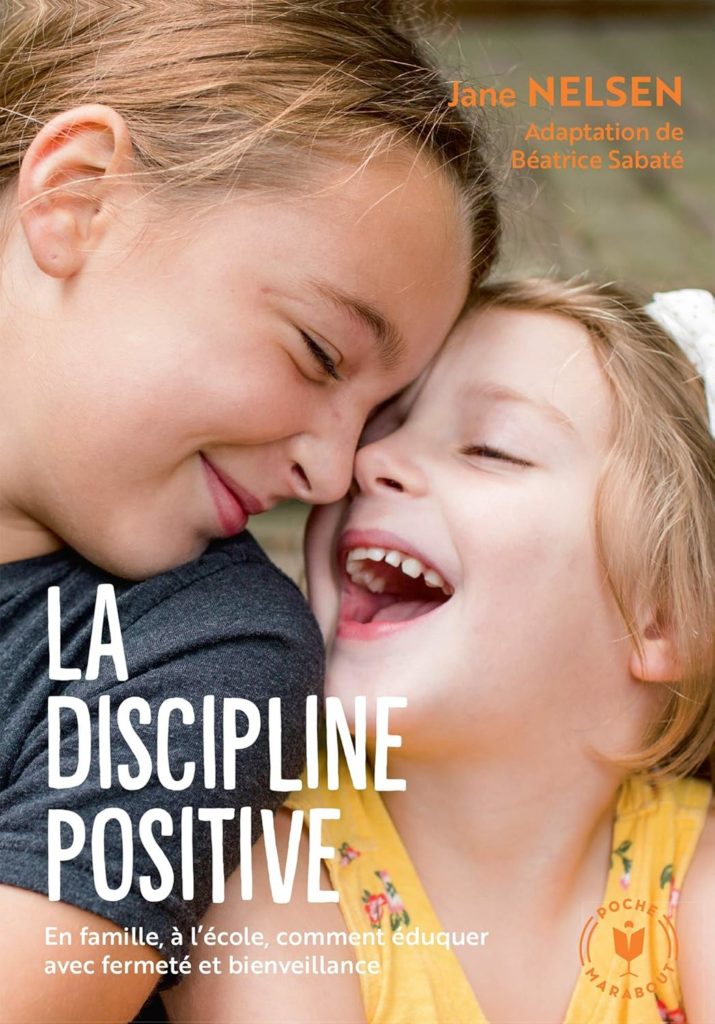
The choice wheel for conflicts is a positive discipline tool you can use at school and at home to help groups of children solve the problems they run into together. In her book Positive Discipline, Jane Nelsen describes a tool she calls the "choice wheel," which presents different solutions for a problem within a group in a playful, simple way.
It works for siblings, a whole class, or a group of children at an after-school club. The choice wheel is a visual support, and the peaceful strategies on it can vary with the context, such as the children's ages or where it is used. The tool is only truly relevant when the children are involved in building it.

Quick takeaways
- A choice wheel is a visual positive discipline tool for resolving group conflicts.
- It works for siblings, classrooms, and after-school groups.
- Children must be involved in building the wheel for it to be effective.
- Include peaceful options such as positive requests, restorative circles, and naming needs.
- Display the wheel somewhere visible and invite children to use it when needed.
- Personalizing and decorating the wheel builds children's ownership of the tool.
What Is a Choice Wheel and Why Does It Work?
A choice wheel is a simple visual display that gathers several peaceful solutions to a conflict in one place. When children are upset, they often cannot think of options on their own, so a wheel they helped create gives them a concrete place to start. Nelsen explains that some parents and teachers choose to build their own wheel with their children or pupils rather than using a ready-made one.
Because each child can personalize the tool by decorating or coloring it, the wheel becomes something they feel ownership over. One teacher asked her pupils to pick their four favorite solutions, then placed a personalized choice wheel on every desk. That small step turns an abstract rule into a personal reference children can reach for whenever a disagreement starts.
Why involvement matters
Children are far more likely to use a tool they helped design. Building the wheel together also opens a conversation about what fairness and repair actually look like in their group, which is where much of the learning happens.

Examples of Solutions to Put on the Wheel
The exact strategies depend on the group, but a few solid options work well as a starting point. Children can learn to make a request in positive language, naming what they want instead of what they do not want. They can also propose a restorative circle, where everyone gets a turn to speak and listen.
Another strong option is simply asking the other person what their needs are, which shifts the focus from blame to understanding. You could add more ideas, such as formulating a clear message or restoring the connection by telling the other child what you appreciate about them, why you value their friendship, or why you enjoy spending time together. For everyday friction like recurring hair problems, a calm, clear message works especially well.
If you are looking for calm activities to balance the emotional work, a set of bath toys can make evening routines feel lighter, and quiet play with toys for babies supports the same soothing rhythm for younger siblings. The key is that every option on the wheel is peaceful and doable for the age group, much like the reassurance needed when he travels without parents.

| Solution | Best for | What the child says or does |
|---|---|---|
| Positive request | Toy or turn disputes | Names what they want, not what they dislike |
| Restorative circle | Group or class conflicts | Takes a turn to speak and listen |
| Asking about needs | Repeated misunderstandings | Asks the other child what they need |
| Clear message | Everyday friction | States the problem calmly and directly |
| Restoring connection | Hurt feelings between friends | Names what they value about the other child |
How to Build a Wheel That Fits Your Group
For the best results, build a wheel that belongs to each specific group, based on their own ideas and suggestions, whether that is a classroom, a home, a community center, or anywhere else. Start by asking the children which solutions they think would actually help, then narrow the list to a handful that everyone understands.
Once the wheel is finished, display it somewhere visible and invite the children to turn to it whenever they feel the need. A wall at child height, a classroom door, or the fridge all work well because the tool has to be easy to reach in the middle of a tense moment. Revisit it now and then so it stays current as the group grows.
Older children often enjoy the design side, and a shared project such as a LEGO timeline display can inspire them to plan and collaborate before you even start on the wheel itself. Keep the wording short and positive so a frustrated child can read it at a glance.

Using the Wheel at Home and at School
At home, the wheel is especially useful for sibling disputes over toys, turns, or space. Rather than stepping in as judge every time, you can point to the wheel and ask which solution they want to try. This keeps you out of the middle and hands the problem back to the children in a manageable form.
At school, the wheel supports a calm classroom climate and pairs well with clear routines. Teachers who already set boundaries around attention and behavior, such as the debate around mobile phones schools, tend to find that a visual conflict tool fits naturally into that structure. The wheel does not replace adult guidance; it gives children a first step they can take themselves.
Modeling the process
Adults should use the wheel too. Naming your own choice out loud, such as "I am going to ask what you need," shows children that the strategies are for everyone, not just for them.

Making the Wheel Part of Everyday Family Life
A choice wheel works best when it is woven into the ordinary rhythm of family life rather than pulled out only in a crisis. Mention it during calm moments, practice the phrases together, and let children rehearse what they might say. That rehearsal makes the real moment far easier.
Family outings and shared routines offer plenty of low-stakes chances to practice. A simple toys for car setup can keep a long drive peaceful, and planning family car routes together gives children a say in decisions, which builds the same negotiation skills the wheel teaches. Even small choices, like who sits where, become practice for bigger ones. Hands-on projects, such as submitting a LEGO Ideas project, also let children practice planning and compromise together.
Over time, the wheel becomes less of a prop and more of a shared language. Children start to name their own solutions before you reach for it, which is exactly the goal: a group that can solve its own problems with a little structure and a lot of practice. The same patience pays off when you follow tips to help your child learn.

My hands-on take
I first tried a choice wheel after a stretch of near-daily arguments over the same few toys. Instead of drawing one myself, I sat down with the children and asked which solutions they thought would actually work. Their list was shorter and more practical than mine, and because they had chosen the options, they referred to the wheel far more readily than to any rule I had announced.
What surprised me most was how quickly the wheel moved from being a poster on the wall to being part of how we talk. The children started naming their own solutions before I pointed at anything. It did not end every conflict, but it gave everyone a calmer first step, and that alone changed the tone of our afternoons.
Frequently asked questions
Who created the choice wheel?
The tool comes from Jane Nelsen's book Positive Discipline, where she describes it as a playful way to present solutions for problems within a group. It is used with siblings, classes, and other groups of children.
Can I use a ready-made wheel instead of building one?
You can, but the tool works best when children help create it. Nelsen notes that many parents and teachers build their own wheel with the children, and personalizing it helps children feel ownership.
What ages is the choice wheel suitable for?
The strategies can be adapted to the children's ages and the setting. Younger children benefit from short, simple wording and pictures, while older children can handle more abstract options like restorative circles.
Where should the wheel be displayed?
Put it somewhere visible and easy to reach, such as a wall at child height or the fridge. Invite children to use it whenever they feel the need rather than only during conflicts.
Product Reviews
 Best Toys for Dogs With High Prey Drive |
Best Outdoor Toys for 3-4 Year Olds |
Best Outdoor Toys for 6 Year Olds |
Best Harness for Poodle |
Best LEGO Sets for Adults |
Best Travel Toys for 4 Year Olds on Airplane |
Best Toy Stores in Washington DC |
Best Potty Training Toys |
Best Toys for Tripod Dogs |
Maillot equipe de france







