


Play therapy offers a gentle route to help children regulate aggression, because play lets big feelings come out in a safe, contained way. When a child struggles to manage impulses like hitting, grabbing or shouting, a playful adult can turn that energy into a game rather than a battle.
The idea is not to suppress the emotion but to soften it. By staging a slightly modified version of the aggressive act, the child gets to feel powerful and in control while practising restraint.

Quick takeaways
- Turn aggression into a playful game with clear, silly rules.
- State the rule loosely so the child can test it without fear.
- Overreact with humour, never with real anger or punishment.
- Add small twists so the child practises controlling the gesture.
- Celebrate success and "level up" to keep motivation high.
- Keep the tone warm so the child never feels shamed.
The cushion school game
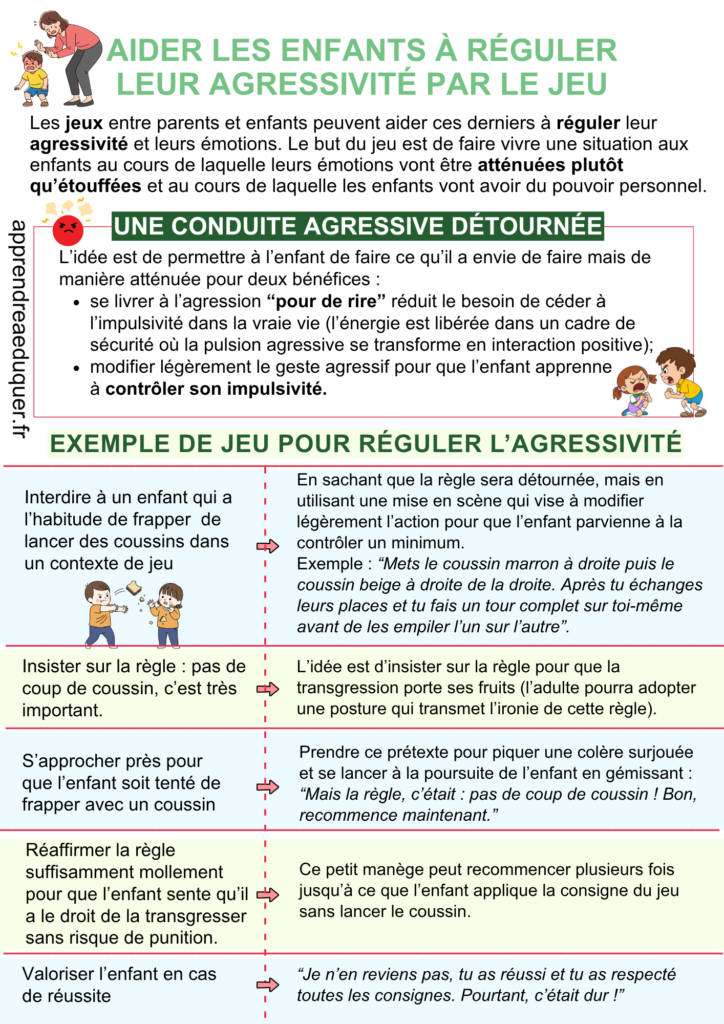
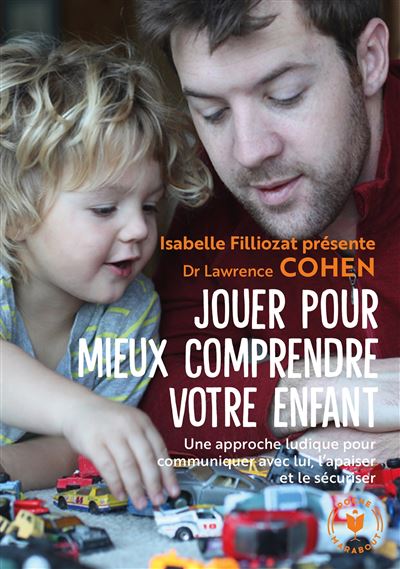
One well-known approach comes from the play therapist Lawrence Cohen, who describes a game built around a child who tends to hit or throw. The adult invents an imaginary "cushion management school" and welcomes the child as a new pupil, shaking hands and speaking very seriously.
This framing lets the child explore themes of school, rules and self-control without pressure. It also borrows the appeal of structured play, much like the games you might find in our guide to sensory toys that keep young children engaged and calm, or the outings in our list of rural houses near Barcelona.
Setting the scene
The adult lays out a first, very important rule: no cushion hits. The rule is stated with a knowing irony so the child senses it can be tested safely. Then come a string of silly instructions, such as moving the brown cushion to the right and the beige one to the right of that, swapping places and spinning around before stacking them.
Letting the rule be broken on purpose
The adult stays close enough that the child will be tempted to throw a cushion, which of course happens. The adult responds with exaggerated, over-the-top outrage and a chase, wailing that the rule was "no cushion hits" before inviting the child to try again.
The rule is asserted loosely enough that the child feels free to break it without fear of punishment. The moment the adult looks away, another cushion flies and the chase resumes. This loop can repeat several times until the child follows the instructions without throwing.
That playful give-and-take mirrors the kind of safe, boundaried fun you can set up at home, similar to the ideas in our roundup of backyard toys toddlers that channel energy into structured activity, or the tips on organizing a Disney party at home. For everyday comfort during active play, see our guide on choosing the best undershirt for children.
| Behaviour | Playful reframe | What the child practises |
|---|---|---|
| Hitting | Cushion school with a "no hits" rule | Testing limits safely |
| Grabbing | Silly swapping and stacking tasks | Following instructions |
| Shouting | Over-the-top chase and mock outrage | Releasing energy |
| Throwing | Throw only while balancing and singing | Coordination and control |
| Impulsivity | Repeat the loop until success | Self-regulation |
Levelling up and rewarding control
When the child succeeds, the adult celebrates and promotes them to the advanced class. Now the child is allowed to throw a cushion, but only on one condition: balancing on the right foot and singing while throwing.
This twist keeps the fun alive while adding a layer of coordination that demands even more self-control. It also echoes the discipline and focus children build through structured physical activity, much like the options in our piece on martial arts children and the ages that suit them.
Why the twist matters
Each new rule slightly reshapes the aggressive gesture, so the child practises controlling it rather than simply releasing it. The adult stays warm and playful throughout, so the child never feels shamed.
Why playful aggression helps
Allowing a child to act out aggression "for fun" reduces the urge to give in to impulses in real life. The energy is released in a safe setting where the aggressive drive becomes a positive interaction rather than a conflict.
Modifying the gesture slightly teaches the child to rein in impulsivity step by step. Parents who want to build a calmer home atmosphere may also find useful perspective in our look at behaviors avoid child that can unintentionally escalate tension.
Play of this kind fits naturally into a child's daily rhythm, much like the soothing routines explored in son brain construction that help growing minds feel secure.

Making it work at home
You do not need special equipment, just a few cushions and a willingness to be silly. Pick a moment when everyone is calm, keep the tone light, and let the child lead the pace. If a child seems overwhelmed, pause and return to it another day.
For families juggling busy schedules, short playful bursts are easier to fit in, and our list of apps moms dads can help you carve out time. Pairing the game with calming sensory play, as suggested in our guide to toys tummy time for younger siblings, keeps the whole household regulated.
Above all, stay consistent and warm. The goal is connection, not correction, and a child who feels safe will gradually learn to manage those big impulses.
My hands-on take
When my own child went through a phase of throwing cushions at everything, I tried turning it into a game instead of a telling-off. I invented a "throwing licence" that only worked while standing on one leg, and the giggles replaced the tension almost instantly.
What struck me was how quickly the mood shifted. Instead of me policing the behaviour, we were both in on the joke, and my child got to feel powerful without anyone getting hurt. It took a few tries to find the right balance of silly and structured, but once we did, those cushion battles became a favourite way to let off steam.
Frequently asked questions
What age is this game suitable for?
It works best with young children who still enjoy pretend play and silly rules. Adapt the instructions to the child's level so the challenge stays fun rather than frustrating.
What if my child gets too rough?
Keep the play contained and stop if someone could get hurt. The point is a safe outlet, so redirect to softer actions and return to the game when things are calm.
Does this replace discipline?
No, it complements everyday boundaries. The game gives children a safe place to rehearse control, while your normal rules still apply in daily life.
How often should we play?
Little and often is better than long sessions. A few minutes when everyone is relaxed can be enough to help a child release tension.
Product Reviews
 Best Toys for Dogs With High Prey Drive |
Best Outdoor Toys for 3-4 Year Olds |
Best Outdoor Toys for 6 Year Olds |
Best Harness for Poodle |
Best LEGO Sets for Adults |
Best Travel Toys for 4 Year Olds on Airplane |
Best Toy Stores in Washington DC |
Best Potty Training Toys |
Best Toys for Tripod Dogs |
Maillot equipe de france







