


Attachment theory describes the bond a baby builds with a caregiver and how that bond shapes later relationships. It began with Bowlby, who argued that a baby seeks its mother not for food but for protection and a feeling of safety.
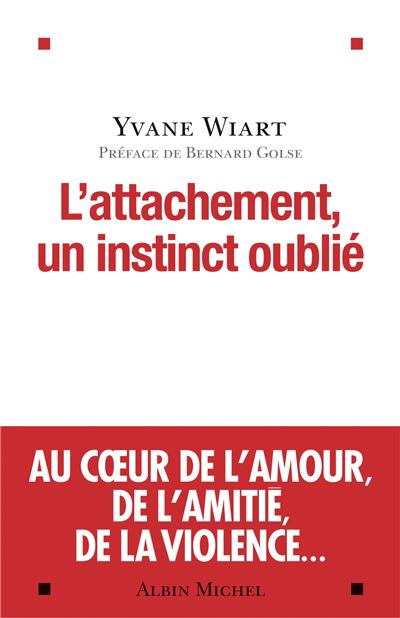
Being attentive to a child's needs does not spoil them, as the researcher Yvane Wiart points out; it does the opposite. This article walks through the strange situation test, the attachment types it revealed, and what each one tends to mean in adulthood.

Quick takeaways
- Bowlby saw attachment as a drive for protection and security, not just feeding.
- The strange situation test measures stress, reunion behaviour and exploration.
- Ainsworth classified babies as secure, insecure ambivalent or insecure avoidant.
- Mary Main later added disorganised attachment, marked by chaotic, strategy-free behaviour.
- Secure attachment is linked to sensitive, consistent and pleasurable caregiving.
- Attachment patterns tend to carry into adult relationships but can change.
The strange situation test and the need for safety
For Bowlby, the English psychologist considered the father of attachment theory, the instinct that drives a baby toward its mother is not the feeding drive Freud called oral. It is an instinct for protection that satisfies a need for security through the relationship with another person, usually the main attachment figure.
The strange situation paradigm measures how a baby reacts to stress. The trigger is a brief separation from the mother combined with meeting an unfamiliar person. Being alone with a stranger sets off attachment behaviour and stops the baby's exploration; the mother's presence or return switches the behaviour off again.
This setup let researchers observe reactions to separation, behaviour at reunion, and how freely the child explores depending on context. It is a reminder that a calm, predictable welcome matters more than a perfect routine, much like the reassurance a newborn needs when adapting to the world, covered in newborn adapt.
How the attachment types were classified
Mary Ainsworth built on Bowlby's work and classified babies into three categories based on how they reacted when the mother returned: insecure ambivalent or anxious, insecure avoidant, and secure.
The key difference is the parent's response. In secure attachment the parent answers the child's signals and needs adequately, so the child does not have to work hard to be heard and loved. In insecure attachment the response is either unsuitable or inconsistent, pushing the child to build coping strategies.
Parents who avoid closeness discourage their child's attempts to come near, while anxious parents discourage exploration. A fourth category, disorganised or disoriented attachment, was later added by Mary Main: the child's behaviour is chaotic, with no recognisable strategy, and specialists speak of "fear without solution".
Understanding these patterns also informs everyday choices, such as screen free toys that support calm, connected play.

| Type | Caregiver response | Child's behaviour |
|---|---|---|
| Secure | Consistent and appropriate | Explores freely, seeks comfort, settles again |
| Insecure ambivalent | Intrusive, success-based | Clings, seeks love through achievement |
| Insecure avoidant | Discourages closeness | Very independent, hides distress |
| Disorganised | Frightening or inconsistent | Chaotic, no clear strategy, fearful |
| Adult echo | Trust and balance | Anxious need for reassurance or avoidant self-reliance |
Secure attachment: a fluid, responsive relationship
Secure attachment is linked to the mother's sensitivity and to the pleasure she takes in caring for her child. The relationship flows, reactions on both sides are consistent and appropriate, and there is no marked independence or dependence.
Babies rated secure at twelve months explore more actively and enthusiastically, and they readily play with the experimenters. They explore happily before the separation, show they miss their mother by crying and calling, actively seek her at her return and want to be held, then settle back into play.
This back-and-forth is the everyday work of parenting, and it shows up in small rituals too. Shared play, a familiar toy at hand or a calm goodbye can all support it, the way a simple keepsake can anchor a family moment such as wedding headdress ideas.
Insecure ambivalent and avoidant patterns
In the ambivalent or anxious pattern, interactions between mother and baby run smoothly but without real emotional sharing. The mother is seen as intrusive: she imposes a lot without regard for the child's wish to do things alone, choose his own games, or simply be left in peace.
This educational drive does not always respect the child's abilities, and the child comes to feel loved only when succeeding. He still looks like a likeable, alert child. In the avoidant pattern, the child controls emotions and is very independent, with few interactions with the mother, especially affectionate ones.
Such a child may even seem livelier with a stranger than with his mother, who often shows more interest in visitors than in her child. When the child signals distress or pain, the mother turns her attention away. Choosing toys that invite calm, independent play, as with toys for one-year-olds, can give a child room to explore without pressure. Even party favor toys can support low-pressure, self-directed play.
What attachment patterns mean in adulthood
The patterns built in childhood tend to carry into adult relationships. A person with a secure history generally finds it easier to trust, to ask for support and to give others space, because closeness never had to be earned or avoided.
An anxious history often shows up as a strong need for reassurance and a fear of being left, while an avoidant history can look like fierce self-reliance and discomfort with emotional demands. These are tendencies, not verdicts, and they can shift with awareness and new relationships.
Parents who want to support security can lean on predictable, warm routines. Reading together, playing on the floor, or a relaxed weekend outing all build the same message of availability, whether that is a trip to one of the best zoos Spain or an afternoon with outdoor toys preschoolers in the garden.
Practical implications for parents
The main lesson for parents is that responsiveness, not perfection, builds security. Answering a baby's signals consistently teaches him that his needs matter, and that he can explore the world knowing someone is there to return to.
It also helps to notice your own patterns. If you tend to push a clingy child away, or to hover when he wants to try alone, that is worth reflecting on gently. A predictable goodbye, a calm return and a bit of patience go a long way.
Play is one of the easiest places to practise this balance. Offering a toy that matches your child's stage, from airplane toys toddlers to a simple Montessori climbing toy, lets him test independence while you stay close and available.

My hands-on take
When my own child started clinging at daycare drop-off, I read about attachment theory hoping for a quick fix. What helped was not a technique but a small ritual: a short, calm goodbye, a promise to come back, and the same words every morning. Within a few weeks the tears got shorter, and he began walking toward the toys on his own.
I also caught myself hovering when he wanted to try something alone, which is exactly the intrusive pattern the theory warns about. Now I try to stay nearby without stepping in, letting him struggle a little with a puzzle or a climbing frame. It is not always easy, but it has made our days calmer and his play more confident.
Frequently asked questions
Can attachment patterns change later in life?
Yes. Attachment styles are tendencies built in childhood, not fixed labels. New relationships, self-awareness and consistent experiences can gradually shift how a person gives and receives closeness.
Does responding to every cry spoil a baby?
No. Being attentive to a child's needs does not make him spoiled; it builds his sense of security. A baby who feels heard learns to explore confidently rather than to cling out of anxiety.
What is disorganised attachment?
It is a fourth category added by Mary Main, where the child shows chaotic, unstable behaviour with no recognisable attachment strategy. Specialists describe it as a fear without solution, often linked to frightening or inconsistent caregiving.
Why does the strange situation test matter for parents?
It shows how a child uses a caregiver as a safe base for exploration. Understanding it helps parents see that calm, predictable reunions and sensitive responses support confidence.
Product Reviews
 Best Toys for Dogs With High Prey Drive |
Best Outdoor Toys for 3-4 Year Olds |
Best Outdoor Toys for 6 Year Olds |
Best Harness for Poodle |
Best LEGO Sets for Adults |
Best Travel Toys for 4 Year Olds on Airplane |
Best Toy Stores in Washington DC |
Best Potty Training Toys |
Best Toys for Tripod Dogs |
Maillot equipe de france







