


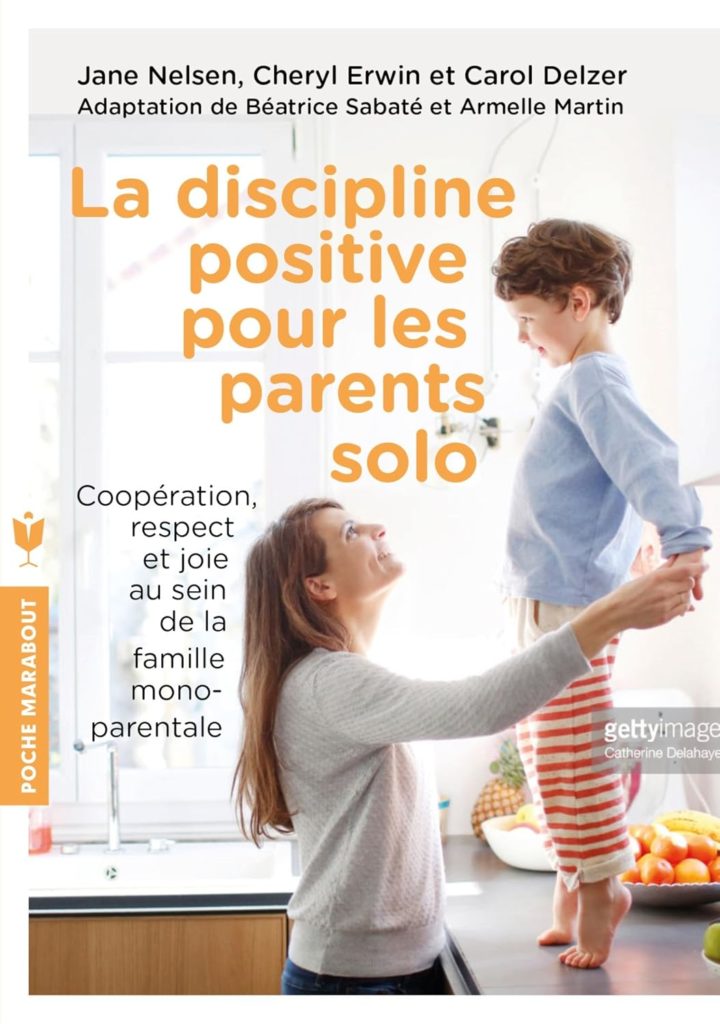
Solo parenting and loneliness often travel together, and many parents who raise children on their own know the weight of quiet evenings and days without another adult to lean on. Jane Nelsen, in her book on positive discipline for solo parents, points out that everyone can feel lonely at times, whether coupled or not, but those moments tend to feel heavier when you are the only adult in the house.
One useful first step is to look at the expectations that do not match reality and quietly limit us, such as believing you are incomplete if you raise your children alone, or that an activity is pointless without company. This article walks through ten practical ways to tame that solitude, step by step.

Quick takeaways
- Examine the expectations that make solitude feel heavier than it needs to.
- Build a small, genuine network through school and your children's friends.
- Keep a wish list and start one item when loneliness strikes.
- Join local associations to feed belonging and usefulness.
- Care for body, heart and mind with free or low-cost routines.
- Ask for professional help when the weight becomes too much.
Build a circle of friends and spend real time with them
Having someone to talk to when you feel low can make all the difference. School gates, parent-teacher groups and the parents of your children's friends are natural places to meet people, provided you allow yourself to reach out and ask. Strong friendships often grow from exactly this kind of everyday contact.
If you are still finding your footing in a new family rhythm, reading about family life stages can help you see that each phase brings its own social openings. Keep the circle small and genuine rather than wide and shallow.
Make a wish list
Write down the things you would like to do, the books you want to read, the projects you would like to start and the associations you might join. When loneliness creeps in, take out the list and pick one item to begin. A list turns a vague longing into a concrete next step.
Join local community life
Taking part in local associations can feel intimidating at first, whether from fear of the unknown or fear of being judged. Yet becoming part of the local fabric feeds three deep needs: feeling useful, belonging, and having a sense of meaning.
Small, regular commitments work better than grand gestures. A weekly volunteering slot or a neighbourhood group gives structure to your week and puts familiar faces around you. Parents of young babies can look for gentle ways to enjoy a newborn while still connecting with other adults nearby. It also helps to understand why we hold babies left when meeting other parents.
Care for yourself without overspending
Taking time to look after yourself is a genuine antidote to loneliness, but money is often tight for solo parents, and a massage or a salon visit can feel like a luxury. Alternatives exist: reduced-price cuts at a hairdressing school, local swapping groups, free leisure such as borrowing a film from the library, or asking for gift vouchers at birthdays and Christmas. Staying alert to online dangers such as the Blue Whale is part of caring for yourself too.

| Need | Simple action | Cost |
|---|---|---|
| Connection | Call one friend each week | Free |
| Belonging | Join a local association | Free to low |
| Pleasure | Borrow a film from the library | Free |
| Self-care | Book a reduced-price haircut at a school | Low |
| Support | See a therapist or parent support group | Varies |
| Recognition | Pause and name what you achieved today | Free |
Learn to savour being on your own
It is tempting to believe things will improve only once you are part of a couple again. Living without a partner's comforting arms can be hard, since touch is a fundamental human need, but no one else can make you happy. Once you find the resources to feel good alone, you are far better placed to build a balanced relationship later.
Learning to appreciate your own company is a skill, and it grows with practice. Some parents find that a creative hobby or a simple evening routine helps them learn from elders and from their own quieter moments.
Congratulate yourself
Nobody knows exactly what you achieved during a day or a week, so self-recognition matters more than waiting for praise from outside. Pause after each task and name it: I did this and this, alone, and I am proud of it. That quiet gratitude feeds self-love far more reliably than external approval.
Ask for help when you need it
When the feeling of isolation becomes too heavy, it can help to see a professional such as a psychologist or therapist, or to join a parenting support association. Many solo parents forget how lonely and unhappy they felt even while in a couple. Talking things through allows you to grieve the relationship and turn that ending into an opportunity once the emotions have been felt and expressed.
If your child needs extra support at school, knowing speech therapist signs early can spare you months of worry and give you one more person in your corner.
Care for body, heart and mind
We are neither simple bodies nor simple minds. When we are vulnerable, we gain a great deal from caring for the body through good food, sleep and physical activity such as walking, for the mind through reading, talks, learning and creating, and for the heart through whatever holds meaning for you.
Use encouraging affirmations
Jane Nelsen offers a set of affirmations that have helped solo parents she has accompanied: expect a miracle; work to progress rather than to reach perfection; I am a person of value; I have the right to be tired; one day at a time, one step after another; this too shall pass; it is good to be learning; I am not a bad parent, I simply lack skills and skills can be acquired; I love the person I am becoming.
Pick two or three that resonate and keep them where you will see them. A note on the bathroom mirror or a line in your phone works better than a long list you never read.
Practise self-empathy when things go wrong
We can learn to draw lessons from our mistakes instead of sinking into self-hatred, which usually spills over onto others. That means learning new ways to communicate and to regard ourselves, guided not by shame and guilt but by a real desire to make life gentler. Nonviolent communication offers practical tools for reconnecting with yourself kindly during difficult moments with the children.
When family life feels chaotic, simple organisation tricks, such as those for twins parenting organization, can free up the mental space you need to stay patient. Small, steady habits, much like the cost of making LEGO sets, add up one piece at a time.
Small habits that keep loneliness in check
Loneliness rarely disappears in one grand gesture; it loosens through small, repeated habits. A weekly phone call, a walk with another parent, a shared meal, a hobby you return to: these ordinary moments build the texture of a supported life. It also helps to plan ahead for the harder stretches, such as school holidays or long weekends, when routines fall away and company is scarcer.
Practical distractions have their place too. Planning a simple family outing, like learning baby bike safety for a first ride, gives everyone something to look forward to. And when the budget is tight, homemade projects such as avocado oil recipe for stretch marks can turn self-care into a shared, low-cost activity rather than an expense.

My hands-on take
I remember the first months after my separation, when the evenings stretched out and the flat felt too quiet once the children were asleep. What helped most was not a big change but a small one: I started saying yes when other parents suggested a coffee after school, even when I felt tired. Those coffees turned into a handful of real friendships, and I learned to ask for help instead of waiting to be noticed.
I also kept a short list on my phone of things I wanted to do, and when loneliness hit I picked the easiest one, usually a library visit or a walk. It did not erase the solitude, but it gave it a shape I could live with.
Frequently asked questions
Is loneliness normal for solo parents?
Yes. Many parents raising children alone experience isolation at some point, and the feeling can be heavier than for parents in couples because there is no other adult at home to share the load. Recognising it as common rather than as a personal failure is a useful first step.
How do I meet other parents?
School gates, parent-teacher groups and the parents of your children's friends are the most natural starting points. The key is allowing yourself to reach out first, since most people are glad to be asked.
When should I seek professional help?
If the feeling of isolation becomes too heavy to carry alone, a psychologist or a parenting support association can help. Talking things through also helps you process the end of a relationship and move forward.
Can I enjoy time alone without feeling guilty?
Yes. Learning to feel good in your own company is a skill, and it makes future relationships more balanced rather than less likely. Start with small pleasures you genuinely enjoy.
Product Reviews
 Best Toys for Dogs With High Prey Drive |
Best Outdoor Toys for 3-4 Year Olds |
Best Outdoor Toys for 6 Year Olds |
Best Harness for Poodle |
Best LEGO Sets for Adults |
Best Travel Toys for 4 Year Olds on Airplane |
Best Toy Stores in Washington DC |
Best Potty Training Toys |
Best Toys for Tripod Dogs |
Maillot equipe de france







