


Imagination as a parenting tool is one of those ideas that sounds lovely in a book and slightly absurd at 7pm when a small child is refusing to leave the shower. Reading about positive discipline is easy; living it with tired children and a dinner going cold is another matter entirely.
Still, the books genuinely help in real, messy moments. One borrowed skill — using imagination to invite cooperation instead of forcing it — recently turned a standoff into a calm evening, and the story is worth sharing.

This is not a script to memorise. It is an example of what happens when you stop pushing and start playing along.
Quick takeaways
- Treat resistance as an invitation to play, not a challenge to win
- Ask what the child’s plan would actually look like
- Add one absurd detail and let the child correct you
- Keep the limit the same; change only the route
- Accept that some evenings play will not work, and that is fine
- Aim for connection over compliance
Why imagination beats a power struggle
When a child digs in, the instinct is to push back harder. But a head-on confrontation usually escalates: you get louder, the child gets stiffer, and nobody moves. Imagination offers a side door. Instead of arguing about whether something will happen, you invite the child to picture what it would actually be like.
This approach comes from the idea that children respond to play far more readily than to commands. It is also a natural fit for parents already thinking about how to handle stubborn children without turning every request into a battle. You are not giving in; you are changing the subject in a way that keeps the connection intact.
The key is genuine curiosity. If you ask a playful question and then wait, the child often does the work for you.
The night my daughter wanted to eat in the shower
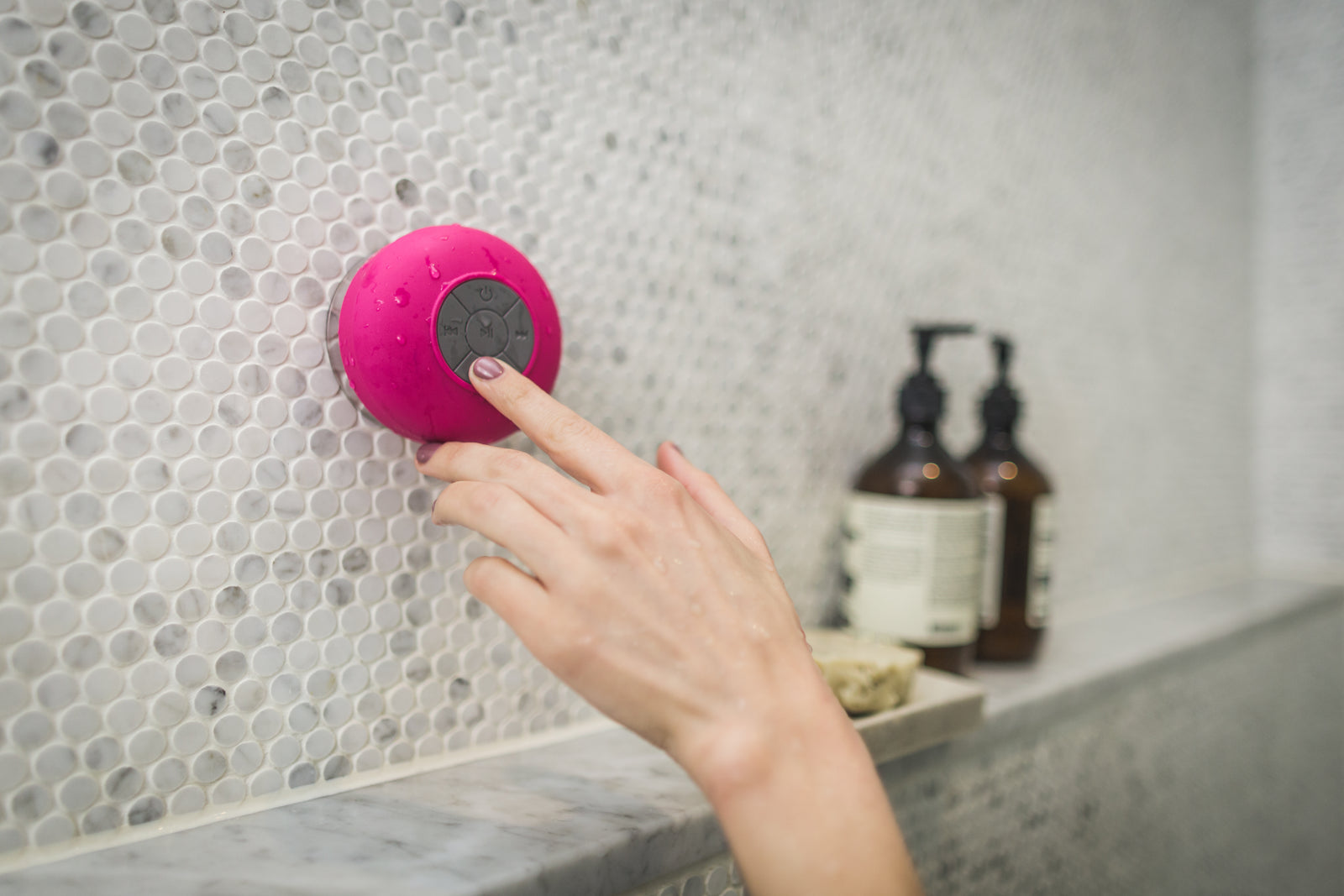
My daughter refused to get out of the shower. When I pointed out that we do not eat in the shower, she looked me straight in the eye and said, “Yes we do.” My first thought was that this was going badly.
Rather than force the issue, I leaned into her idea and asked what it would actually be like. I pictured a table in the shower, cutlery floating and getting seasick. I imagined a plate bobbing on the water, food sliding around, bread turning soggy and unappetising. I suggested we would not even need a glass — we could drink straight from the shower.
That last one got a reaction: she pointed out there is soap in the water and we would have to drink from the shower head instead. A first smile. I asked what else would happen, and she simply said she did not know, but she was hungry — could we eat now? Out she came, no tears, no shouting. Playful detours like this are also handy on the road, where young children get car sick more easily.

| Situation | Playful move | What stays firm |
|---|---|---|
| Refusing to leave the shower | Imagine eating there: floating plates, soggy bread | You still get out |
| Refusing a coat | Ask what a penguin would wear | Coat still goes on |
| Dawdling at dinner | Invent a story about the food | Everyone still sits down |
| Stalling at bedtime | Ask what the toys would dream about | Lights still go off |
| Refusing shoes | Imagine walking in jelly | Shoes still go on |
Small rituals like these can turn everyday friction into connection, and they pair well with places to visit before they grow up.
What to say when you are improvising
You do not need a script, but a few reliable moves help. Ask an open question about the child’s plan: what would that look like, what would happen next? Then add one absurd detail and let it grow. Follow the child’s corrections — those little objections are the sign the game is working.
Timing matters too. This works best when everyone is calm enough to play. On harder evenings, when a child is overtired or two siblings are waiting their turn, the same trick may fall flat, and that is normal. The point is to keep words flowing rather than escalate to physical resistance.
Parents juggling several children at once often find routines collapse under pressure, which is why simple structures help — the kind of everyday guidance found in sitting at the table routines or advice on the two-year revolution can reduce friction before it starts.
Everyday moments where play helps
The shower story is one example, but the same principle applies to shoes, coats, toothbrushes and car seats. A child who refuses to put on a coat can be invited to imagine what would happen if they wore it inside out, or if a penguin came along for the walk. The absurdity is the point.
It also helps to know your child’s current obsessions. A child deep into pretend play will happily negotiate through a favourite character, and a house full of toys offers plenty of material — see these pretend play toys for inspiration. Even a rainy afternoon can become a story rather than a standoff, and if you're juggling kids, the same playful approach works there too.
None of this replaces limits. The limit stays the same; only the route to it changes. You are still getting out of the shower, still putting on the coat, still sitting down to eat. For more imaginative inspiration, see these pregnant Disney princesses.

When imagination is not enough
Honesty matters here. Some evenings there is no time, no patience and no playful energy left, and a firm, calm instruction is the right call. Imagination is a tool, not a moral duty, and no parent manages it every single time.
What the tool does offer is a way back to contact. After a hard moment, a bit of play can repair the mood faster than an apology lecture. If your home feels chaotic and the toys are everywhere, sorting the environment first can make these moments easier — these toy organization are a practical starting point. And when a child seems unwell rather than simply stubborn, it helps to know the signs of childhood encephalitis.
Over time, children learn that words and imagination are how problems get solved, not shouting. That lesson carries well beyond the bathroom door.
My hands-on take
I have tried this on evenings when I was sure it would fail. The first time, I expected my daughter to dig in further, and instead she started correcting my silly ideas — which is exactly when I knew it was working. The trick was not being clever; it was being genuinely interested in what she was imagining.
I have also had evenings where I simply did not have it in me, and I said so and moved on with a calm instruction. That is fine too. What I have noticed is that the more often we solve small things with words and play, the less often we end up shouting about them. It is not a cure for every difficult evening, but it has made our bathroom routine noticeably calmer.
Frequently asked questions
Does this approach mean giving in to my child?
No. The limit stays exactly the same; only the way you get there changes. You are replacing a power struggle with a conversation, not abandoning the rule.
What if my child does not engage with the game?
Then stop and use a calm, firm instruction instead. Play works best when everyone has enough energy for it, and forcing the game defeats the purpose.
Is this only useful for young children?
It works best with toddlers and preschoolers, but the underlying idea — curiosity instead of confrontation — is useful at any age.
How long does it usually take?
Often less time than an argument, because you avoid the physical resistance that follows a shouting match. But there is no set duration; read the moment.
Product Reviews
 Best Toys for Dogs With High Prey Drive |
Best Outdoor Toys for 3-4 Year Olds |
Best Outdoor Toys for 6 Year Olds |
Best Harness for Poodle |
Best LEGO Sets for Adults |
Best Travel Toys for 4 Year Olds on Airplane |
Best Toy Stores in Washington DC |
Best Potty Training Toys |
Best Toys for Tripod Dogs |
Maillot equipe de france







